I don’t tend to offer group tours in August, as I have always struggled to generate enough interest to make them worthwhile. That is not for a lack of birds though and there is always the chance of a Private Tour if anyone is visiting Norfolk and is interested. This August, I have arranged a few of the latter for people, particularly earlier in the month. This blog includes some of the highlights from those and other birds and wildlife we have otherwise encountered out and about.
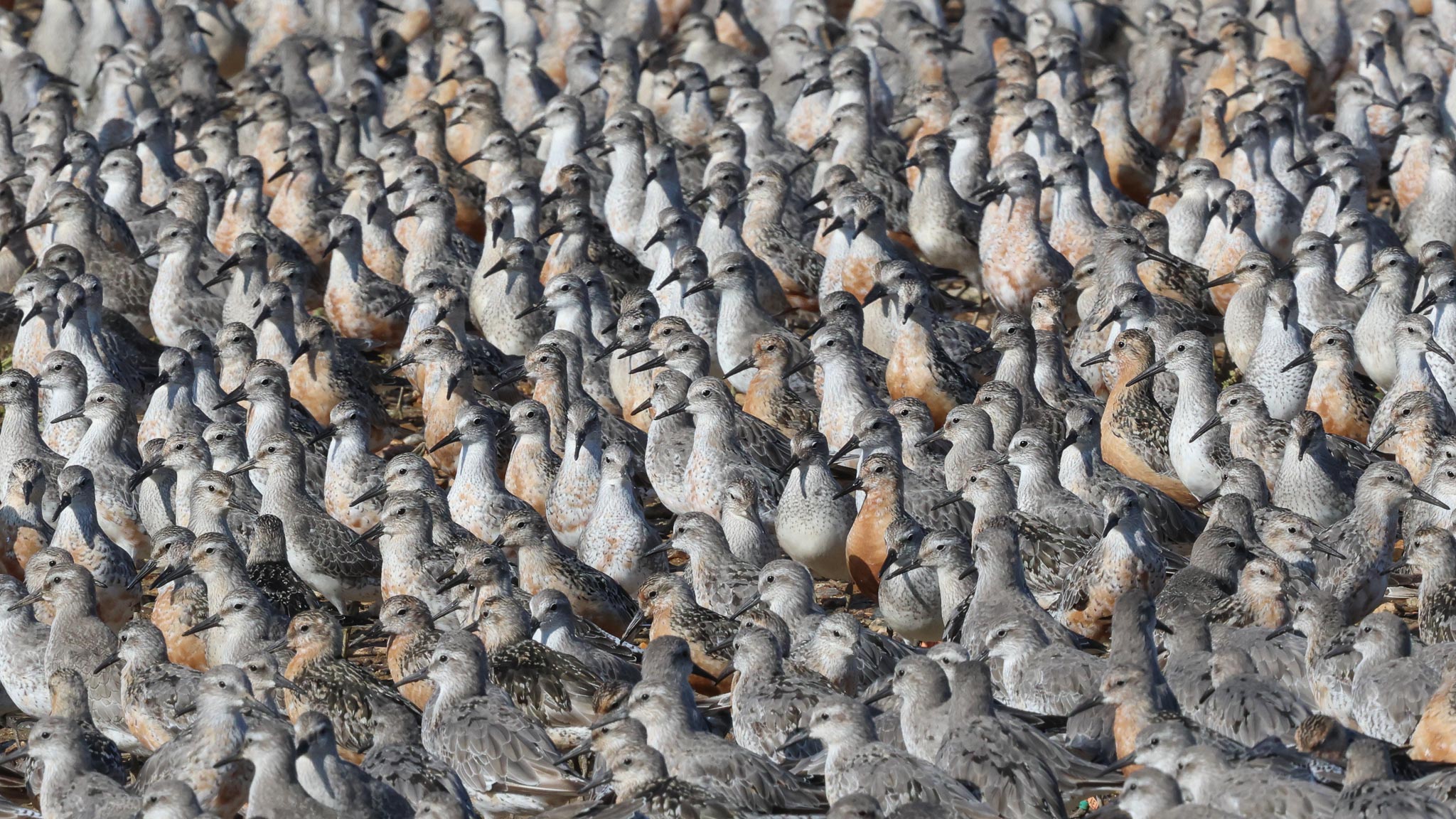
August is one of the best months to watch the whirling flocks of waders up on The Wash. Numbers of Knot start to increase from mid July and significant numbers have already gathered by now. There are not many tides high enough to produce a full Wader Spectacular this year and several of those that are suitable fall in August.
Even on days where the tide is not quite high enough to cover all the mud, there can still be some pretty spectacular gatherings of waders. We made a couple of visits on Private Tours at the start of this month. Normally it is the presence of one of the local Peregrines which gets the flocks flying, twisting and turning, making different shapes in the sky.
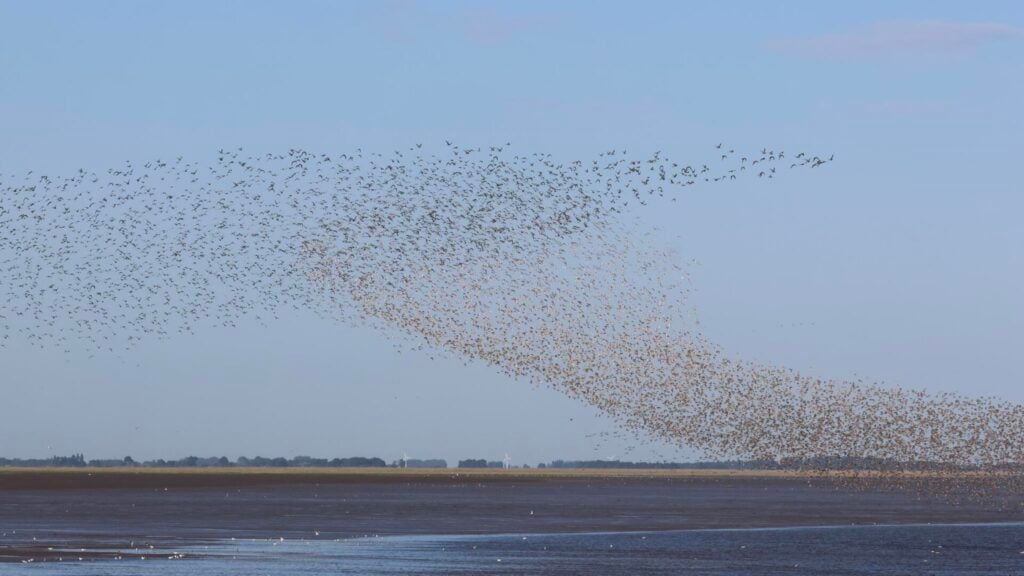
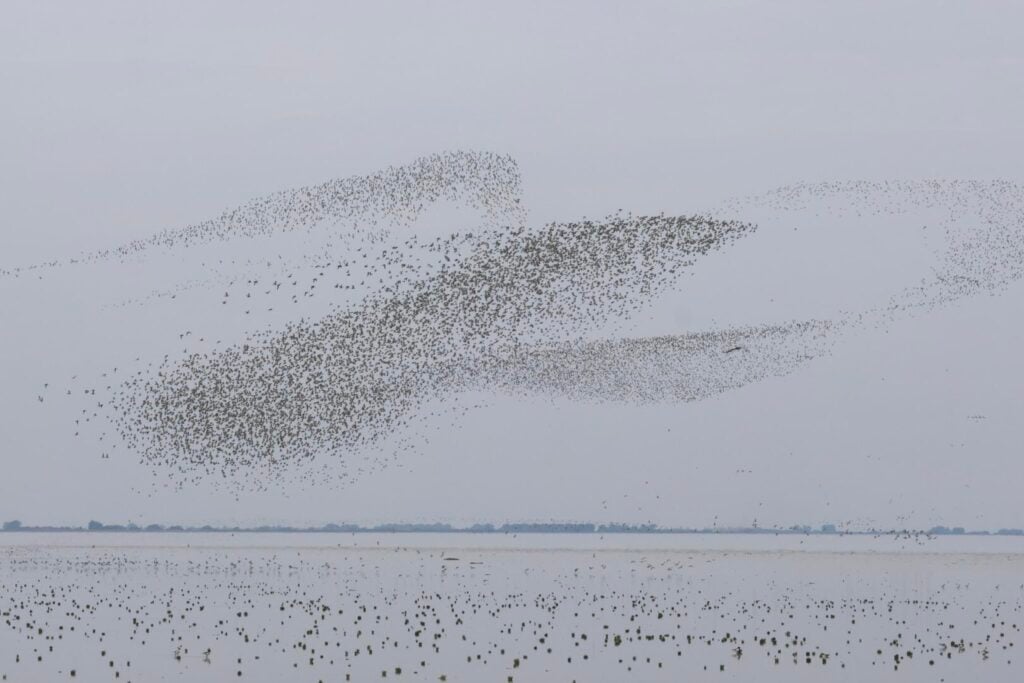
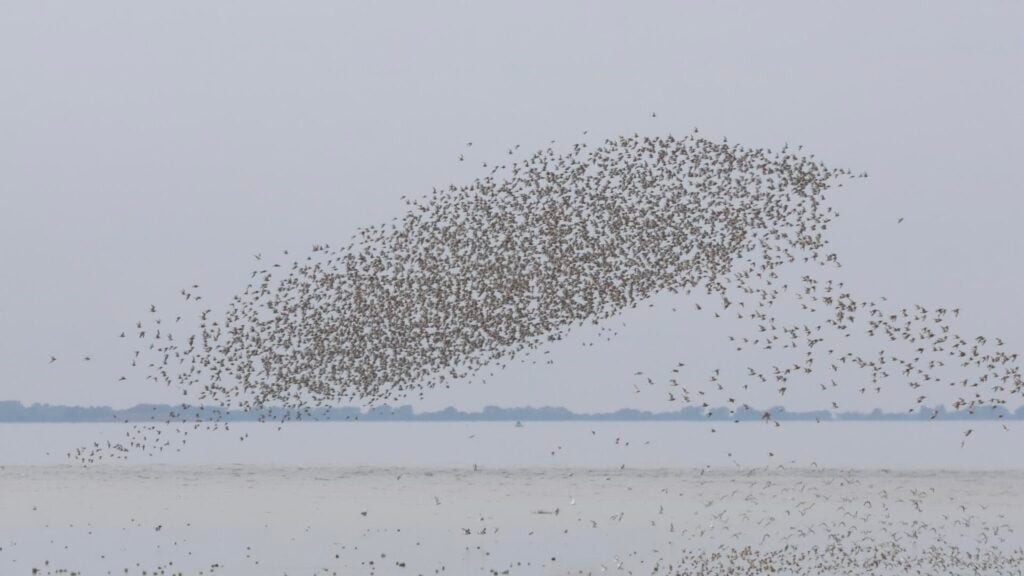
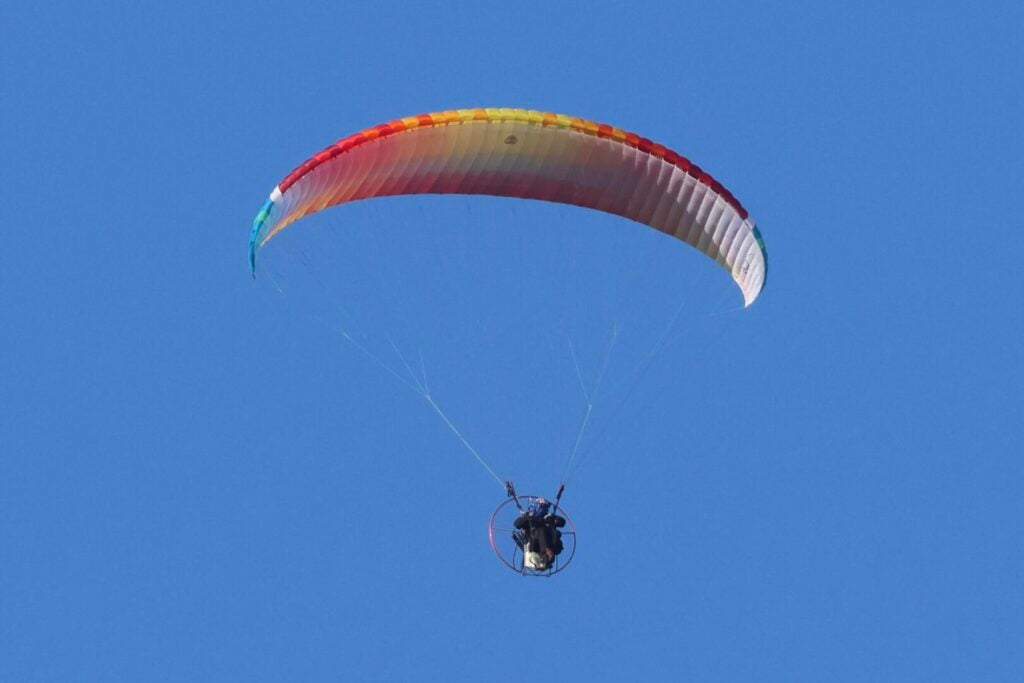
It is not always the Peregrines though. On one day, a Paraglider flew north over the Wash, right over the last corner of mud where the waders were trying to roost. Spectacular for us but this sort of disturbance shouldn’t really be allowed here. Hard to believe the person didn’t know what they were doing. Shortly after, they flew back south over the Pits, flushing all the waders on there too. Irresponsible.
As well as the large numbers of Knot, probably numbering over 50,000 in early August, there are lots of other waders which gather on the Wash to feed and moult at this time of year. Thousands of Oystercatchers and both Bar-tailed and Black-tailed Godwits, lots of Common Redshanks and a small number of Spotted Redshanks. There are quickly moving mixed flocks of smaller Dunlin, Sanderling, Turnstone and Ringed Plover with a few Little Stints and Curlew Sandpipers in with them.
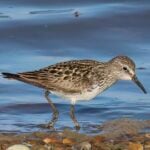
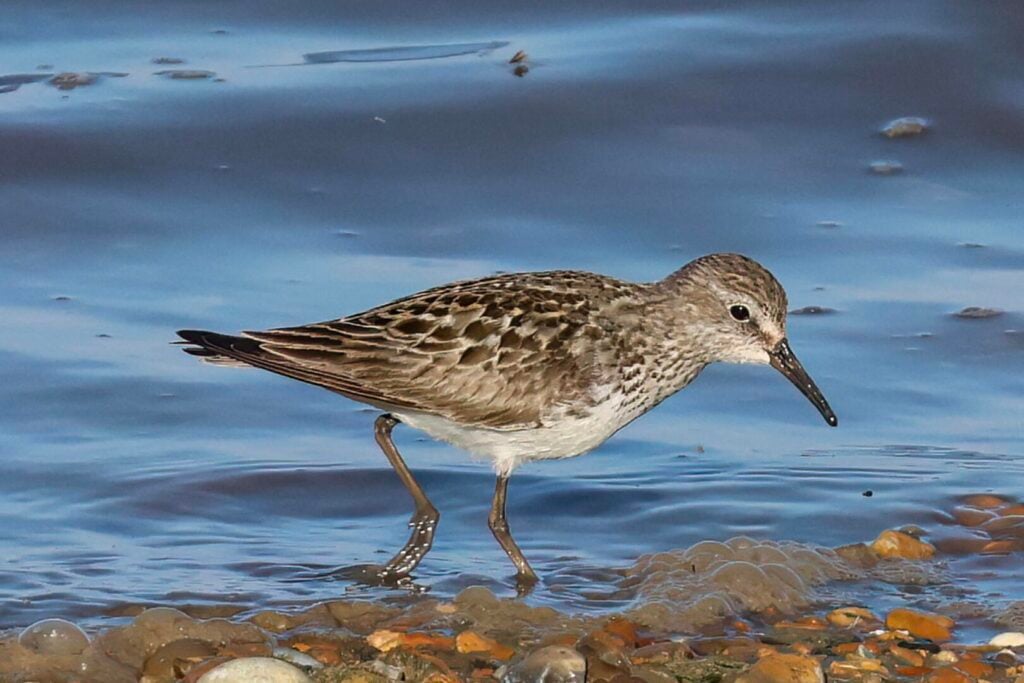
There is often something rarer too. The Wash in late July/early August has to be the most reliable place in the UK to see White-rumped Sandpiper in recent years. One was showing very well, feeding along the shore by the access track on the rising tide this year.
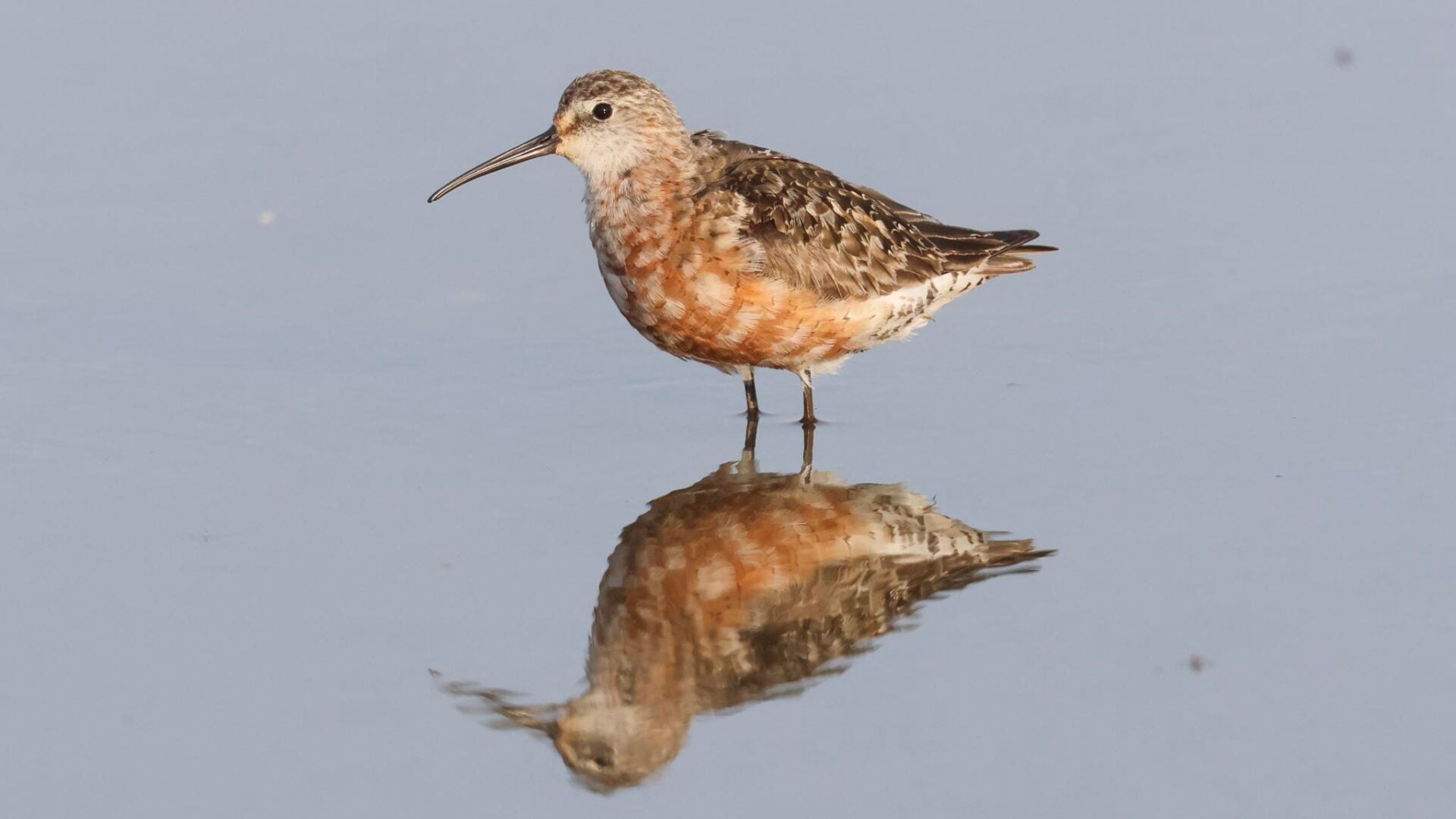
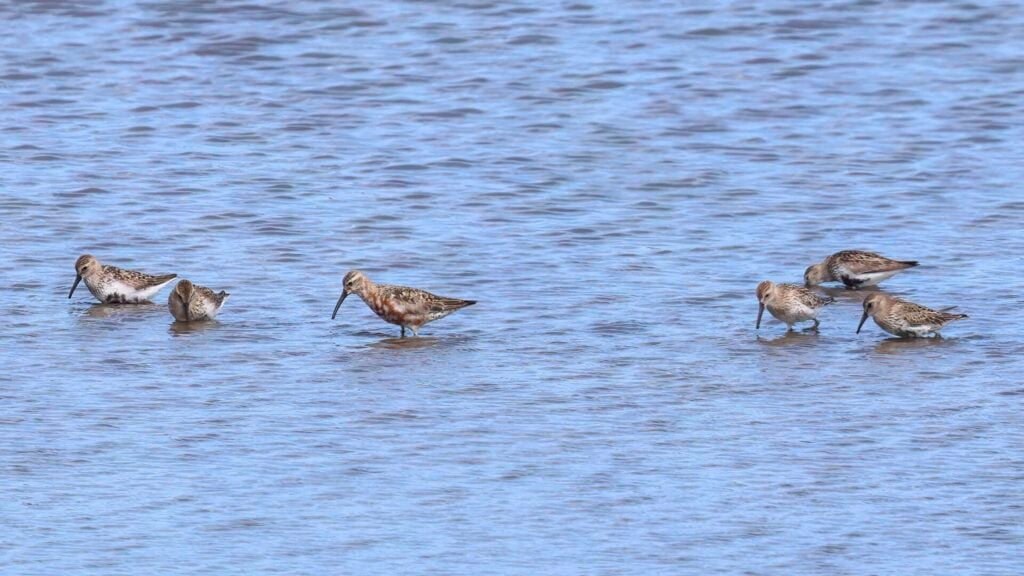
After Snettisham, we usually move on to Titchwell which gives us a chance to catch up with some different waders. Some of the species we have seen on The Wash can be easier to get views of here too, as they are not pushed in quickly ahead of the rapidly incoming tide. At the start of August, a moulting adult Curlew Sandpiper was feeding with a small group of Dunlin on the Freshmarsh by the main path, giving lovely views.
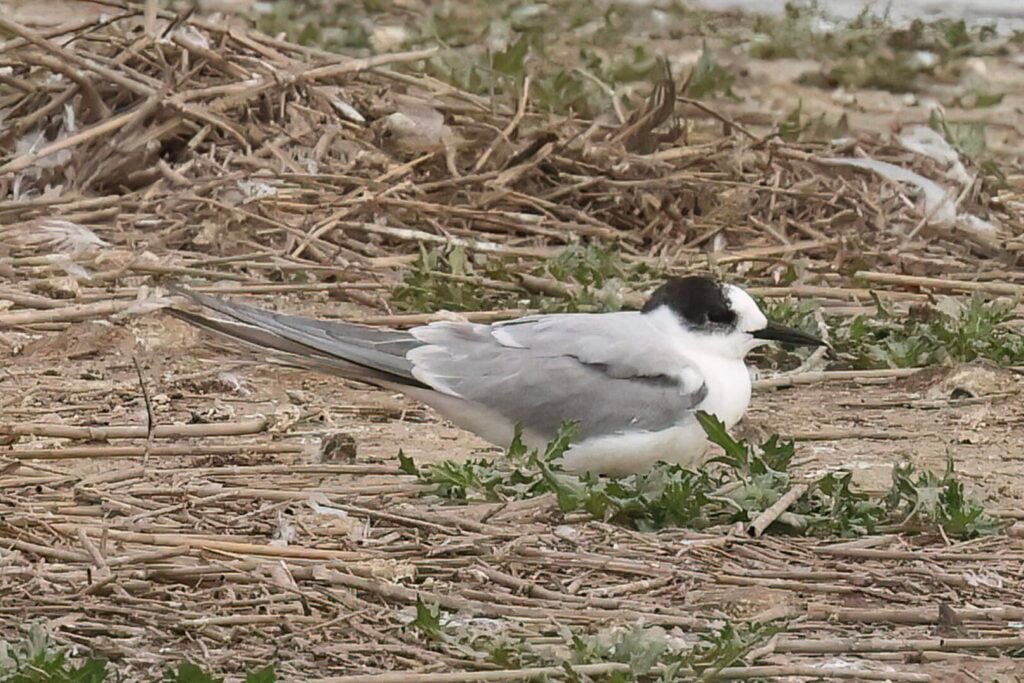
There are always lots of terns here on the coast in the summer. Sandwich, Common and Little Terns are the commonest breeding species. On 4th August, a young Arctic Tern was loafing on the Freshmarsh at Titchwell with the Black-headed Gulls. Most immature birds remain in the southern oceans and only a very small number return to the breeding grounds. So this was a nice opportunity to study a 2nd calendar year Arctic Tern, a plumage we don’t see very often.
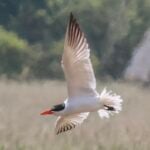
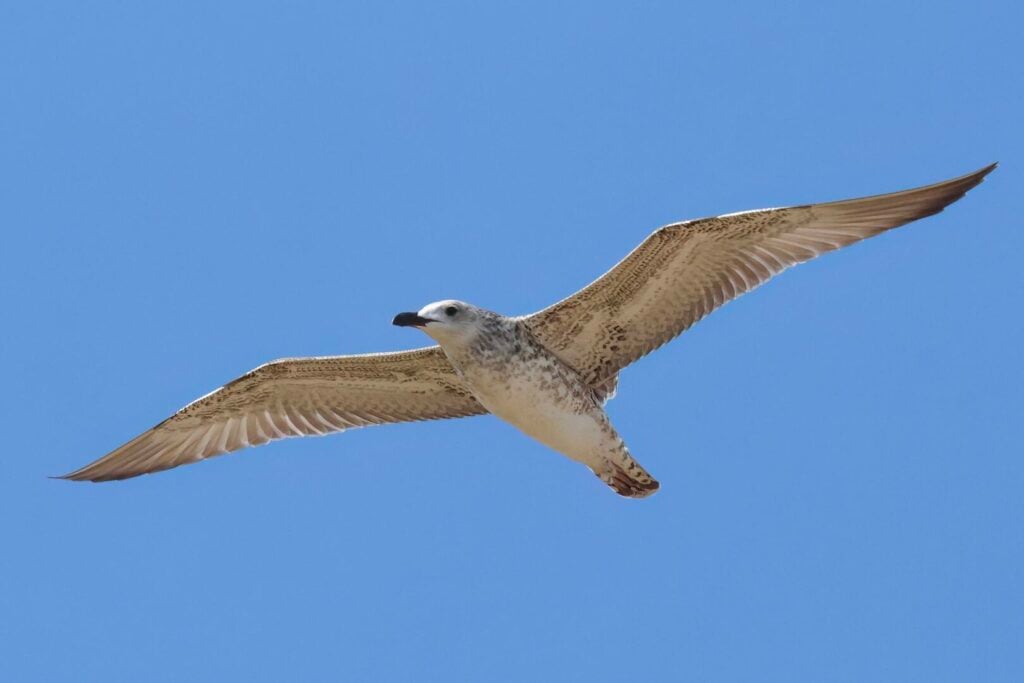
Summer is also a good time of year to catch up with gulls, as birds disperse westwards from the Continent at the end of the breeding season. In recent years, Norfolk has been the best place to see juvenile/1st calendar year Caspian Gulls in particular. Cromer beach normally has a small number gathering but they can be seen anywhere. This juvenile flew over our heads by the beach at Cley and the same day there we also saw an adult Caspian Gull and a subadult Yellow-legged Gull on the scrapes.
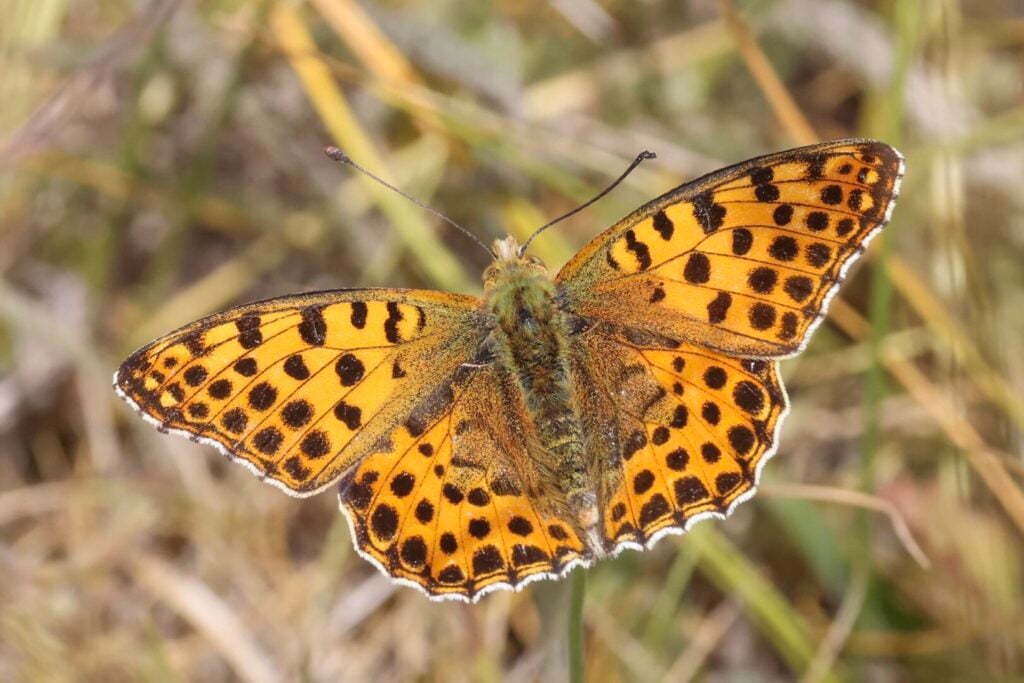
One of the other (non-avian) highlights of early August was the discovery of 2-3 Queen of Spain Fritillaries on Ringstead Downs. The summer of 2026 saw a record-breaking influx of this normally rare visitor to southern Britain. The assumption is that a few egg-laying females arrived in the first wave in June and resulted in emergence of several individuals at a number of sites like Ringstead in late July/early August. It will be interesting to see if they manage to establish themselves in the UK.
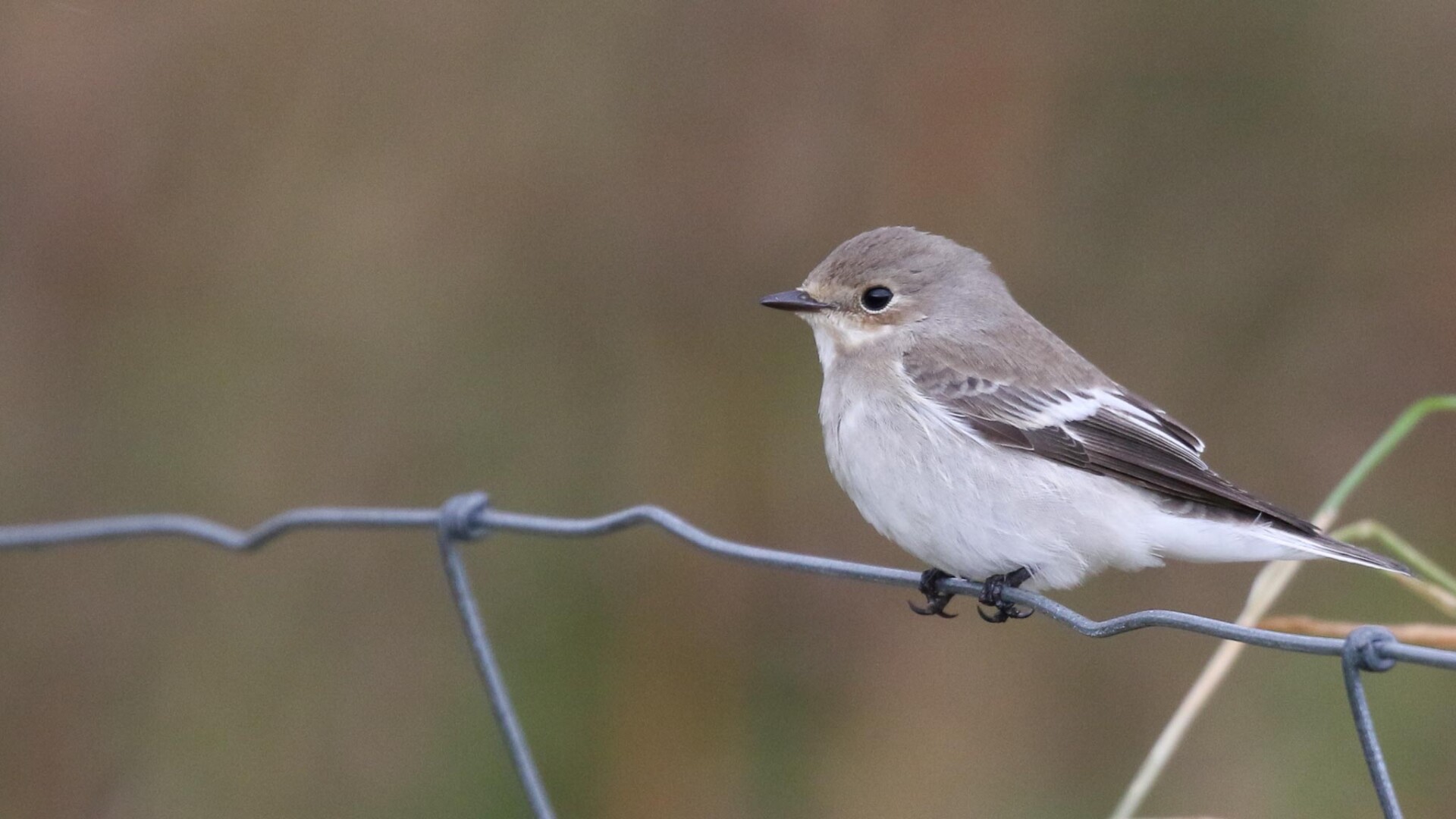
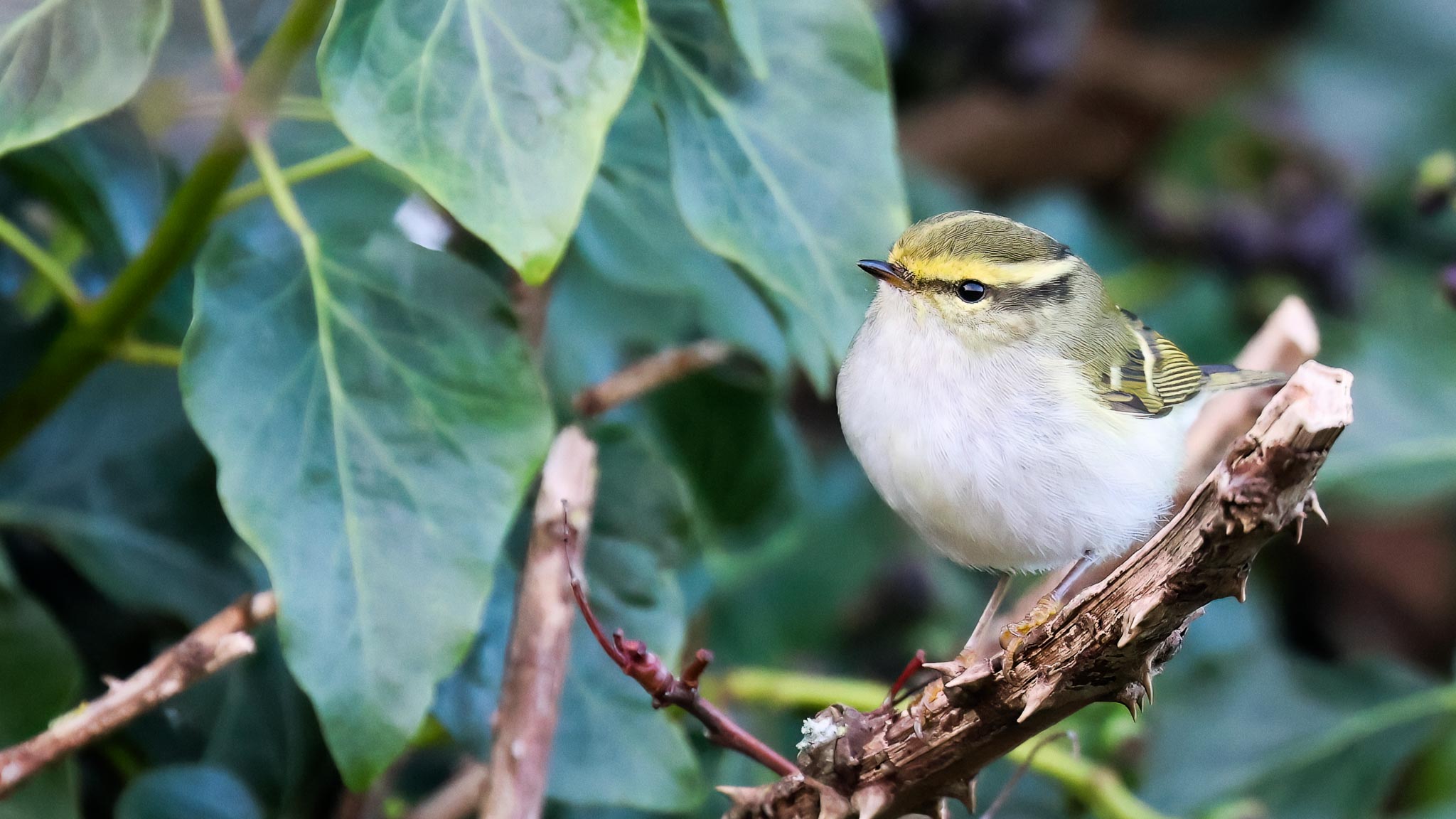
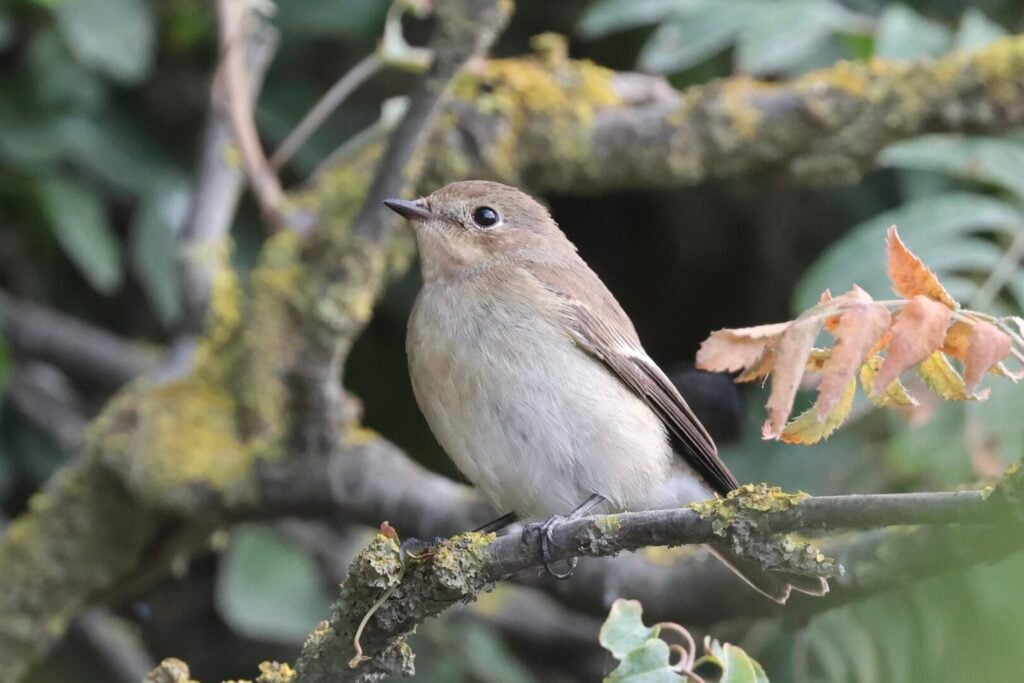
Later in August can be a good time for early passerine drift migrants from Scandinavia. Easterly winds in the last couple of weeks have brought in a flurry of Pied and Spotted Flycatchers, Redstarts and Whinchats. In with them, there have been a few Wrynecks and Red-backed Shrikes, plus a Barred Warbler and Melodious and Icterine Warblers.
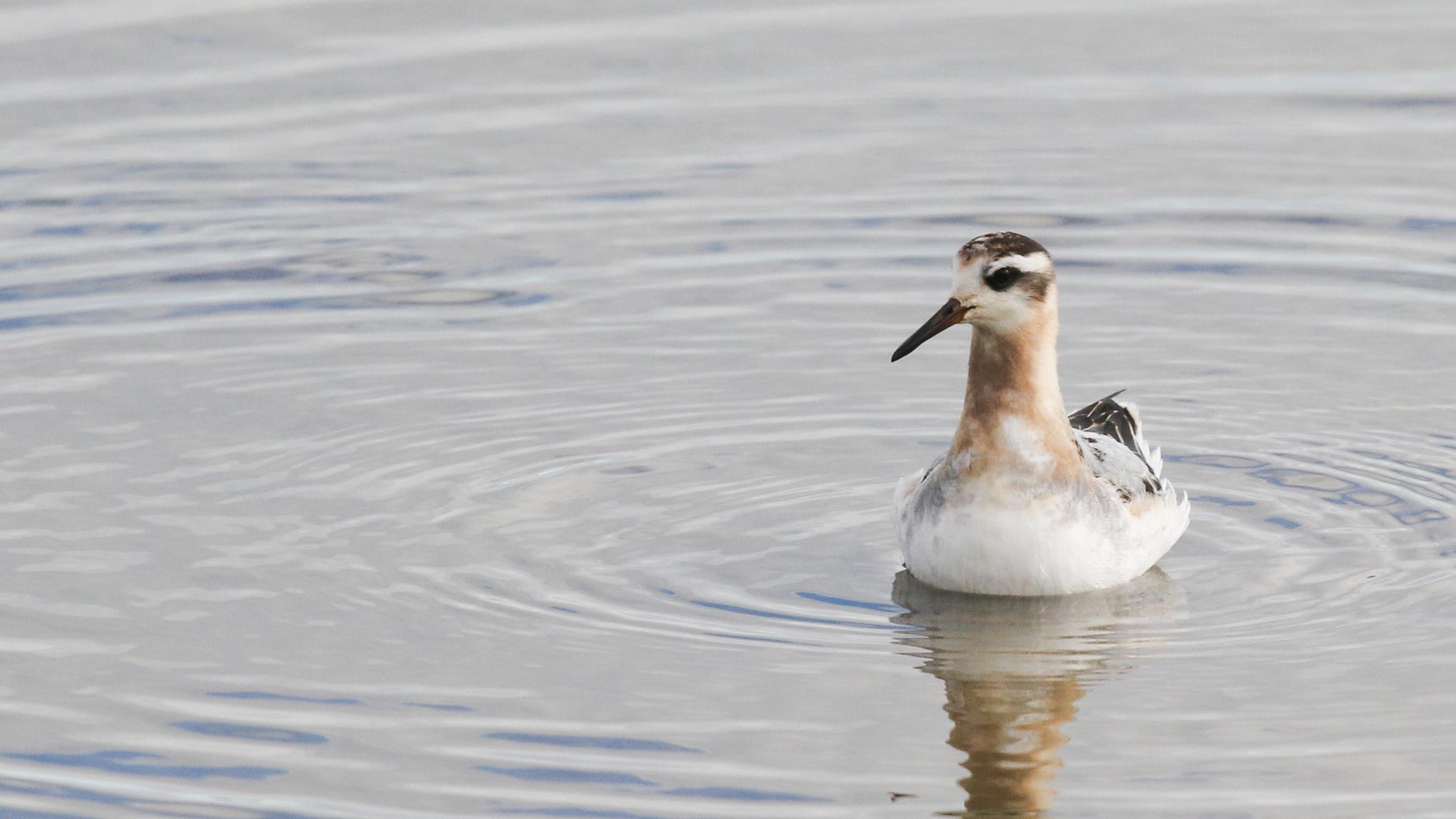
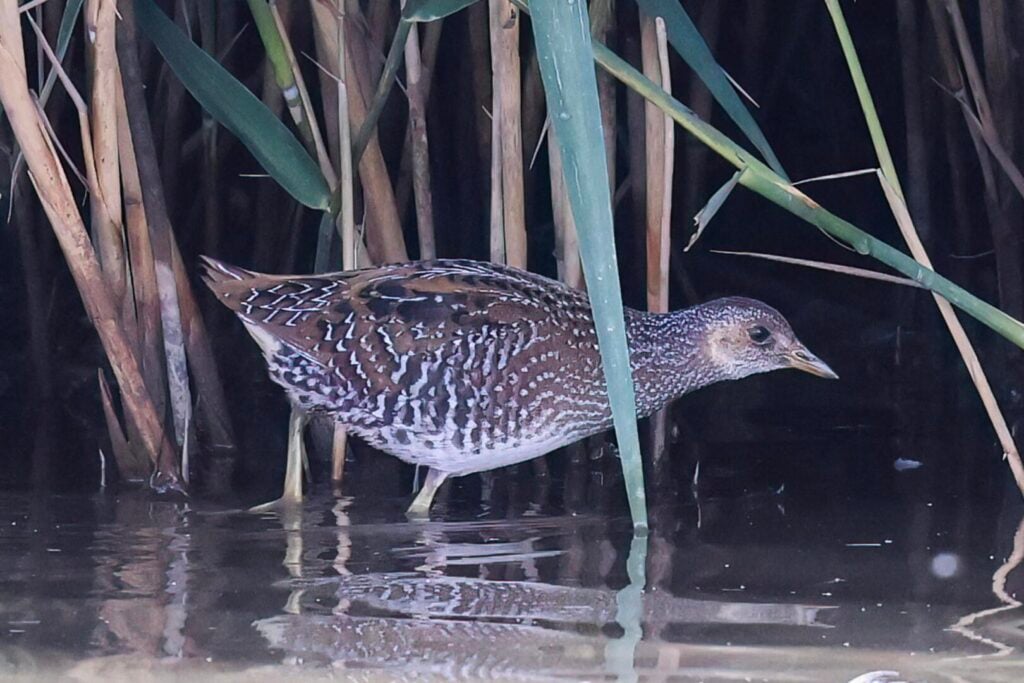
In the last couple of days, a Spotted Crake has been showing on and off along the edge of the reeds on the Freshmarsh at Titchwell and a juvenile Red-necked Phalarope has been lingering on the pools east of Wells. Hopefully they might hang around for a few more days and we can catch up with them on our forthcoming tours.
Normal service resumes from this weekend. Our next Wader Spectacular tours coinciding with the next set of high tides run over the following couple of days. Then the Autumn Migration tour season starts in the beginning of September. Lots to look forward to!