Not a tour, but three very exciting autumn days. It all started on 22nd October. Luke had returned from Spurn for a couple of days, arriving home overnight on 21st. He woke on 22nd to just the sort of ‘MEGA alert’ he didn’t want to see. ‘Male Siberian Rubythroat at Spurn’! A mythical rarity from the east and just the sort of bird you would not want to miss. Not when you have just chosen to come home.
As Luke’s car was going in for repairs that morning, there was only one thing for it. Not averse to seeing a male Siberian Rubythroat myself, I offered to drive him back up to Spurn for the day.
It is not a particularly long way to Spurn from North Norfolk, certainly not as the Rubythroat flies. But the roads are terrible and the journey takes about 4 hours. As we drove west through the Fens and then north through Lincolnshire, it quickly became clear that the Rubythroat was probably going to be a bust. Seen only briefly by two people and then flying off a long way, there was no initial sign where it had been seen.
We hatched a plan and decided to review when we got to the Humber Bridge. Siberian Rubythroats are typically very skulking and can hide under a single bush for days, so we figured there was a chance it could still be refound. A Rufous-tailed Robin had been found at Flamborough on 20th. Luke had seen it yesterday, before he left Yorkshire, but it would be a British tick for me and the first I had seen anywhere for about 30 years. We could divert to there easily if the Rubythroat wasn’t relocated.
So it was that we arrived at South Landing on Flamborough Head just after 1pm. The Rufous-tailed Robin had been very elusive, with people waiting hours for just a glimpse. So we thought it might take a while.
There was already a big crowd on the edges of the gully where it was lurking. Worse, there was only about a 15 metre stretch of fence where you could see down into the bottom to the gully. If you were next to the fence, you had a clear view. Those in the row behind had come with boxes, steps and stepladders to stand on (we had none). It looked like we might have a long wait even to get into a position where we might see it.
I joined the back of the crowd but after a minute or so, Luke called me back. Two of his friends, Bethan & Zach, were there and were about to leave. They kindly said I could take Bethan’s place by the fence. Thank you! So, after only 10 minutes or so, I found myself in position where I could see down into the gully.
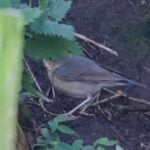
I hadn’t been there long when one of the local (European) Robin’s chased something through the brambles below us. Apparently they had been doing that to the Rufous-tailed Robin so the people around me were pretty confident that was the bird. I had brought a thermal imager with me and, even though I couldn’t actually see it, I was able to track it as it moved through the brambles on the other side of the stream. After a minute or so, the Rufous-tailed Robin dropped down into the stream, out in the open.
For a couple of minutes, the Rufous-tailed Robin worked its way back along the stream bed in the open. People had waited several hours for just a glimpse, so I felt truly lucky.
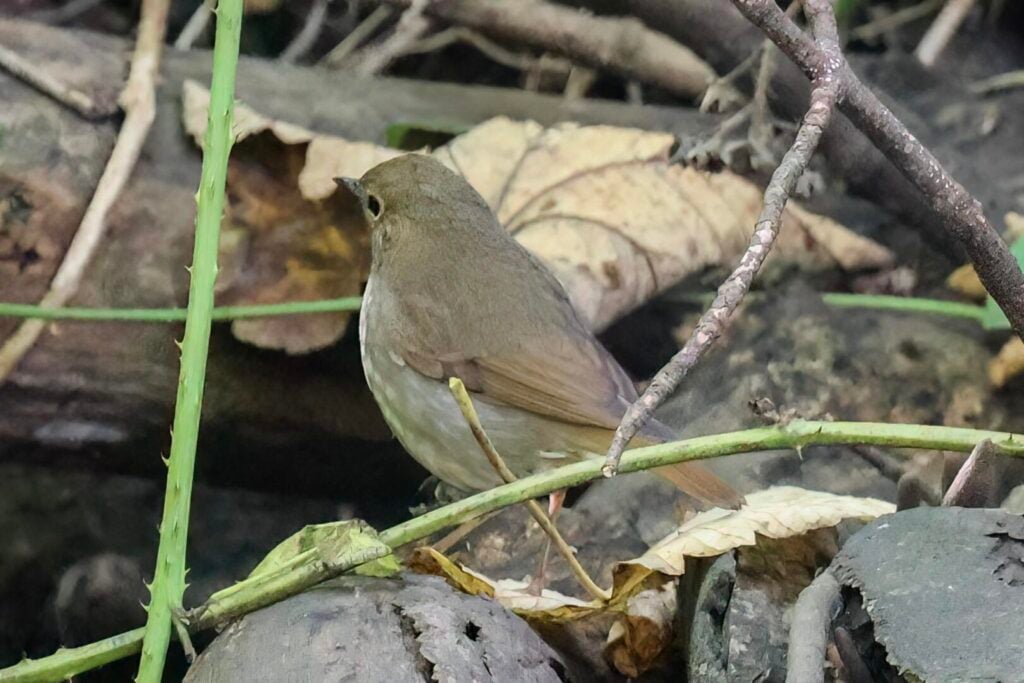
Breeding in southern Siberia and wintering mainly in China, it is a very rare visitor here. This is only the fifth record of Rufous-tailed Robin in the UK and the first to stay more than one day.
After our quick success with the Rufous-tailed Robin, we decided to move on. We called in to see the Pallas’s Warbler at Bempton next, getting lovely views of it in the sallows in the sunshine, along with a bonus Firecrest. After that, we drove down to Out Newton and stopped to see the Isabelline Shrike. Surely a Daurian Shrike, at the time of writing these are not accepted to species without DNA. Instead of battling with rush hour traffic round Hull, we stopped off at Kilnsea for the Hume’s Warbler before the long drive back to Norfolk.
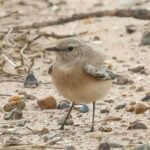
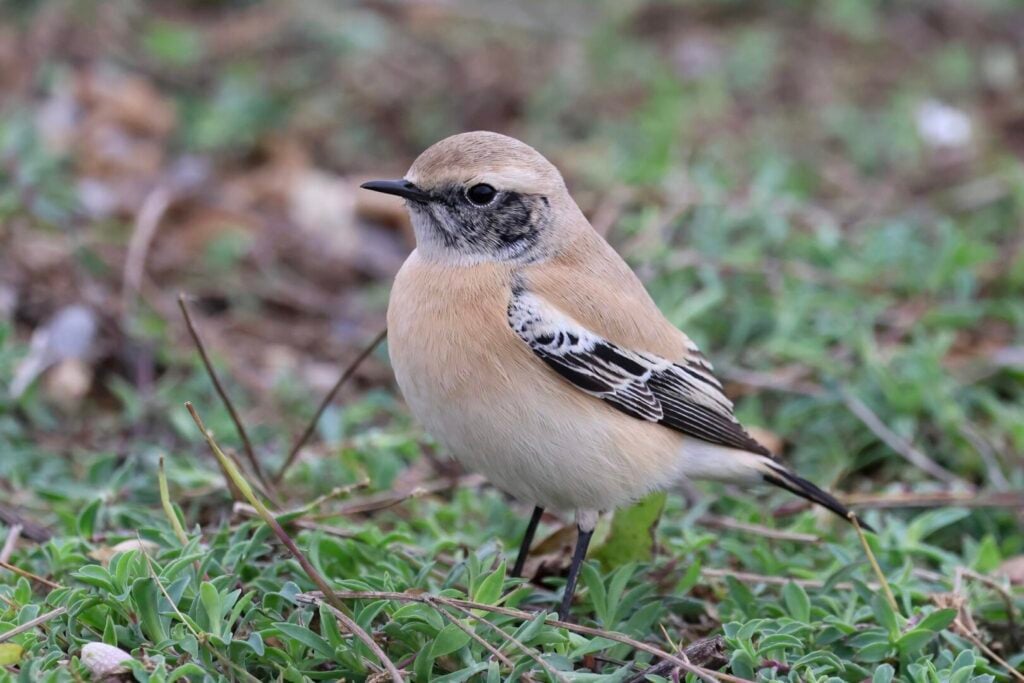
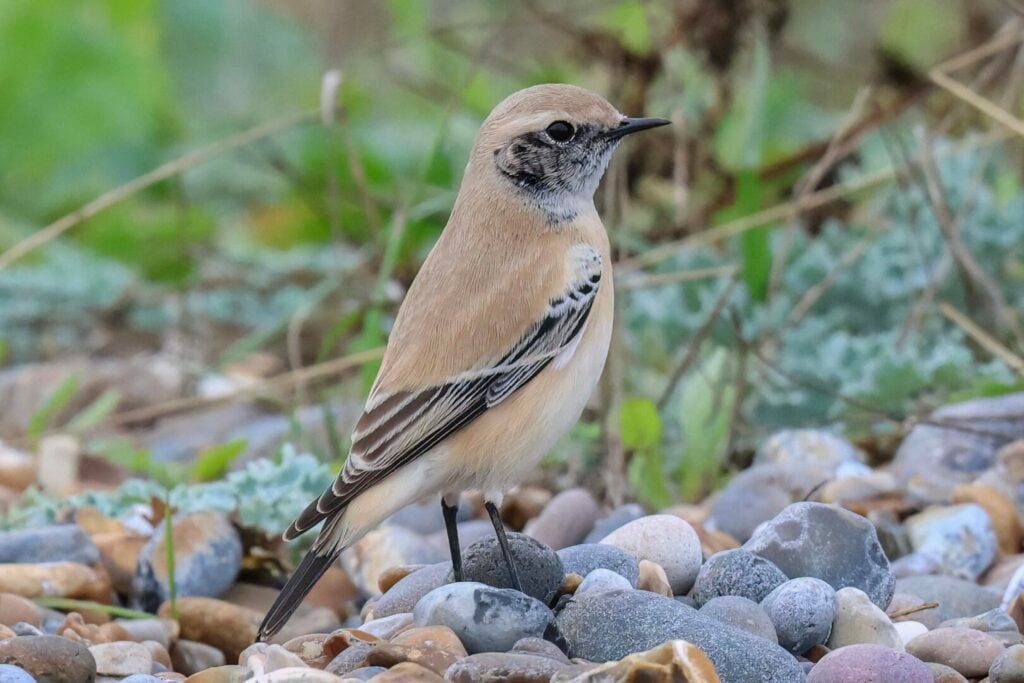
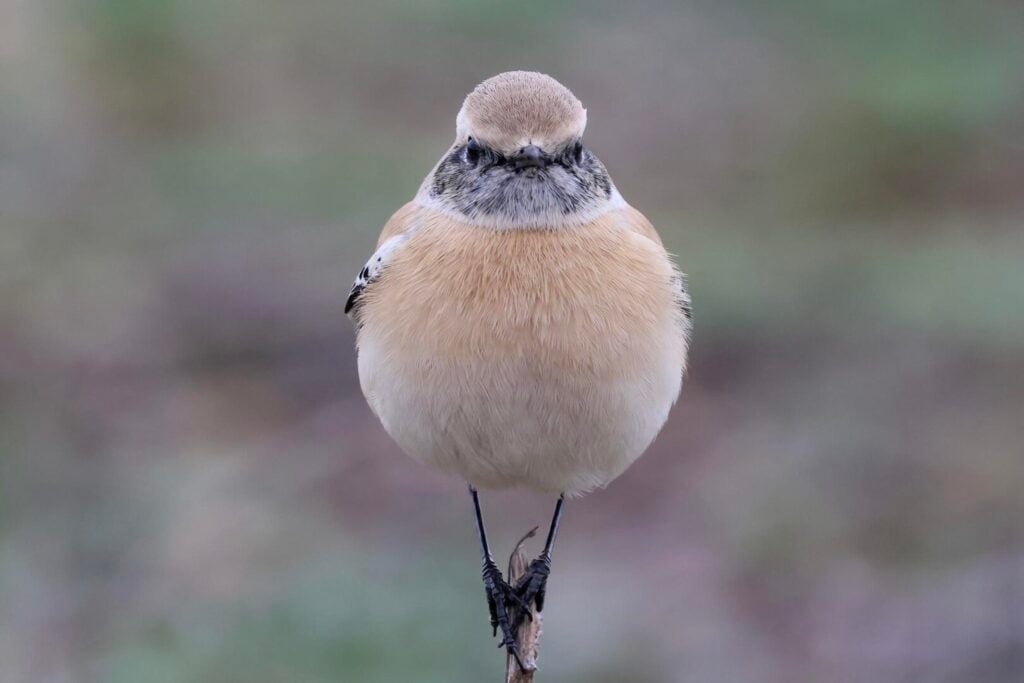
We had been fortunate to see the female Desert Wheatear at Wells on the final day of our last tour. The following day, a male was found on the beach at Cley but it had disappeared by the following day. So it was a surprise when it was back on the beach three days later, on 23rd. Where had it been hiding? We had to pay a visit to CleySpy in Glandford anyway, so Luke and I popped down to Cley to see it.
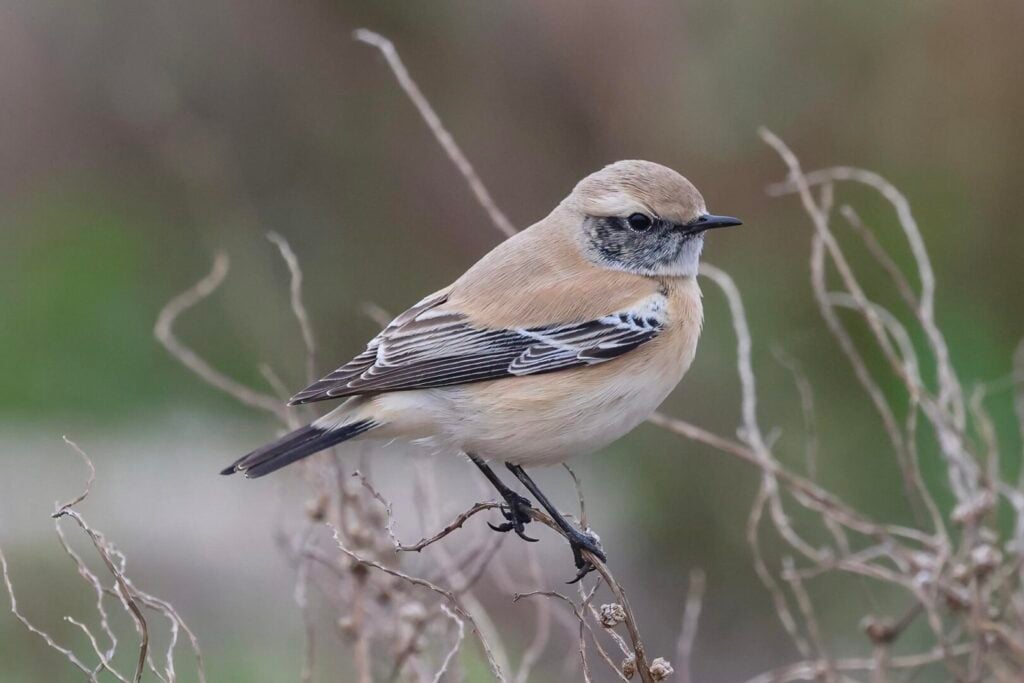
Desert Wheatears can be incredibly tame and it was certainly true of this bird. If you sat down and waited, it would come very close. At one point, it came within about five feet of me, too close for photos!
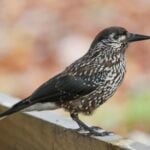
One bird everyone has been looking out for this autumn is Nutcracker. They are a rare visitor to these shores – the last which anyone could go to see was back in 1991. There have been just three records since, but all too brief for anyone really to twitch. The Siberian race, macrorhynchos (sometimes referred to as Slender-billed Nutcracker), periodically irrupts westwards in response to a failure in the pine cone crop in its normal range. The last (and only) one I have seen in UK was way back in 1985 in Suffolk.
This autumn, there has been a major irruption of Nutcrackers in Western Europe, with large numbers seen in Scandinavia and increasingly being seen in the Netherlands, Belgium and even into France. It felt like this was the best chance for years of us getting another Nutcracker here in UK.
So it was not great surprise when the Norfolk county bird recorder posted a message on 24th to say that a Nutcracker had been seen and photographed by a member of the public in a garden in the coastal village of Mundesley the previous day. Several people drove down on the off chance that it might still be there, including us. We were just driving into the village when it was refound.
The Nutcracker eventually settled down in a particular garden. Thankfully, the house was empty and up for sale so there was no problem with a small group of excited birders gathering at the top of the driveway. As we stood and watched, it dropped down onto the gravel and picked around in the beech mast which had falling on the drive from the trees above.
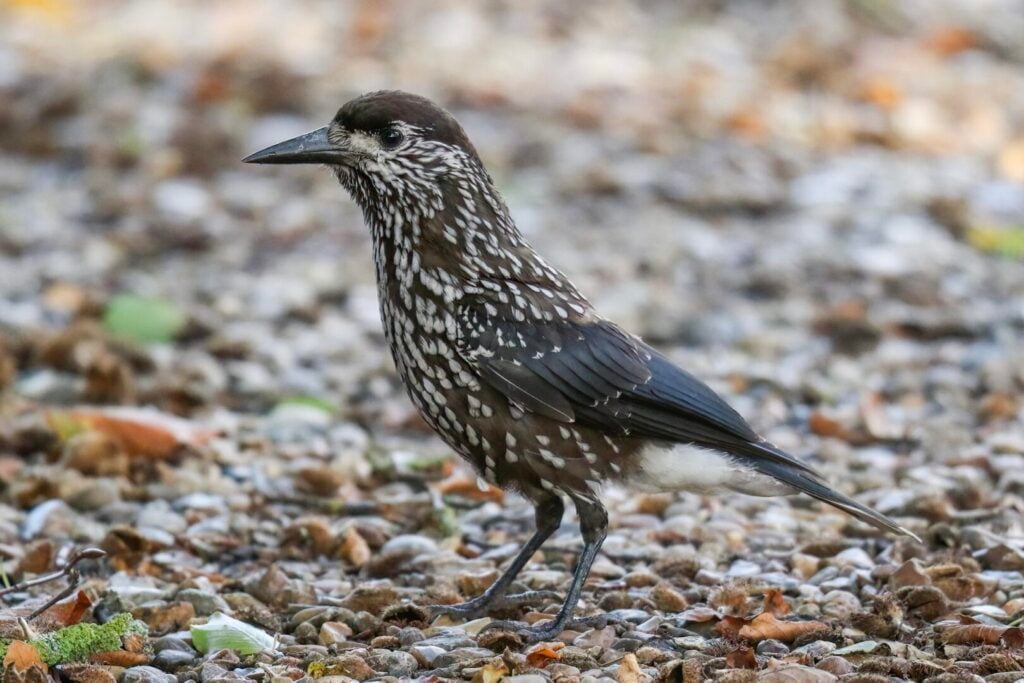
The Nutcracker flew up onto the fence and then dropped back down onto the drive, hopping right up to us until it was only about six feet away. Clearly, it had never seen humans before, where it came from. Then it crossed over to the lawn the other side of the fence and spent some time looking for food there. Eventually it flew over into the back garden. With the crowd of admirers now growing rapidly, it showed no sign of coming back closer again.
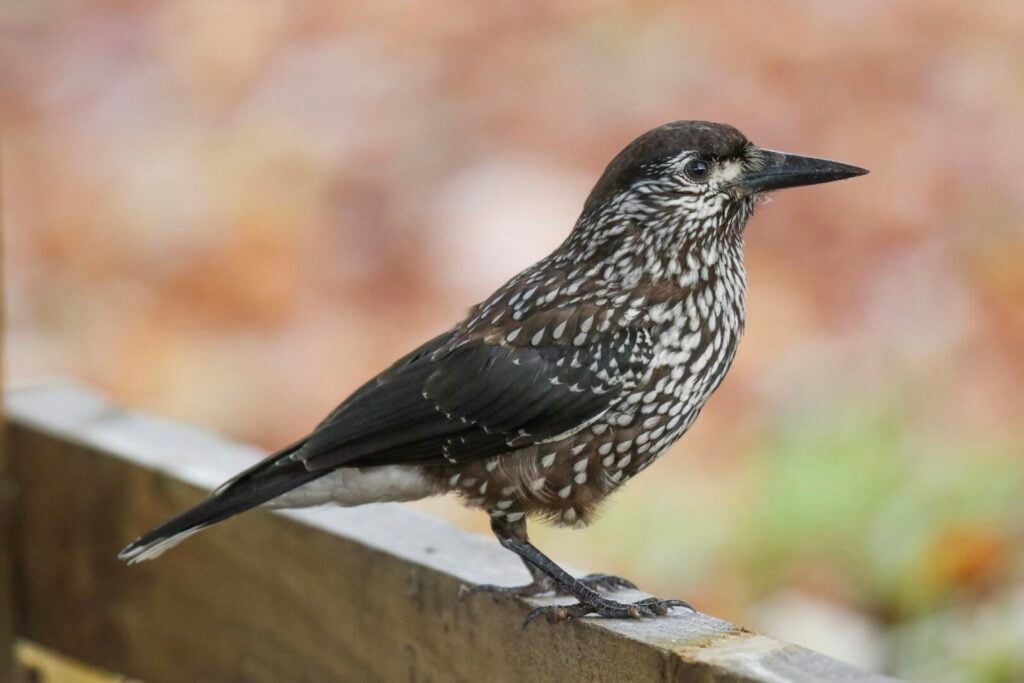
Having enjoyed excellent views and spent some time watching it, we decided to leave before the traffic got too bad. Over the following few days, it attracted lots of birders from all over the country, keen to see a Nutcracker.
We had hoped the Nutcracker and the Desert Wheatear would stay until our next tour on 30th. Unfortunately, the Desert Wheatear was last seen on 27th and probably moved on with an improvement in the weather and a clear night . The Nutcracker was still present early in the morning on 28th but then it too disappeared. There were reports of shots being fired – perhaps the locals had finally got fed up with the crowds? More likely it had just decided to move on too, as it seemed to become noticeably more mobile around the village the previous day.