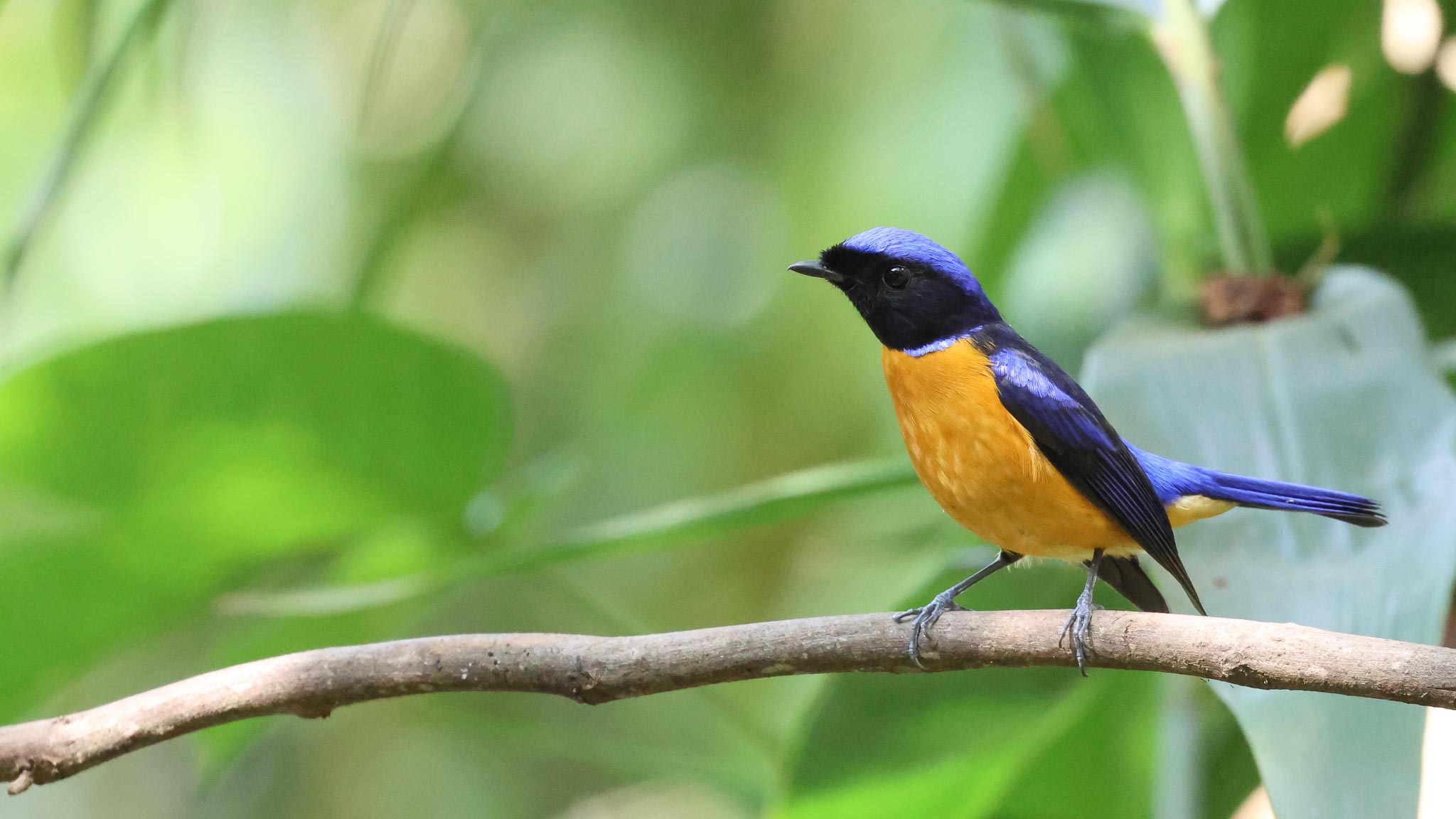
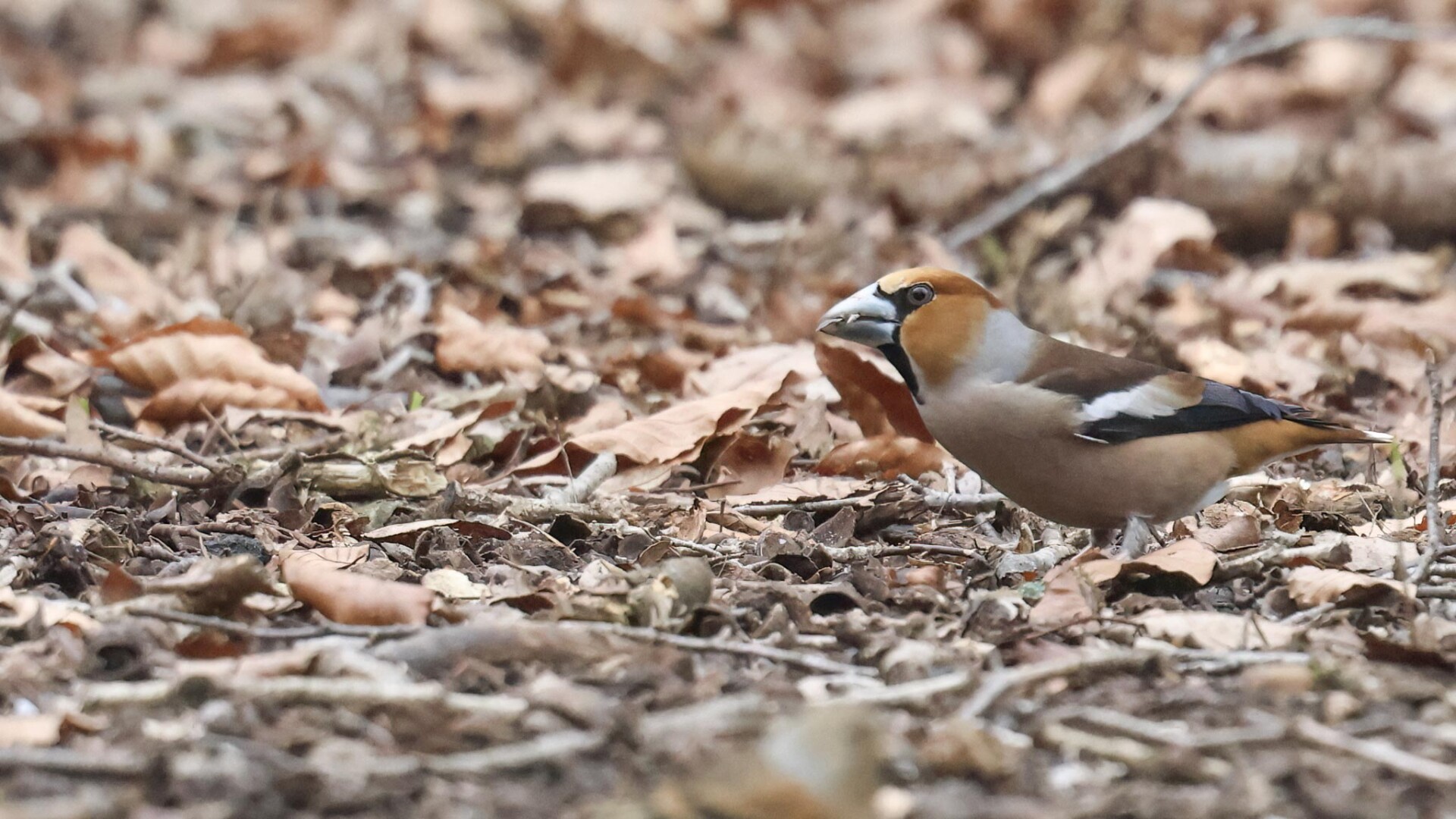
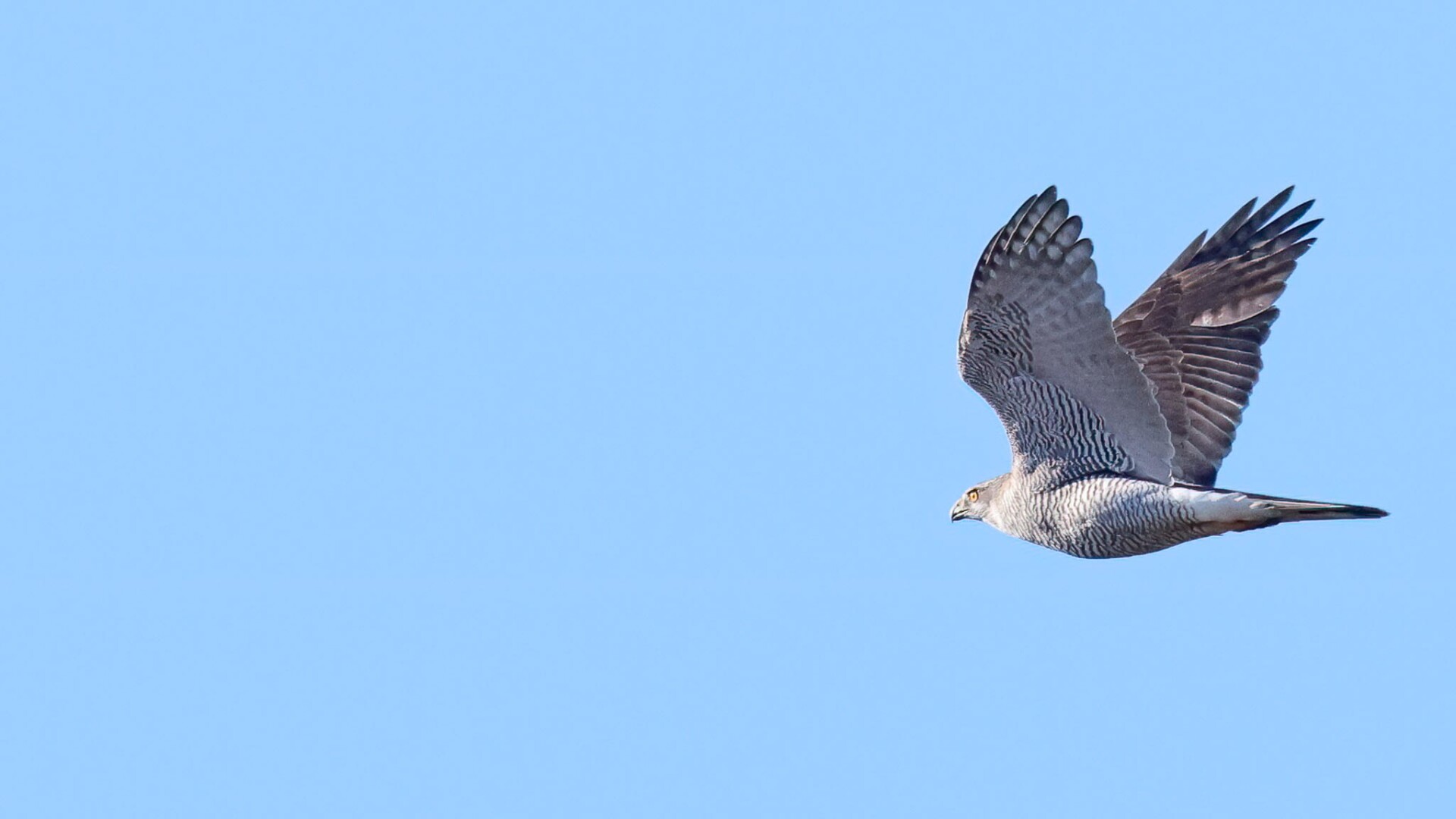
Day 3 of a 3-day Late Autumn Tour in Norfolk. This morning started foggy again and this time it didn’t lift and break quickly. It remained misty to a greater or lesser degree all day, only easing a bit in the afternoon. A very grey day, but at least it stayed dry with only light winds.
With the foggy start, we headed for Titchwell first. As we drove along the lanes from Docking, lots of Redwings and Blackbirds flew out of the hedges ahead of us, along with a few Chaffinches. Presumably migrants having dropped in overnight.
The more regularly flailed hedges at Choseley Farm were, in contrast, very quiet. As usual here these days, the commonest bird was the huge number of Red-legged Partridges released for shooting. There were at least 30 in the road and another 200 or so in the fields either side, beyond the hedges.
When we got to Titchwell, the car park was still fairly quiet. A Jay flew across into the oak trees above the access road, probably looking for acorns. More Blackbirds and Redwings flew over. There was not much in the overflow car park today, just a couple of Dunnocks, Robins and Woodpigeons. A few Chaffinches were calling in the hedge.
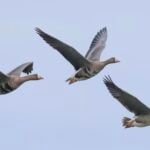
We stood and scanned the paddocks from the gate at far end. A Great Spotted Woodpecker flew across as we walked up. There were more thrushes and Blackbirds in the hedge over by East Trail and a flock of Starlings feeding on the grass. Two Stock Doves landed on the roof of one of the stables. We could hear Pink-footed Geese calling, and picked up four flying past as they came out of the mist. Our first Marsh Harrier of the day circled round over the reedbed beyond
We walked back round, past the Visitor Centre and out onto the reserve. Lots of Chaffinches were feeding under the trees at the start of the West Bank path. A little further up, we came across a flock of Long-tailed Tits in the willows. A few Blue Tits as well but we couldn’t see anything else with them.
Out of the trees, and we looked across to see a Marsh Harrier on dead trees at back. Another was perched on a bush in the Thornham reedbed, preening, and a Red Kite was on a post behind. Several Cetti’s Warblers shouted from the reeds. A succession of small flocks of Starlings flew through, heading west. We would see them all day, presumably just arrived from Scandinavia for the winter, heading along the coast before cutting inland.
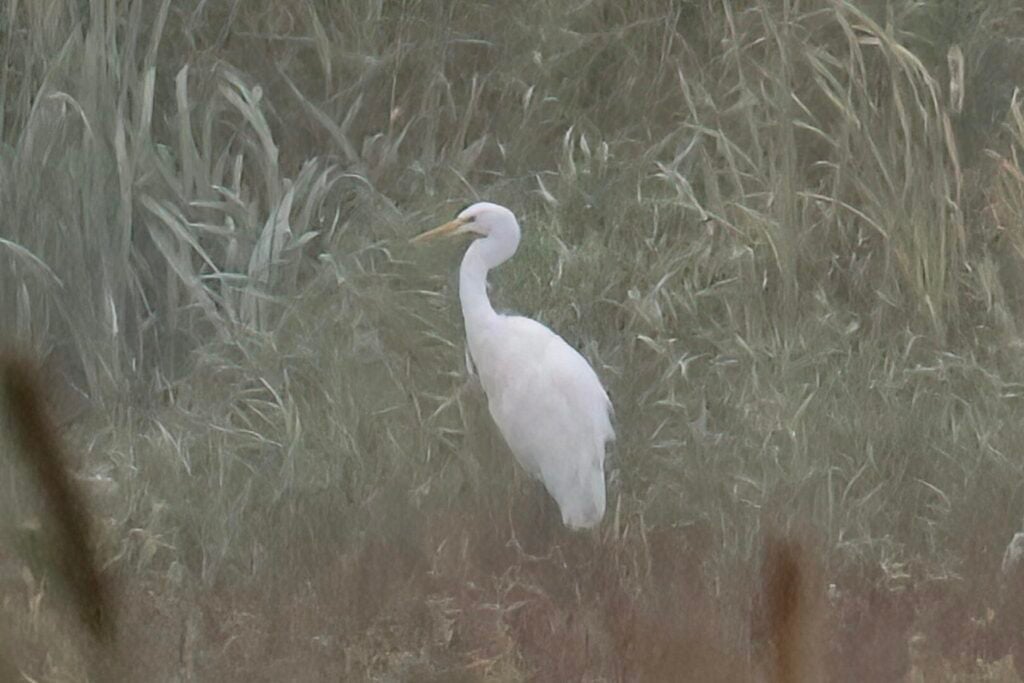
As usual, there was a single Great White Egret on the Reedbed Pool. A Kingfisher shot round briefly but disappeared behind the bushes. There was a selection of ducks on the pool, and several Coot and a pair of Tufted Ducks with the Gadwall.
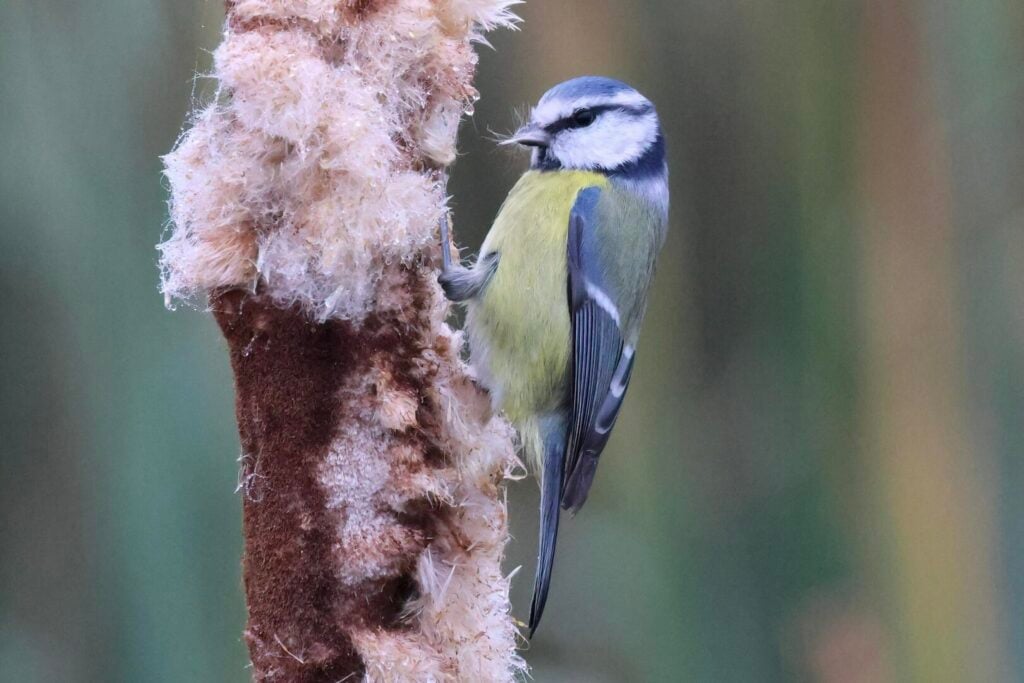
A couple of Blue Tits were feeding on the bulrushes. They seemed to think they were Penduline Tits, pulling the seeds out of the heads and sending the fluff flying. We checked carefully, but all we could see were Blue Tits.
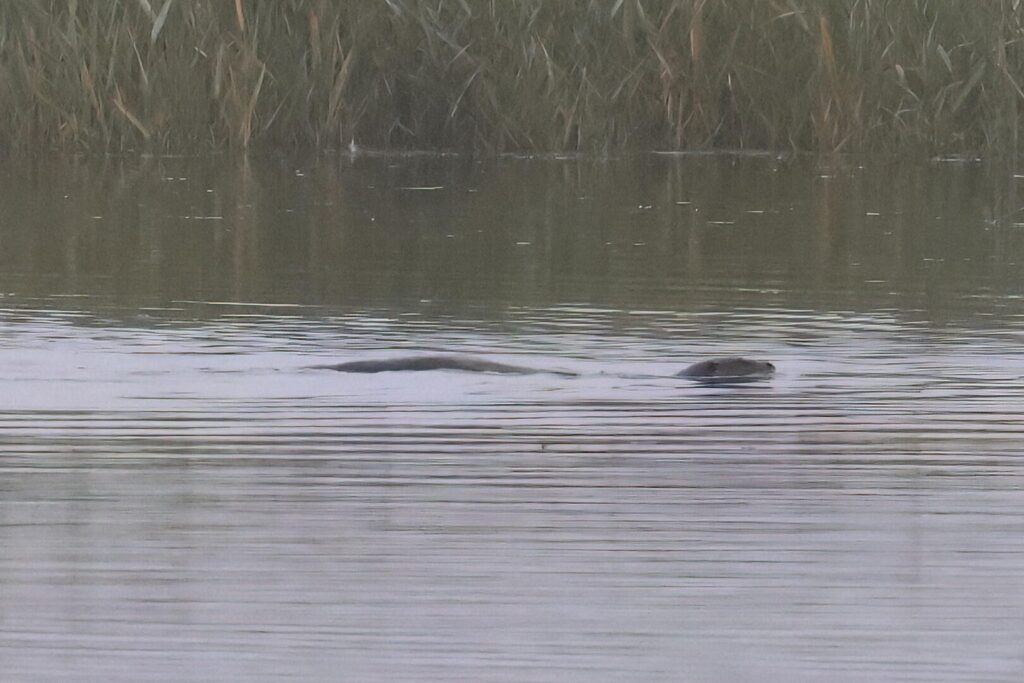
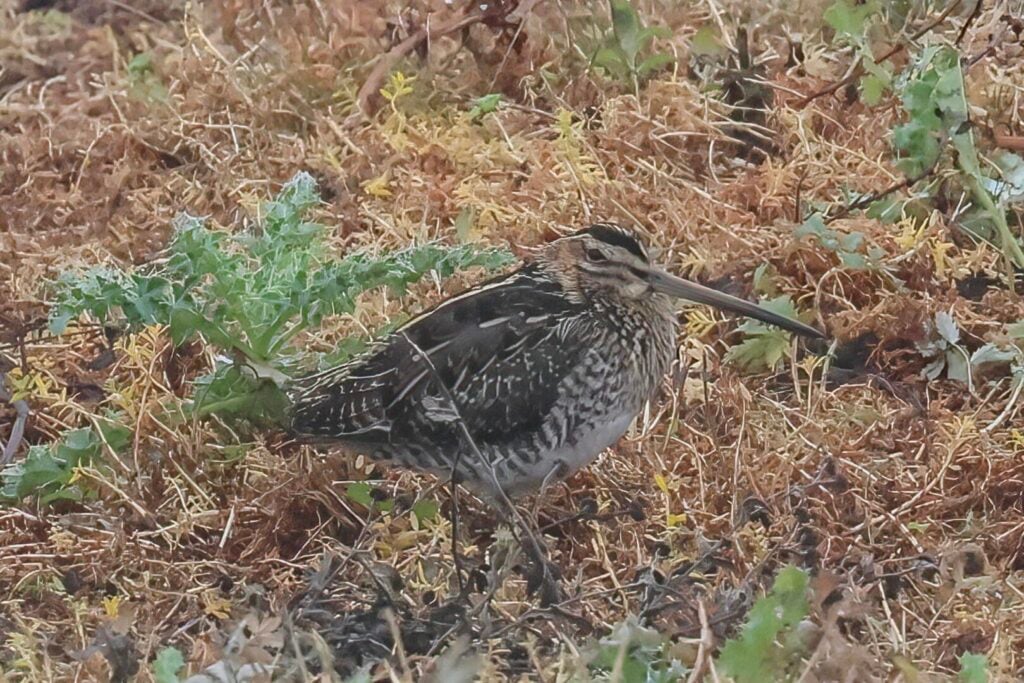
Looked along the edge of the pool, we could see lots of ripples and a shape moving in the water. When it put its head up, we could see it was an Otter! It spent some time upending in the shallow water, so we could get it in the scopes and watch it. Eventually it disappeared back into the reeds. A Common Snipe flew up from the front edge of the pool and a Little Grebe was diving in the near corner further up.
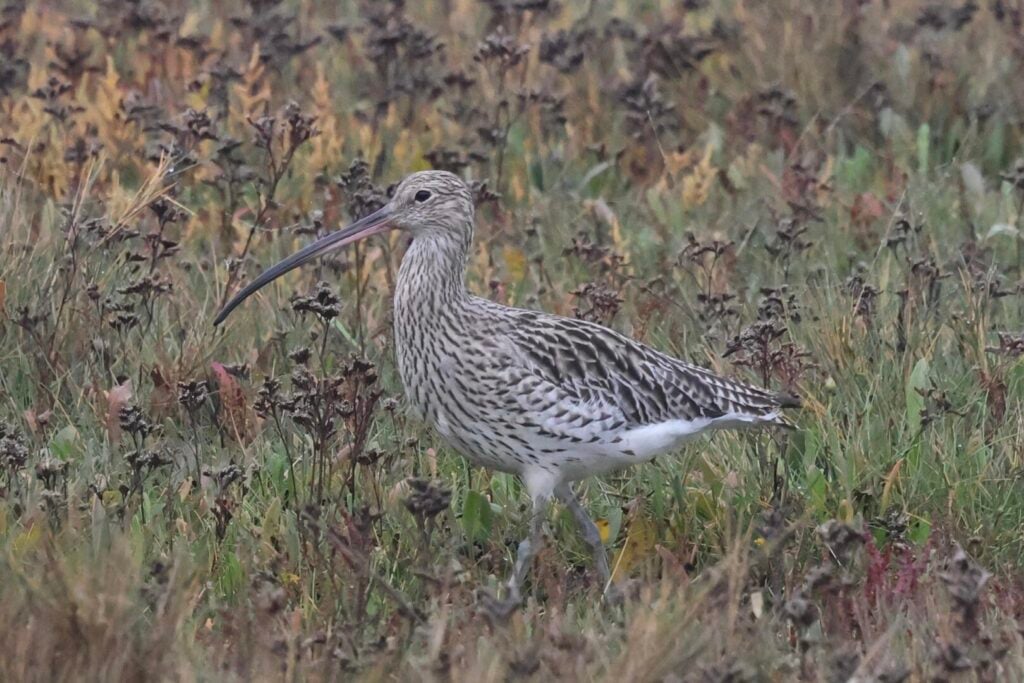
A single Curlew was walking around on the saltmarsh behind us. Further back, a Chinese Water Deer was feeding in the taller vegetation. A Common Buzzard was perched on the bunker, and two Kestrels were on the dead trees in the reedbed now. A Siskin flew over, almost dropped into the bushes by Island Hide but changed its mind and continued on west. Another migrant on the move.
Something spooked all the birds on the Freshmarsh. A huge flock of Golden Plover flew up, several hundred whirling round. Impressive. All the ducks flew round too, as did a flock of Lapwings. Then we noticed a male Marsh Harrier on one of the islands at the back of the Freshmarsh. It looked to be on a kill, tearing at something. Perhaps it had just made a kill.
The Golden Plover eventually seemed to settle down. As we walked on, we could see them now packed on one of the islands. Several Pintail were over the back of the first compartment, along with a single female Common Pochard. A couple of groups of Brent Geese took off and headed out over the saltmarsh. We heard a Water Rail squealing from the reeds.
We continued on past Island Hide today. It was a nice view of the Golden Plover now, from the main path, packed in on the islands. Two Common Snipe were feeding on the bund at the back.
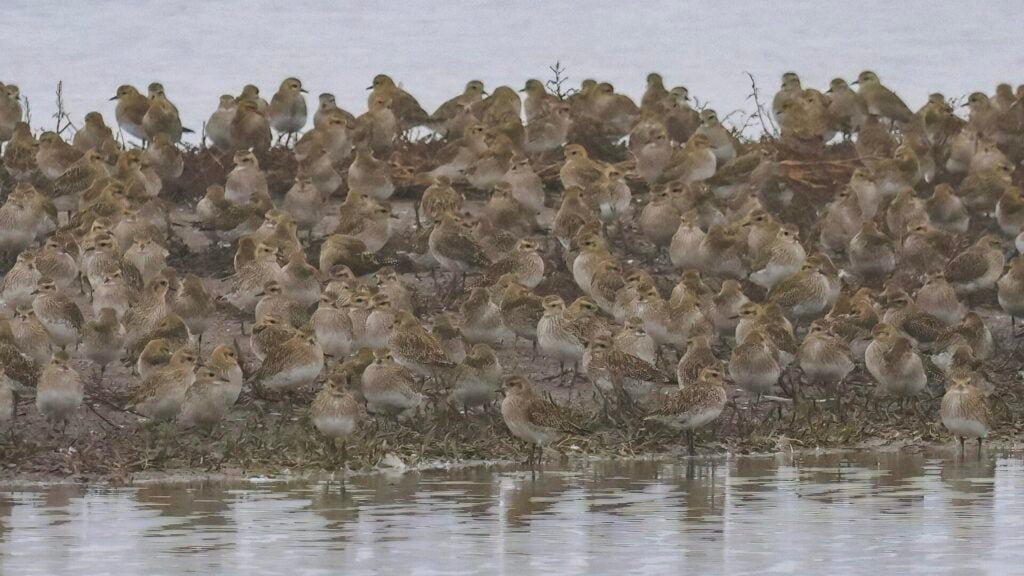
There were yet more Golden Plover on the next compartment, standing in the shallow water, along with several Dunlin. We had just stopped to scan when a Pied Wagtail chased off a Water Pipit from the edge of the reeds. We watched the Pipit fly off back towards the reedbed.
A minute later, the Water Pipit flew back in and dropped into the vegetation in front of the reeds. We got the scope on it, but before everyone could get a look, the Pied Wagtail chased it off again. We didn’t see where it went this time, but hoped it hadn’t gone too far. Scanning round, all we could find now were several Meadow Pipits feeding in the low vegetation on the island, a little further out.
There were also three Black-tailed Godwits and a couple of Ruff on here. Another Common Snipe was right over in the back corner, then one of the group noticed two more Common Snipe on the bund right in front. Nicer views in the scope now.
Everything spooked again and all the Golden Plovers erupted. We couldn’t see why this time but everything seemed very jumpy in the fog. It might have been a large gull flying over. When we looked back, all the pipits had disappeared. We continued on round to the Parrinder Hide, hoping to find more pipits from there. The sun seemed to be trying to break through now, so we were hoping it might finally brighten up, as had been forecast.
The back compartment of the Freshmarsh looked rather quiet. There were a few waders, including several more Ruff and a couple of Common Snipe. A Greenshank flew over calling but continued straight on west without stopping. A lone Pink-footed Goose was on the big island with a single Greylag – odd bedfellows.
There were lots of Meadow Pipits on the island in front and a couple of swarthy Rock Pipits with them. One of the Rock Pipits flew in and landed on the bricks a couple of times. There was no further sign of the Water Pipit though.
There was no sign of the fog lifting, so we decided to head out to the beach anyway. The sun had retreated back into the gloom again. The Volunteer Marsh is full of water now, so we carried straight on to the Tidal Pool. There were just a few Black-tailed Godwits and a Redshank on first section. A Little Grebe was diving by the bank.
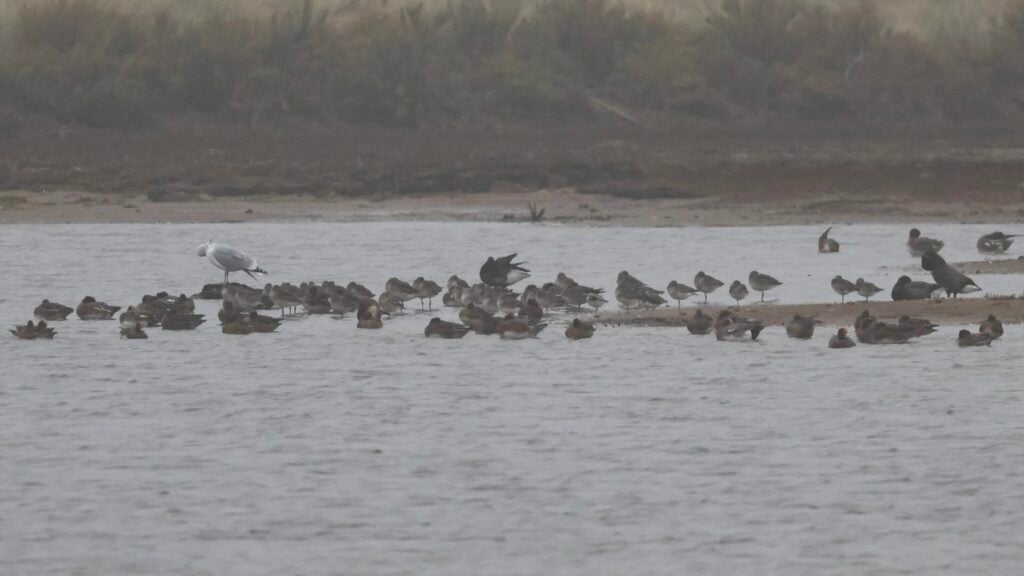
There were more birds further over. A group of Oystercatchers was roosting on the saltmarsh island at the back and a nice selection of waders was on the spit. More Black-tailed Godwits, Grey Plovers, a few Knot and some Turnstones.
There was a noticeably cool breeze out here, so we pressed on quickly to the beach. The tide was in but visibility was rather poor. A few other people were scanning from the top of the dunes and one of the volunteers gave us directions to a couple of Velvet Scoters on the water. Not far offshore today but the mist was not helping. A couple of Goldeneye were on the sea too, but no sign of the Long-tailed Duck initially which had been with them. A small group of Red-breasted Merganser flew past.
There were a couple of Great Crested Grebes on the sea. A Slavonian Grebe had been out here earlier too but had drifted off east. It did eventually reappear but it was hard to see on the edge of the mist, diving constantly. We also managed to find a couple of Red-throated Divers and a Razorbill on the water. There were a few waders on the beach and some small groups of Sanderling flying up and down.
Finally the Long-tailed Duck reappeared. Everyone was feeling a bit cold, so before we had a revolution in the ranks, we decided to head back.
We stopped to scan for the Water Pipit again, where we had seen it earlier, but no sign now. Several Reed Buntings chased round on the edge of the reeds and the Meadow Pipits had returned. As we were walking back, four Whooper Swans flew in. They landed on the back of the Freshmarsh, where we could just see them behind one of the islands. Freshly arrived, probably down from Iceland, and most likely heading to the Fens for the winter.
Back to the Visitor Centre, it was time for lunch and a chance to get a hot drink from the cafe. Afterwards, we drove round to Snettisham and parked in the RSPB car park. There had been some Waxwings here earlier and we were hoping to catch up with them. After exchanging messages with one of the locals, we were given directions out to the tree they were feeding in.
As we walked in round the edge of the Pits, a flock of Fieldfares flew in and landed in a tree in front of us of us. We could see two Waxwings distantly in a tree in the middle of the caravan park, but we had kindly been given permission to go in.
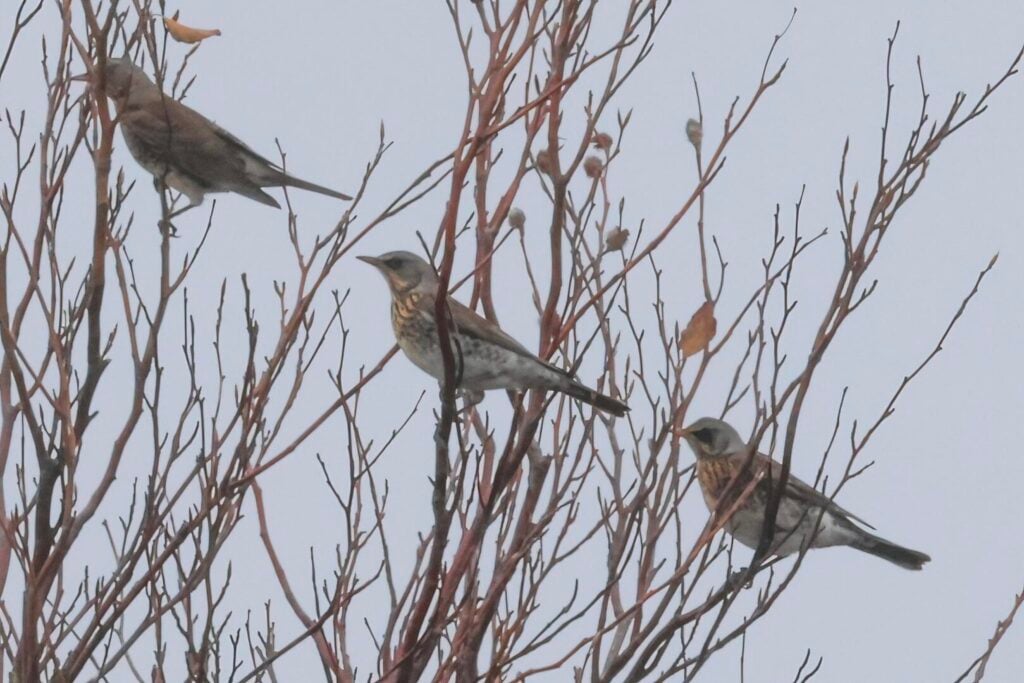
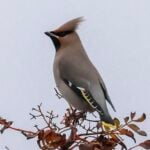
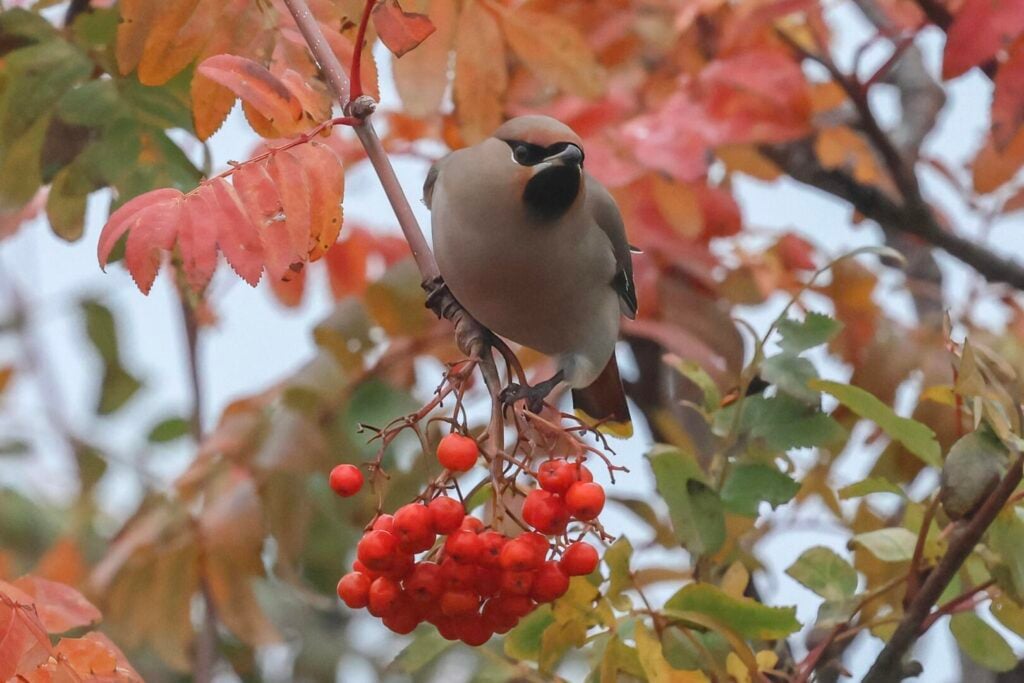
We quickly found the rowan trees and the two Waxwings were perched in the top of one of them. Presumably they were digesting, as they were looking round, not doing much. We got them in the scopes for a closer look. One Waxwing was an adult, probably a female, and the other one a young bird with reduced coloured markings in the wing.
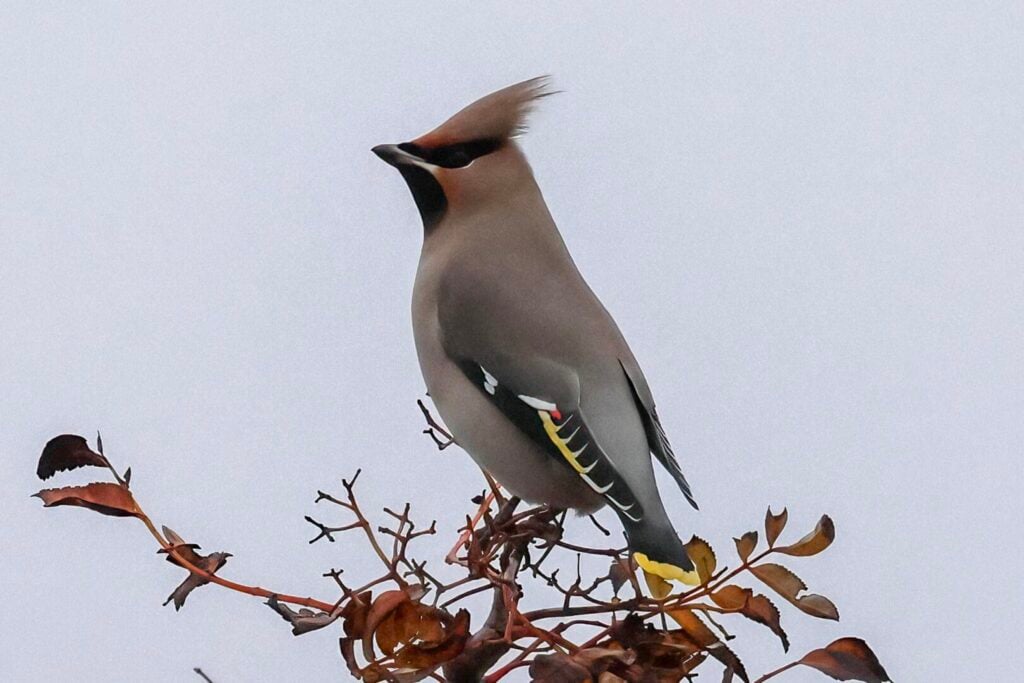
There were a couple of Blackbirds in the same tree too and a few Redwings flew in and out. Then a Mistle Thrush flew out – we hadn’t seen it in the middle of the tree. After a while, the Waxwings dropped down to feed. They quickly snaffled a few berries, then retreated back up into the top of the tree again.
We decided to walk back. There was still time for one last stop, so we offered a choice. Either Holme to look for Snow and Lapland Buntings or Holkham for Shorelarks. Both were mobile and probably only a 50/50 chance of either, but the group opted for the latter.
By the time we got to Holkham, it was still not that late, but with the fog it was very gloomy now. We walked quickly out to the beach. There was no sign of any birds in the fenced off area of emergent saltmarsh, so we continued on round past the Little Tern colony. We hoped we found have more success scanning the beach to the west, but there was nothing moving out there either now. They might have gone to roost early, or been pushed off by the dogwalkers which are inescapable out here.
We turned the scopes to scan the sea. Several Red-throated Divers were out on the water, one close in. Some small flocks of Common Scoter were flying round further out, but one female was on the sea nearer to us, so we got it in the scope. It was more of a surprise to find a single juvenile Puffin on the sea. A fairly scarce bird here, there had been a couple reported along the coast in the last day or so (and we would see at least 12 when seawatching tomorrow). A last addition to the weekend’s list.
The light was going, and we had to walk back now or we would be locked in the car park at Lady Anne’s Drive. The gates are closed at 5pm now. It was dark when we got back to Hindolveston and said our goodbyes. It had been an enjoyable three days with a very interesting mix of birds and some nice late autumn migration.