Day 2 of a 3-day Late Autumn Tour in Norfolk. It was another foggy start, which lingered a little longer today, so there was some light mist most of the morning. Otherwise it was another lovely bright, sunny autumn day, warm with light E winds.
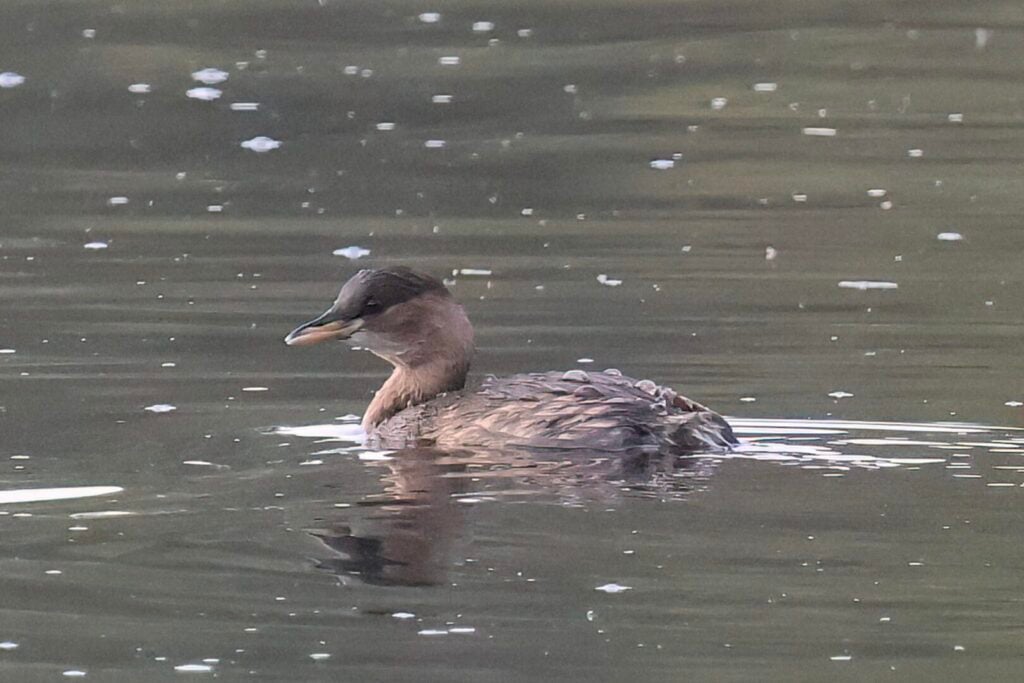
Our first destination this morning was Wells Woods. With the wind in the east, we wanted to see if any migrants had dropped in overnight. As we walked in, past the boating lake, we could see lots of Little Grebes out on the water. We stopped to scan. Nice to see four Tufted Ducks, now back for the winter hopefully. There were several Mallard, as usual, and a single Teal. A Little Egret was stalking along the shore right at the back. One of the group spotted a Water Rail creeping along the edge of the reeds in the near corner always nice to actually see one.
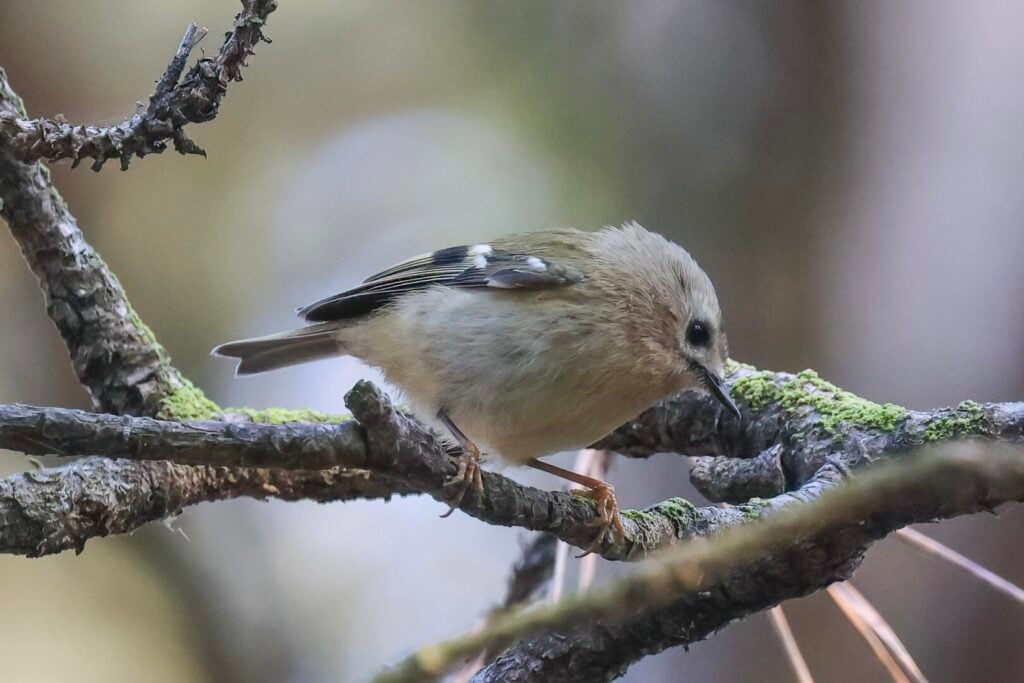
As we walked in through the birches, it seemed rather quiet at first. As ever, most of the birds here go around in large mixed flocks at this time of year. We hadn’t gone too far when we came across a couple of Goldcrests. As we stood and watched, they were followed by a large tit flock. Lots of Long-tailed Tits, Blue and Great Tits, several Coal Tits, a brief Treecreeper and a Chiffchaff. Then the flock moved off deeper in.
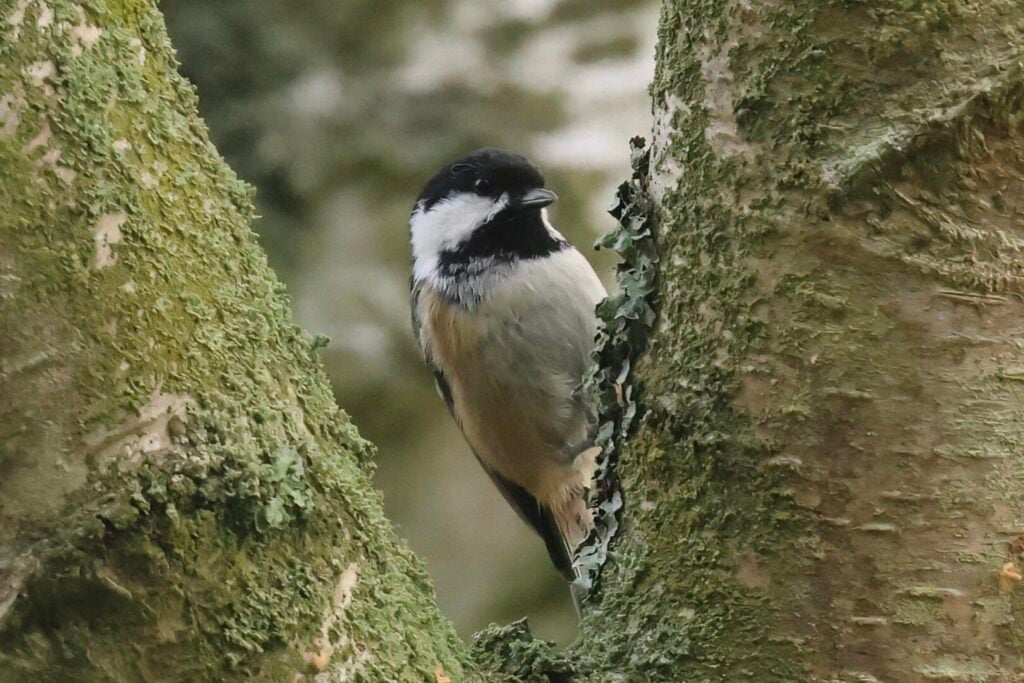
As we walked on to the edge of the Dell, a couple of Chaffinches flew over calling. It was slightly surprising there were not many finches in trees today. Taking the path around the east side, we found the tit flock again. Great views of Goldcrests low in a birch right in front of us. Better views of Treecreeper now too, with two of the on the stump of a gnarled old birch by the path. Another Chiffchaff flicked through the leaves above.
Out onto the main track, we could hear Redwings and Fieldfares calling. A Fieldfare flew off from the top of the poplars by the back of the boating lake. As we walked on, a couple of Blackbirds dropped in. Then a flock of Redwings flew in over the trees and landed in the pines directly ahead of us. Probably just arriving in off the sea from Scandinavia, there were clearly some thrushes coming in this morning.
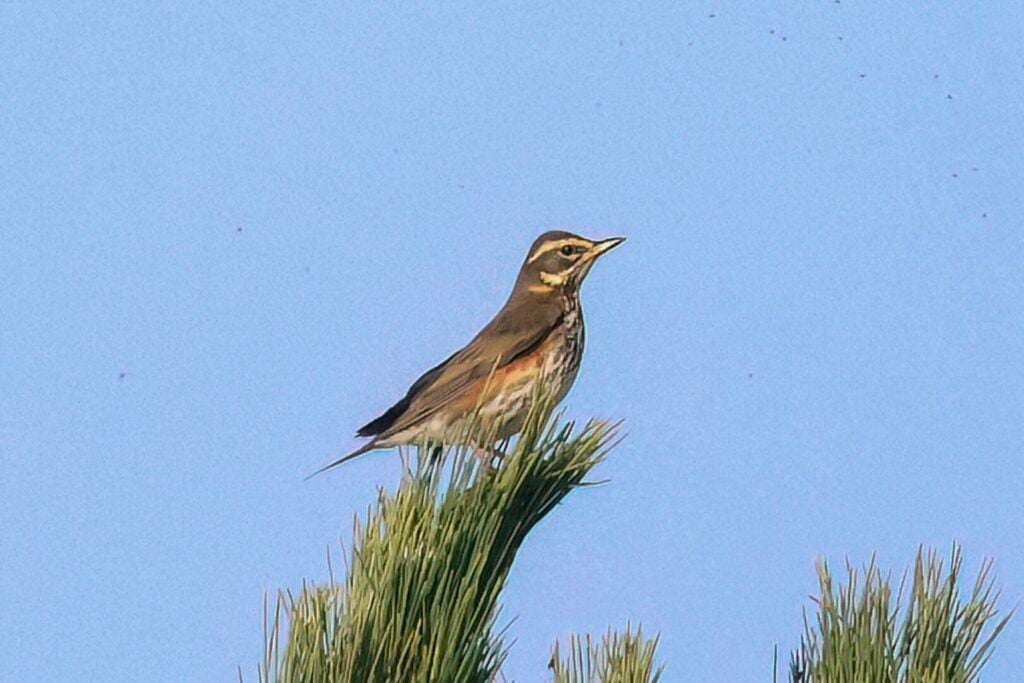
We cut in to the open area south of the track. There were still Redwings calling in the trees, but otherwise there didn’t seem to be many other obvious migrants. Lots of Woodpigeons were out on the field beyond and flew up as we walked over towards the fence. A couple of Stonechats were perched on a distant hedge line. A couple of Bullfinches were calling quietly from the bushes behind us but remained well hidden. As we walked on, several Blackbirds flushed out of the bushes ahead of us, more migrants.
Back round to the main track, a couple of Great Spotted Woodpeckers flew out of the pines calling and one landed in the top of a dead tree. We walked on to the Drinking Pool where there were several more Goldcrests and Coal Tits in the trees, and another Treecreeper. More Redwings flew over but otherwise there were no obvious migrants here.
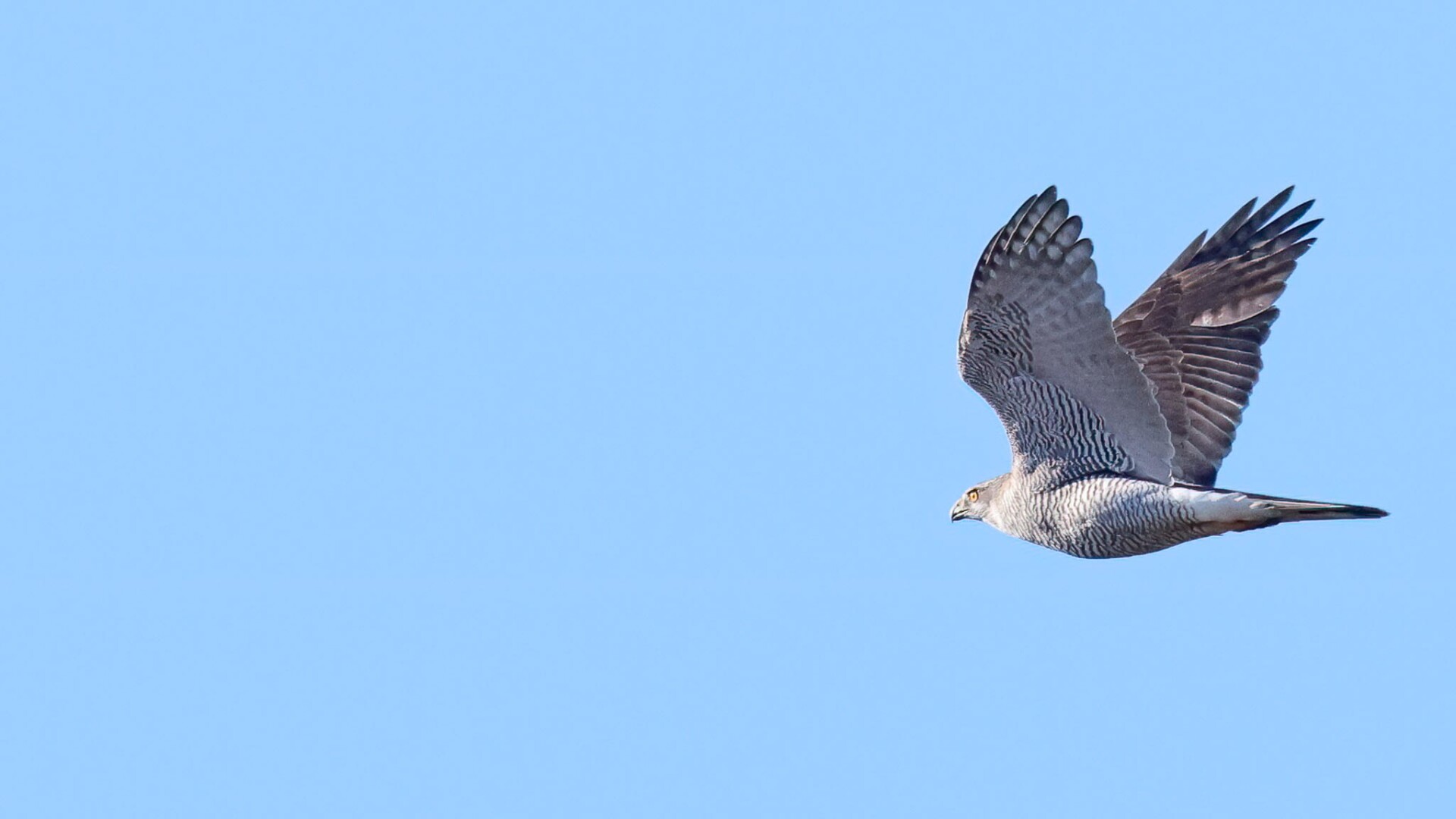
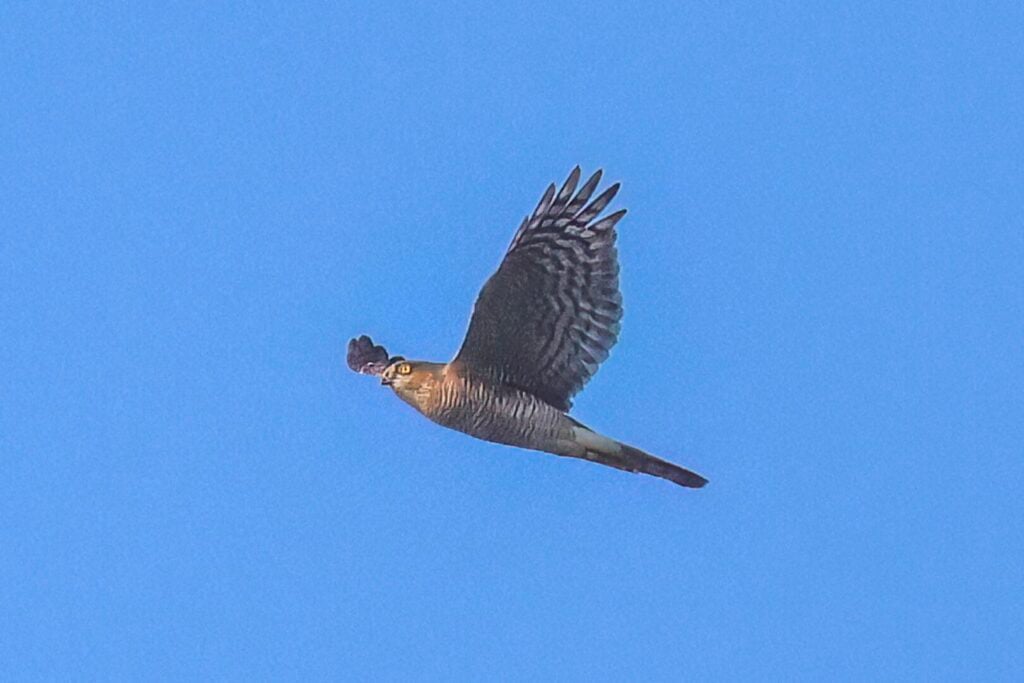
Back out onto the main track again, a Sparrowhawk flew up over the pines ahead. As we watched it circling up over the track, we noticed at least fifty thrushes really high up in the sky beyond. As we watched, they dropped vertically down towards the woods. More Redwings and Blackbirds just coming in, impressive to see.
A Common Buzzard was sunning itself on a fence post out on the far side of the field to the south. Three more Stonechats were further along. We continued on a little further west, checking the trees. No sign of any migrants but we did find lots of Jays. At least seven flew straight towards us, over our heads, and continued on east. A couple were carrying acorns in their bills. It looked like they were on the move today.
As we turned to come back, a Chiffchaff flicked up in the bushes by the track now. It flew across in front of us and we found it again in the oak trees on the other side of the path. The only warbler we could find here today.
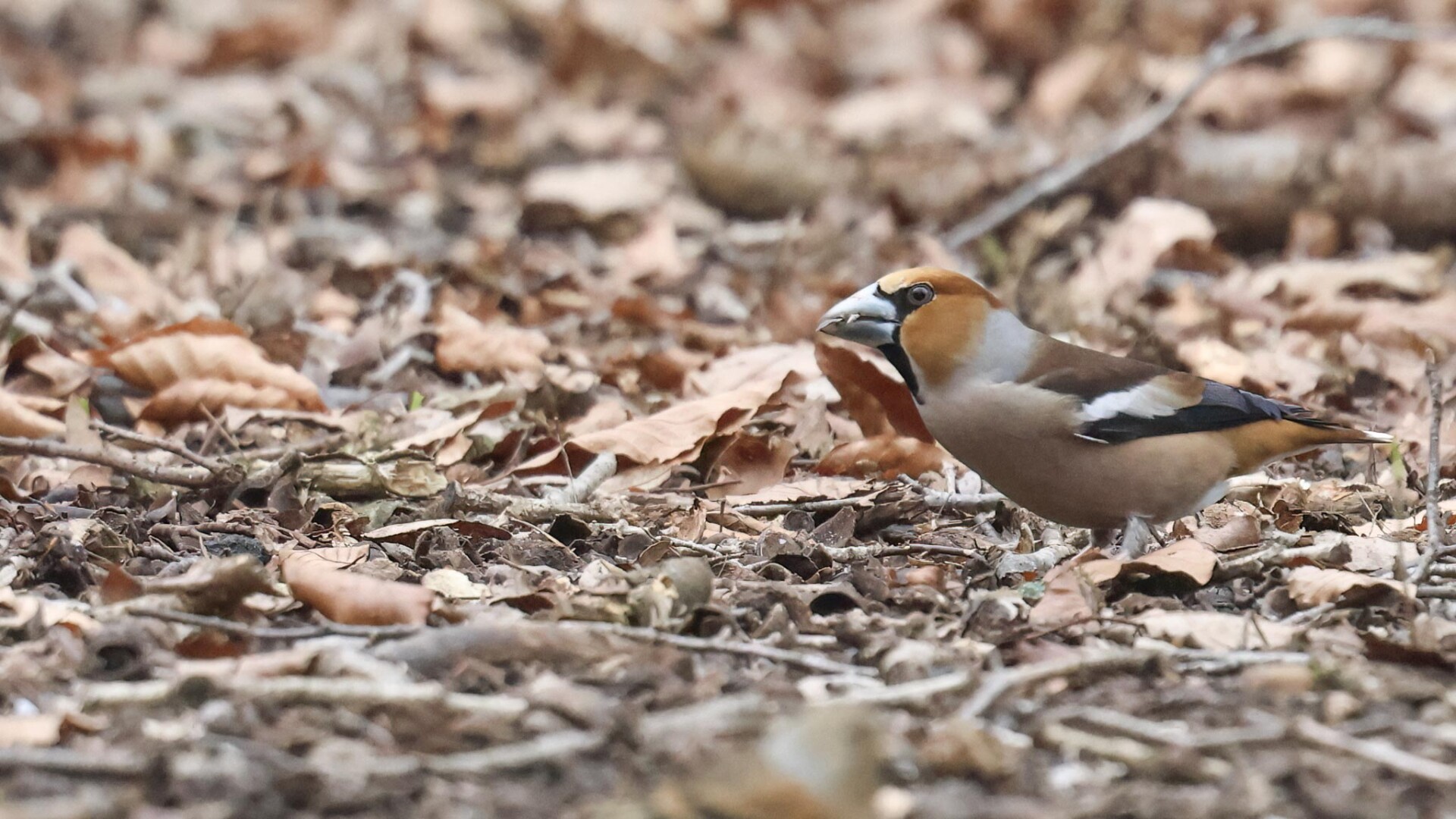
We cut in round the west side of the Dell. There had been a Yellow-browed Warbler in here yesterday but no sign of it today. More Goldcrests and Coal Tits. We heard a Brambling call but it was probably flying over. Back out through the birches, there was no sign of the tit flock we had seen here earlier. Surprisingly the only tit flock we had found this morning. But we were almost back to the boating lake, when we found several Siskins feeding in the birches now.
We stopped again by the boating lake. A single moulting drake Pintail feeding on the water was a more unusual species to find on here.
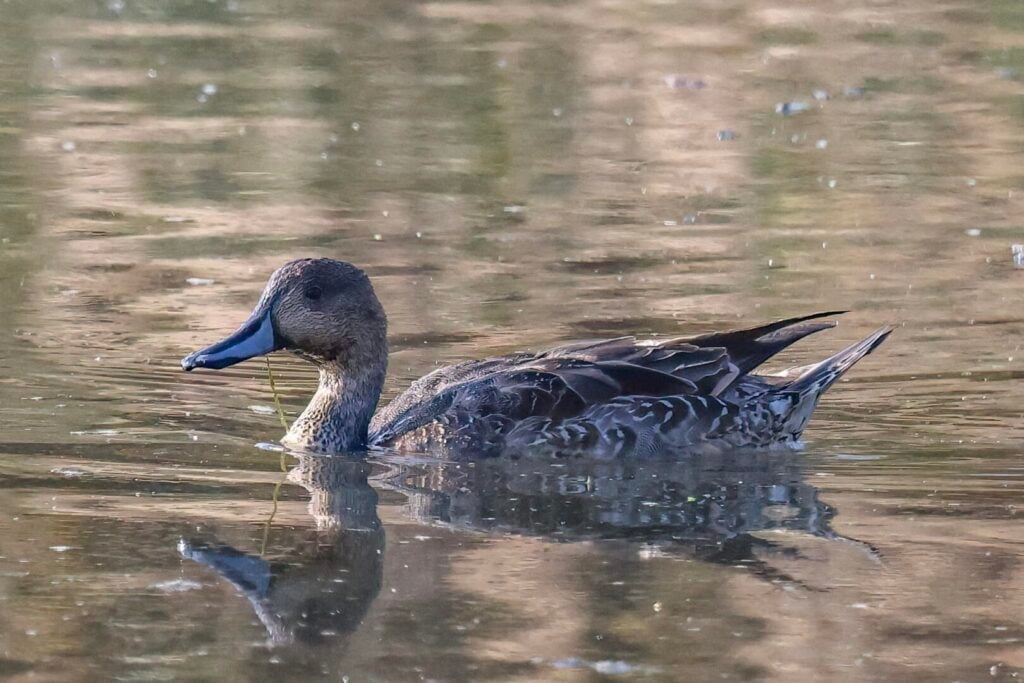
It was warming up nicely now. We dropped off our coats in the minibus and walked on round to the harbour. While some went to use the facilities, we scanned the channel from the harbour wall by the RNLI station. A group of eight Red-breasted Mergansers was diving out by the tern raft. When everyone had gathered again, we walked on out to the slipway to scan the outer channel.
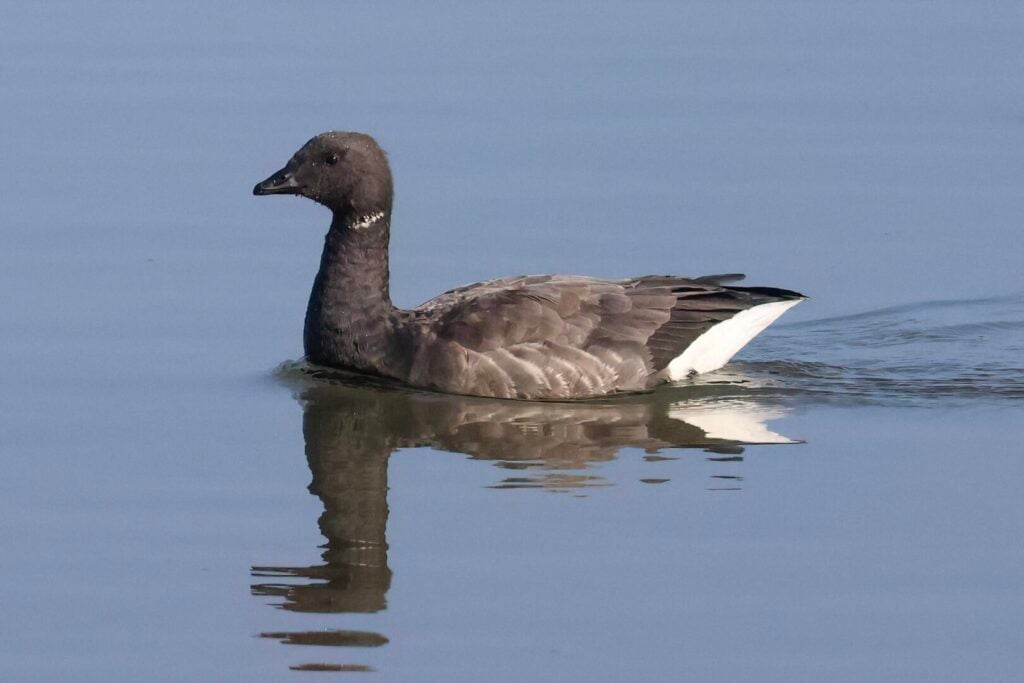
The tide was only slowly going out, not really far enough yet. There was nothing else obvious in the channel apart from a couple of very close Brent Geese. Lovely in the sunshine. We could see lots of waders right over on the far side. Scanning through with the scopes, we found lots of Oystercatchers, large flocks of Knot, Grey Plover, Dunlin, Redshank, a few Ringed Plover, several Bar-tailed Godwits and Curlew. Some large groups of silvery grey Sanderling were further out too.
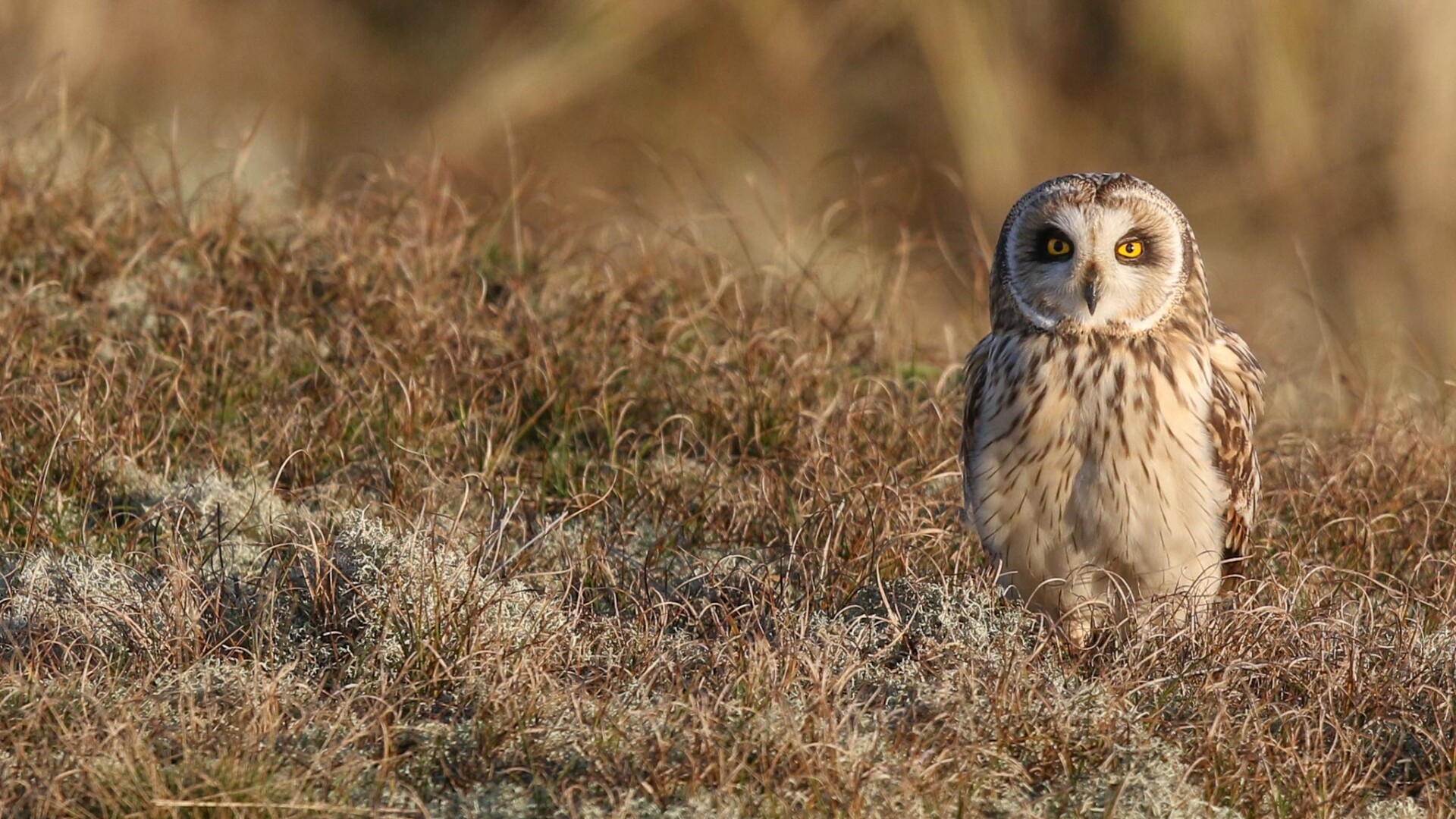
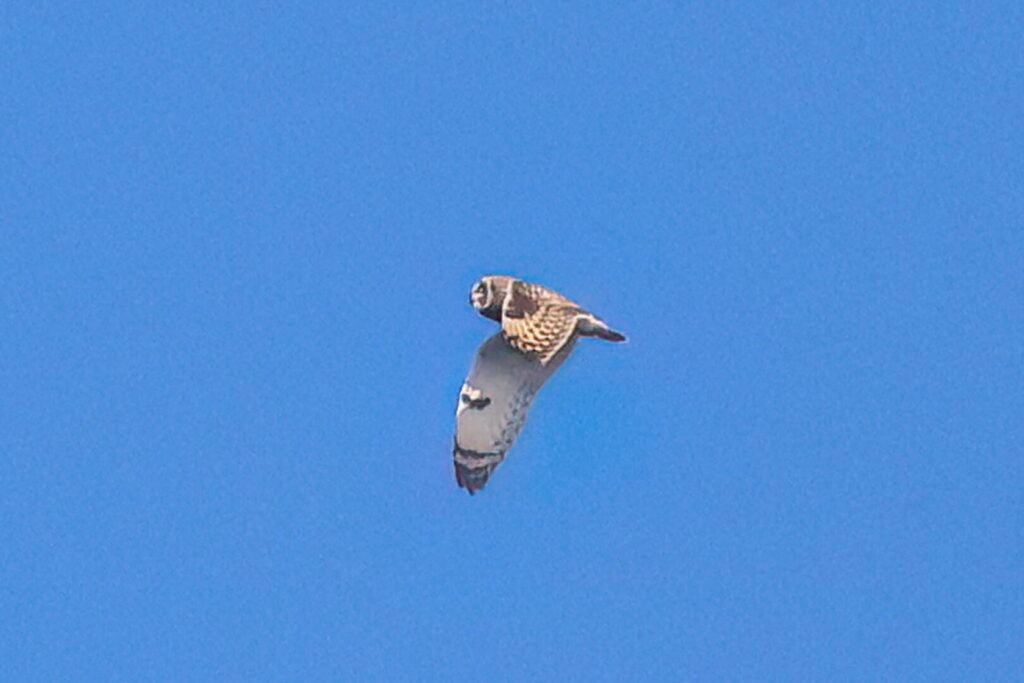
When some of the flocks of Knot and Grey Plover took off and started to whirl round over the harbour, we scanned the skies. We quickly found out what had spooked them. A Short-eared Owl was high over the sand on the north side of East Hills, being pursued by two Red Kites. They circled round and round, the Short-eared Owl trying to gain height. Periodically one of the Kites caught up with it and stooped at it repeatedly.
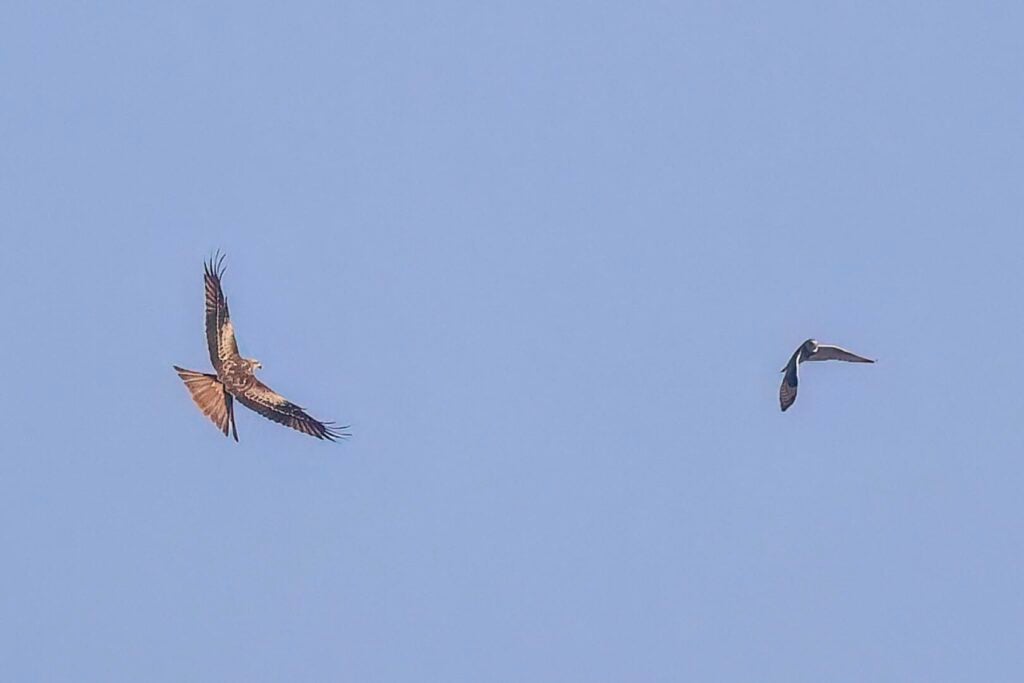
The Short-eared Owl circled higher and higher. More Red Kites joined in, five in the air below it at one point and a disinterested Buzzard circling up with them. Eventually, the Owl gained enough height and the Kites lost interest. The Owl turned and flew very high past us over the beach, disappearing off towards Holkham. Great for us to watch, but not a good welcome back to the UK for the Short-eared Owl. It had probably only just arrived in over the sea from Scandinavia!
It was very busy now at Wells, lots of people out for a walk on the beach. The plan was to go for a walk at Kelling after lunch. An Isabelline Wheatear had been found there late yesterday, too late for us to go immediately. It had been elusive earlier today but was finally relocated late morning. So we decided to drive back along the Coast Road to Cley and use the picnic area there again.
It was lovely in the sunshine, like yesterday. A couple of Marsh Harriers drifted back and forth out over the scrapes. We heard lots of Pink-footed Geese calling and looked over to see thousands flying in from the direction of Blakeney Freshes. The same birds we had seen loafing there yesterday, something must have flushed them. An amazing sight, watching them flying in over the reserve before dropping down on over on the far side.
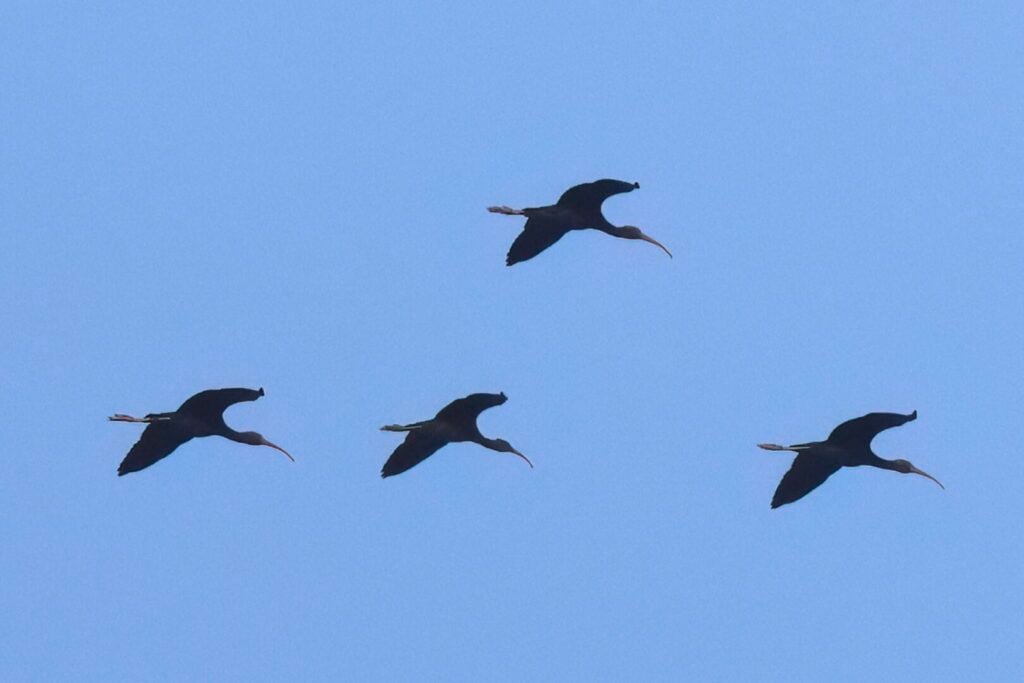
Then one of the group spotted the four Glossy Ibis flying in too. They looked to be dropping down towards the scrapes but we lost sight of them behind the hedge and didn’t see which way they went.
After lunch, we drove round to Kelling. It was rather busy in the village but we managed to find somewhere to park. Then we set off up to walk the lane. Stopping to scan at the gate, there were two Song Thrushes on the grassy slope beyond, presumably migrants. Several Red-legged Partridges were there too. A Common Darter landed on one of the group’s hat – still some around in the late autumn sunshine.
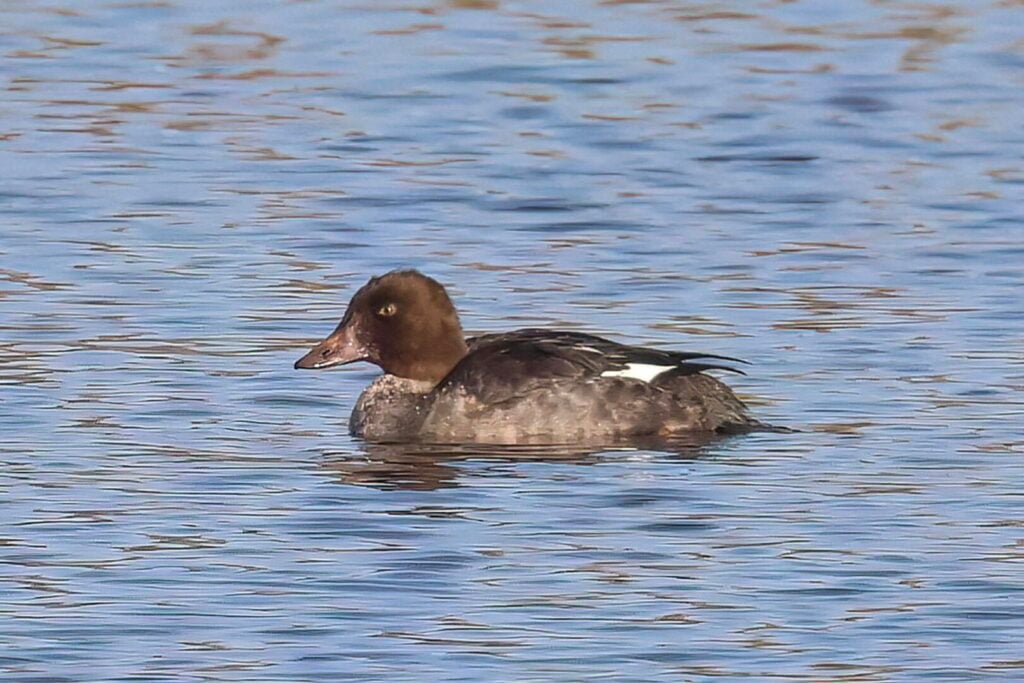
We stopped briefly further down to check the pool. There were the usual ducks on the water and round the edges but it was more unusual to have a single Goldeneye diving out in the middle here too. It was with another duck, which a photographer there was quite insistent was a Scaup but it was just a young Tufted Duck. Having asked us what we thought, he then didn’t like the answer!
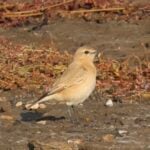
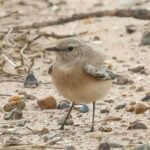
We were told by some of the locals that the Isabelline Wheatear was best viewed from the corner of Meadow Lane, so we carried on down. It was obvious straight away, a very pale sandy bird out in the middle of the dried up pool on the NOA section of the Quags. Nice views through the scopes. It was very actively feeding, running around on the dry mud.
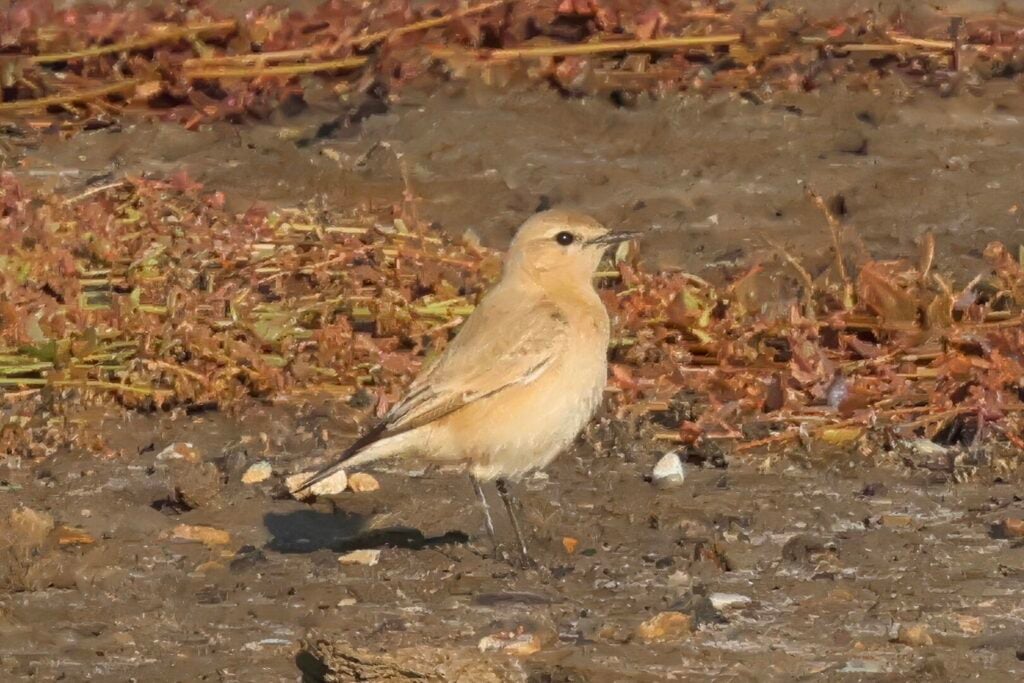
A rare but increasing visitor here, Isabelline Wheatear is a steppe species, breeding from SE Europe, through the Middle East to Central Asia. It winters mainly in Africa, Arabia and across to NW India. Nice of it to hang around so we could see it today.
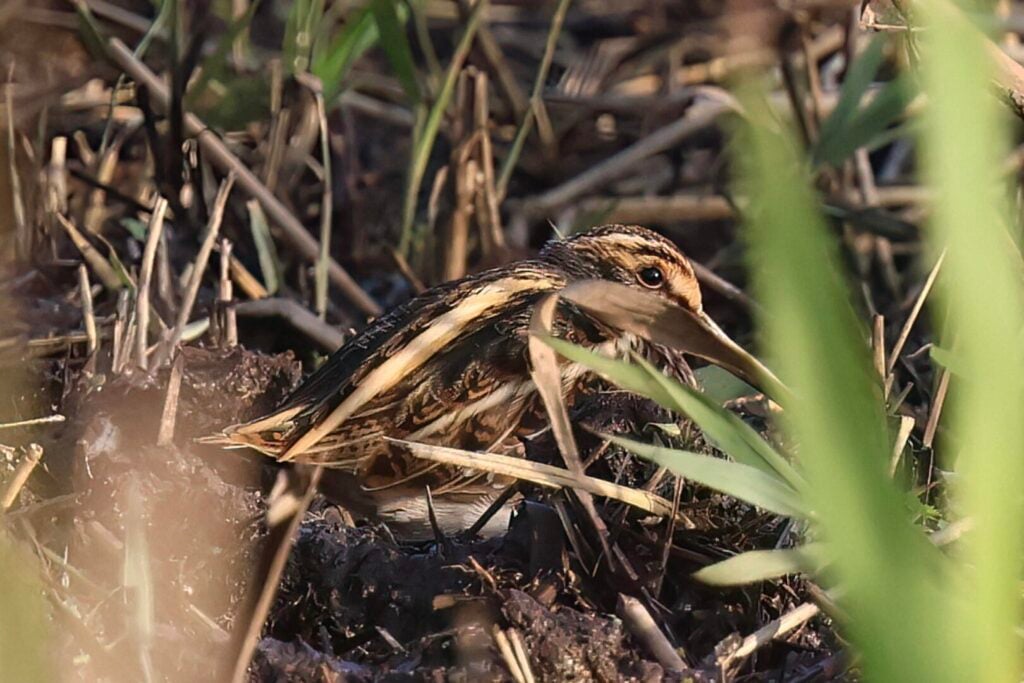
Having watched the Isabelline Wheatear for a while, we walked back to the crosstracks. A quick scan around the edge of the pool and we found what we were looking for – a Jack Snipe. It was hard to see at first, disappearing behind a clump of reeds as we all tried to get onto it. We could just see an eye looking back out at us. Then, after a few minutes, it came back out feeding. Great to watch it doing its distinctive incessant bobbing.
We had thought about going on to scan the beach for the Black Guillemot which had been there earlier but there had been no reports for a few hours. No one coming back from that way had been to check. With time limited, we decided to walk back. Two Fieldfares were now on the grassy field to the east of the Water Meadow pool. We stopped and got them in the scopes.
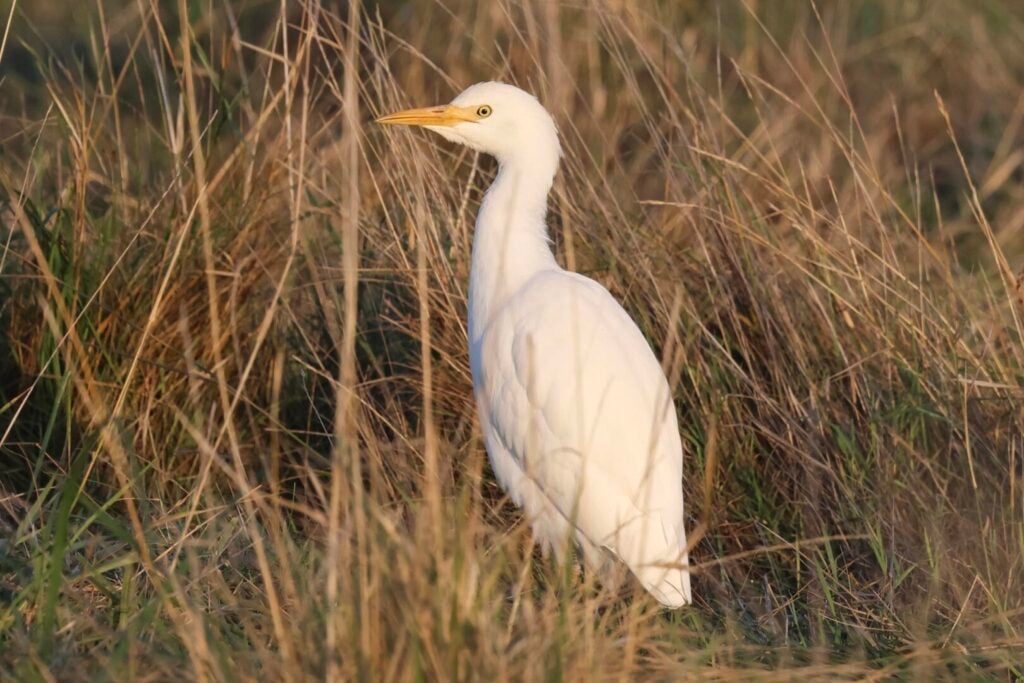
We decided to drive back to Salthouse. There had been some Twite there earlier, feeding out by the beach west of Little Eye. We parked in the village and took the footpath out across the marshes, hoping to minimise the amount of walking we would have to do across the shingle. A couple of very close Cattle Egrets were with cows right by the track, along with a Grey Heron.
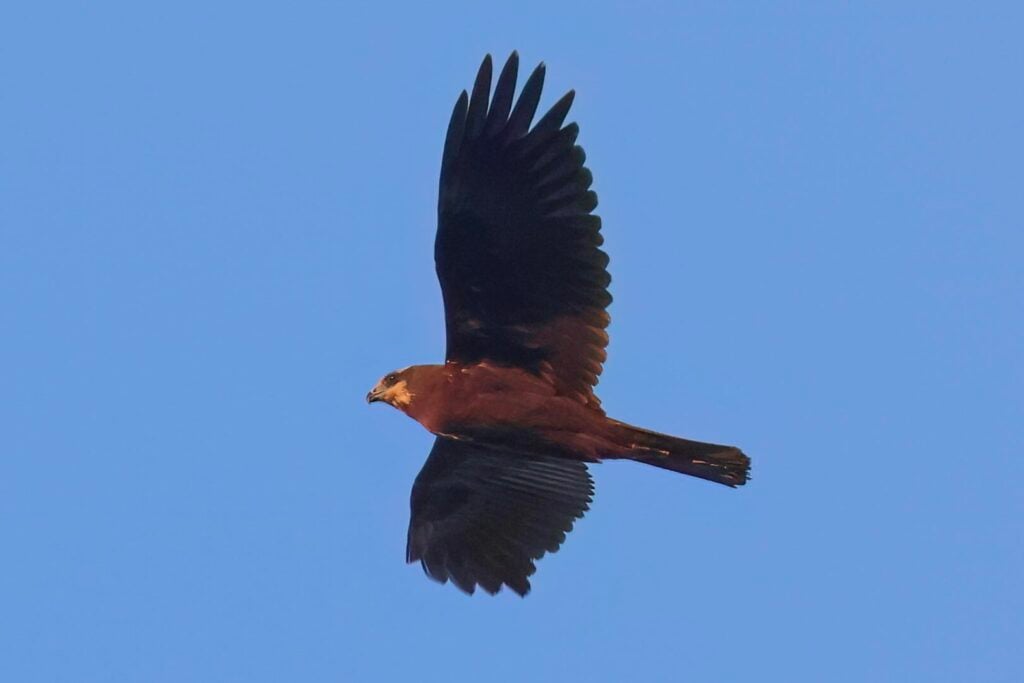
A dark juvenile Marsh Harrier flew over, heading west. Presuming it was on its way to Cley, getting ready to go to roost in the reedbed.
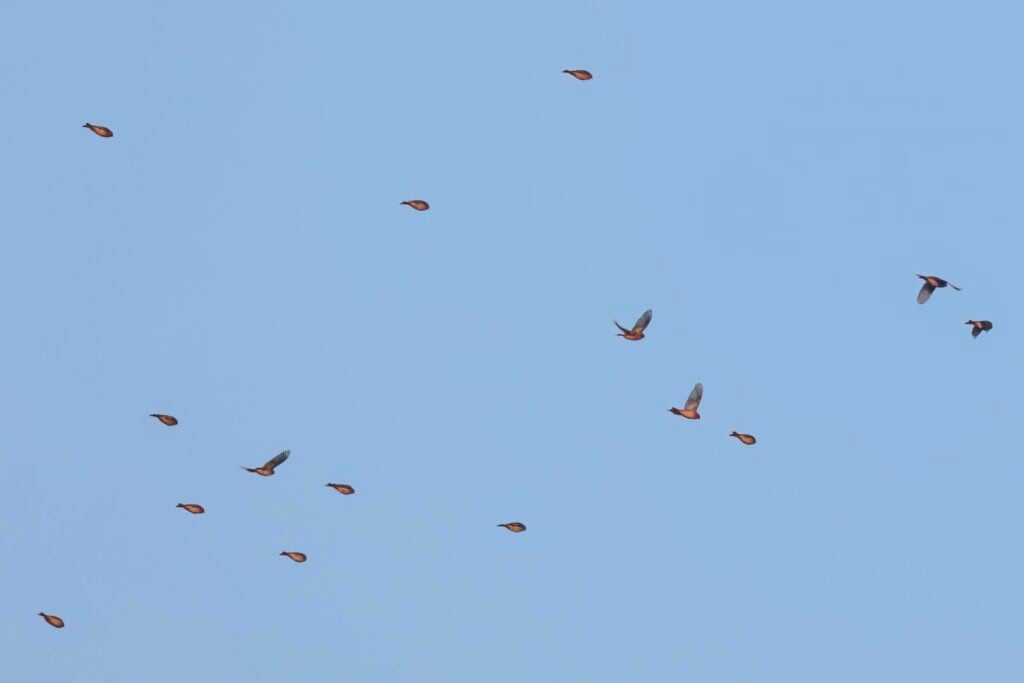
We had a message to say that the Twite had moved. They were now close to the north end of Beach Road, so it would have been quicker to walk from there. But as we continued out, we saw them fly in and land on the edge of a muddy pool out in the middle of the grazing marsh to the east of the track. We got them in the scope and had some quick views before they flew back and landed in the grass behind. Then they took off and we watched them fly back and land by Beach Road again.
It was already late, and there was not much time to go on anywhere else now. So we decided to drive round to Beach Road and try for closer views of the Twite. As we parked and were just getting out, the Twite flew up from just behind the beach. We watched them heading off to the east over the marshes. Then they turned and came back right over our heads. They continued on, towards the village, circled round a couple of times then flew back out towards Little Eye. We eventually lost sight of them as they headed off west.
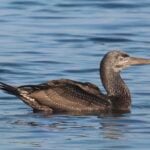
We decided to have a quick look at the sea, to see if there was any sign of a Black Guillemot from here. As we scanned, there were still several juvenile Gannets offshore, a couple loafing on the water. Lots of Razorbills were out here too, and a couple of Red-throated Divers, similar to yesterday.
We picked up a flock of Common Scoter flying in from the NE. They were distant and head on at first, but as they got closer we could see there were two Velvet Scoters in with them. The white in their wings really stood out. The Scoter flock circled round offshore and looked like they might land but then flew on west. We also picked up three Red-breasted Mergansers flying in from the NE. They did land on the sea, so we got them in the scopes as they gradually drifted off west past us.
While we were scanning the sea, a couple of the group picked up a heron flying past just to the south of us. One asked if Purple Heron was larger than Grey, but it is actually a little smaller and noticeably slimmer. We turned to look at it now, but by this stage it was disappearing off away from us and up in the sky against the last of the light behind. It looked dark but it was silhouetted and we couldn’t make out any colour or detail. Presumably just a Grey Heron.
A few minutes later, a message came through from someone at Gramborough Hill, just to the east of us. They had picked up the heron as it approached them and confirmed it was actually a Purple Heron! A nice one for the list but it would have been better if we had seen it coming. It had been seen early afternoon flying past Titchwell but not picked up anywhere else along the coast.
The sun had dipped below the horizon and the temperature was dropping quickly now. One last scan of the sea, then it was time to head back for tea and cake. Another day to look forward to tomorrow.