Not a tour but a 3-week birding trip to Brazil back in August. It is such a vast country, and with limited time available, we needed to focus on a small area. On this trip, we took in the famous Pantanal, Cerrado and up into the Amazon basin, mainly in Mato Grosso but briefly just into neighbouring Pará state. We were looking for some specific localised endemic birds, as well as the spectacular variety of mammals the area offers.
If you are interested in visiting Brazil, please let us know and we would be happy to see if we can arrange a tour there. In the meantime, we have introduced an exciting new itinerary for 2026 to Peru, which takes in many similar species to the Amazon basin which we saw in Brazil. You can read all about the Peru tour here.
Part 1 of this blog covers the initial part of our trip, to Jardim da Amazonia and the Brazilian Cerrado around Chapada dos Guimarães.
8th-11th August – Jardim da Amazonia
We flew to Brazil with LATAM, from London Heathrow to Sao Paulo. Then took a connecting flight on to the city of Cuiaba, where we rented a car. It was about a four hour drive to our first destination, the wonderful lodge at Jardim da Amazonia.
It was all going well until we stopped to get cash and found that none of our bank cards worked at the Banco de Brasil cash machines. Perhaps it was just that we hadn’t realised initially that the banking system in Brazil treats all debit cards as credit cards, so maybe we pressed the wrong buttons. Anyway, we had to press on cashless.
We figured we could get to our destination without stopping for fuel (if our cards weren’t working at all) and Raquel at JdA said she could help us get cash on arrival. We had read that the motorway toll booths accepted card payments but that turned out not to be the case and none of our hard currency would work either. So we had a tricky few minutes stuck at the toll with a growing line of vehicles behind us. Very many thanks to the lorry driver at the neighbouring booth who took pity and handed us a R$10 note from his window!
The rest of the journey was uneventful (as was the rest of the trip, thankfully). We drove for hours on end through huge open fields of soya stubble and cotton, where there would not that long ago have been endless rainforest. There were birds to see – lots of Greater Rheas and Blue-and-Yellow Macaws, several Fork-tailed Flycatchers and even our first Red-legged Seriema on the verge at one point. Unfortunately, we couldn’t stop and pressed on to our destination.
We arrived late afternoon, just enough time to have a quick look at the pools along the entrance track, check in at the lodge and then have a quick look at the river.
We had two full days at JdA and the morning of 11th and we were guided for much of it by Jonathan. The key species we wanted to see here was the endemic Cone-billed Tanager. Known only from a single specimen collected in 1938 and feared extinct until it was rediscovered in 2003. There are now known to be three small and apparently disjunct populations in the states of Goias, Mato Grosso and Pará. We took a boat with Jonathan and saw several upstream along the Rio Claro around Cunha Tai Pora on our last morning.
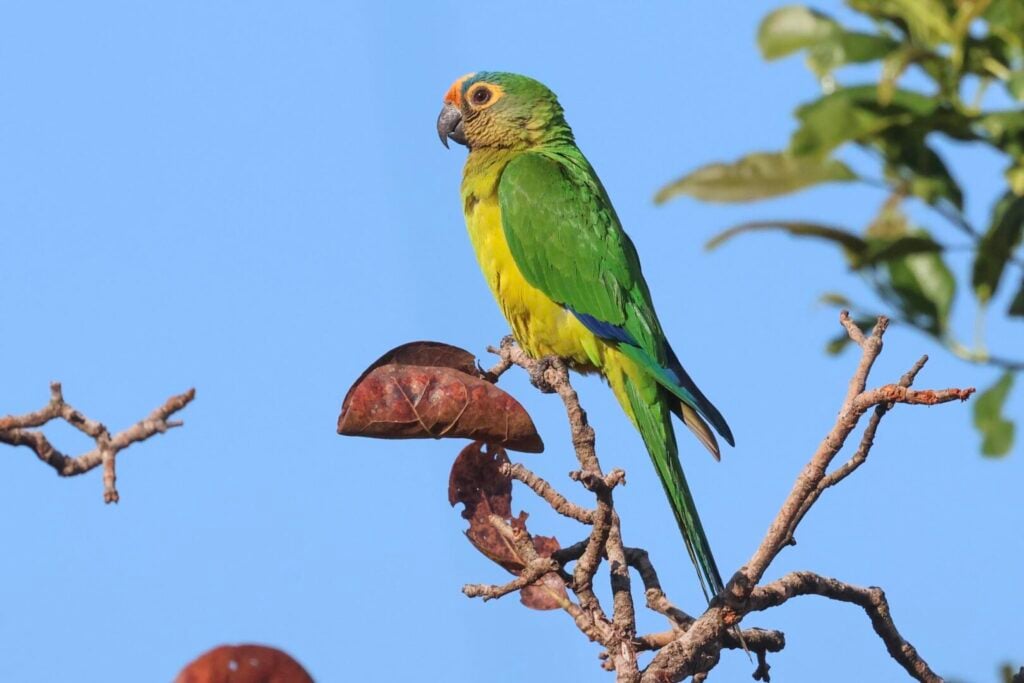
Jardim da Amazonia is also a great place to get good views of Orange-cheeked Parrot, as they come in to feed in the trees by the lodge.
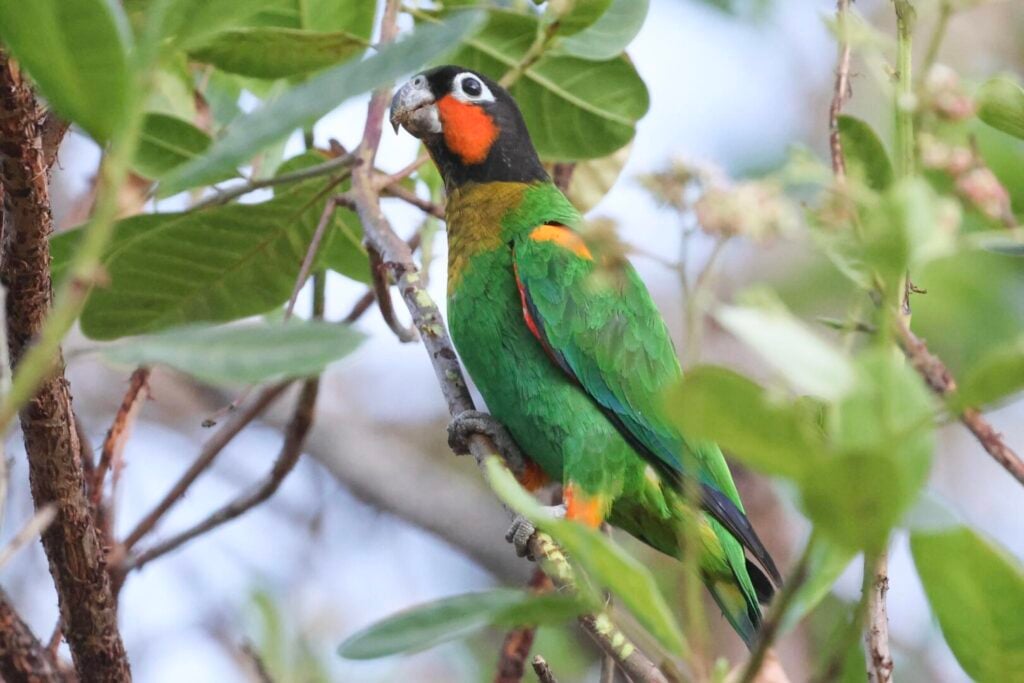
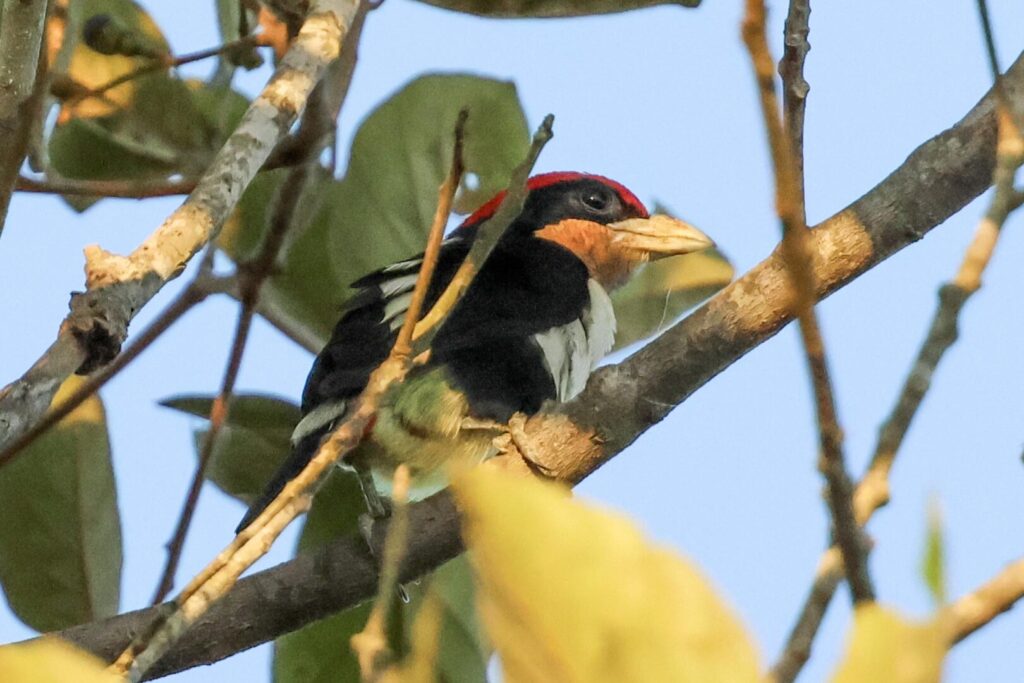
Our few days here gave us a great introduction to the birds of Brazilian southern Amazon basin. Some other highlights included Black-girdled Barbet, almost an endemic but its range just extends into Bolivia.
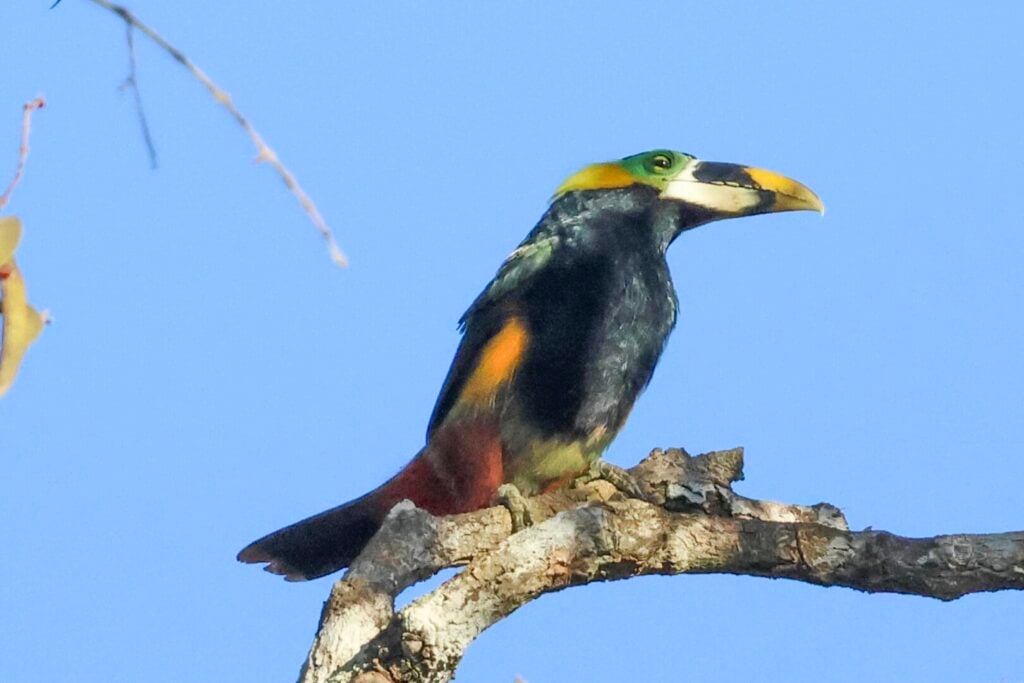
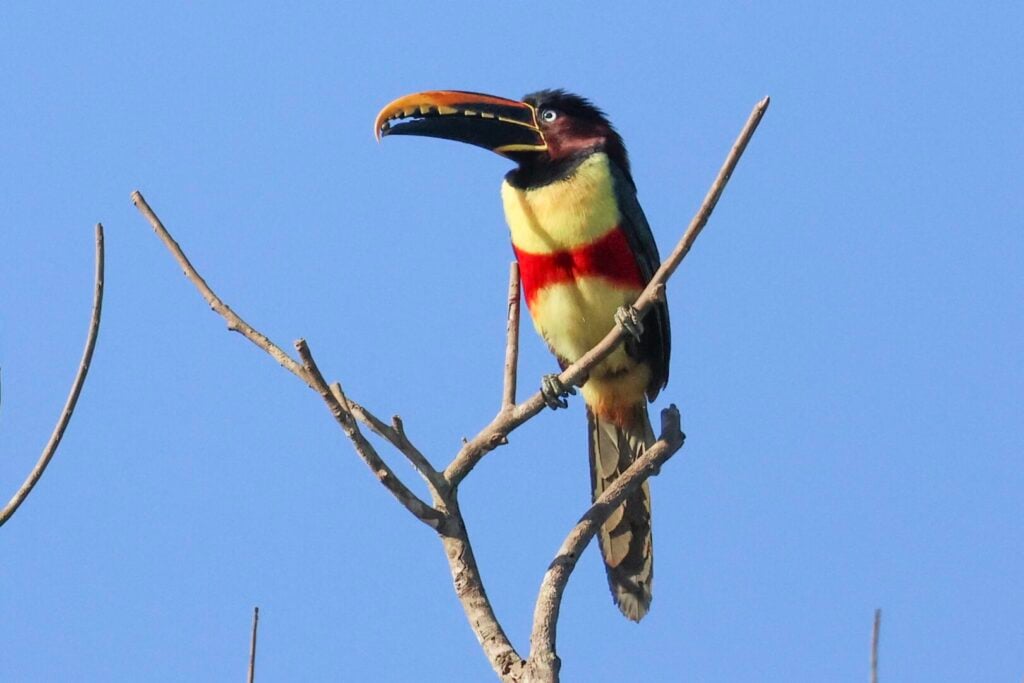
We caught up with various species of toucanet and aracari. Gould’s Toucanet is another near endemic, being also found in far eastern Bolivia.
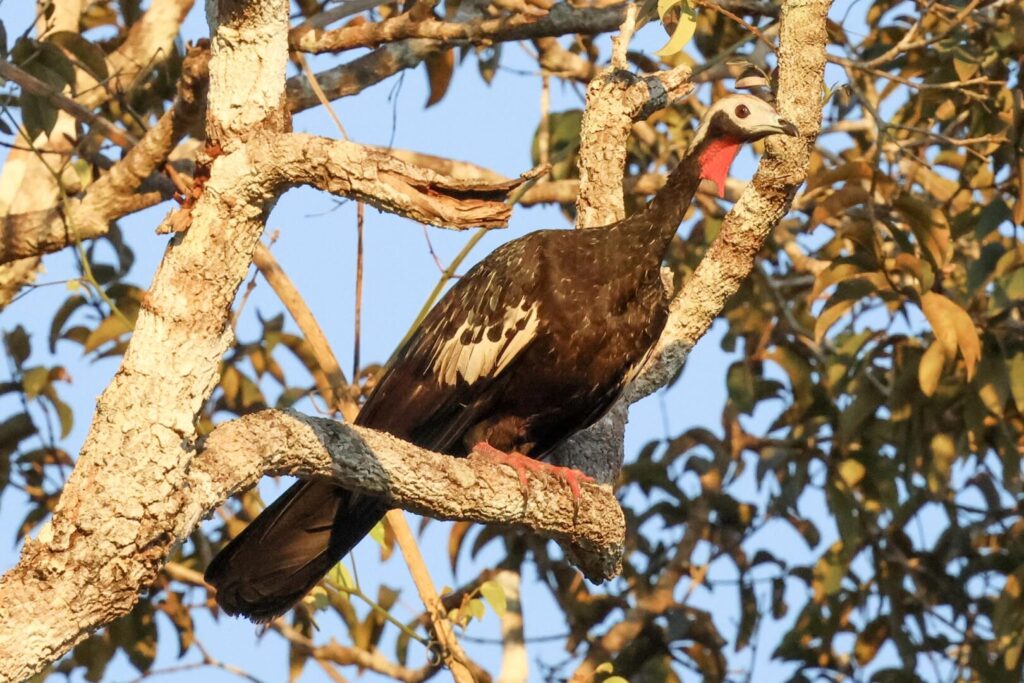
Red-throated Piping-Guan is another species which is mainly found in Brazil, but its range just extends into eastern Bolivia too. They were regular around the lodge and along the river.
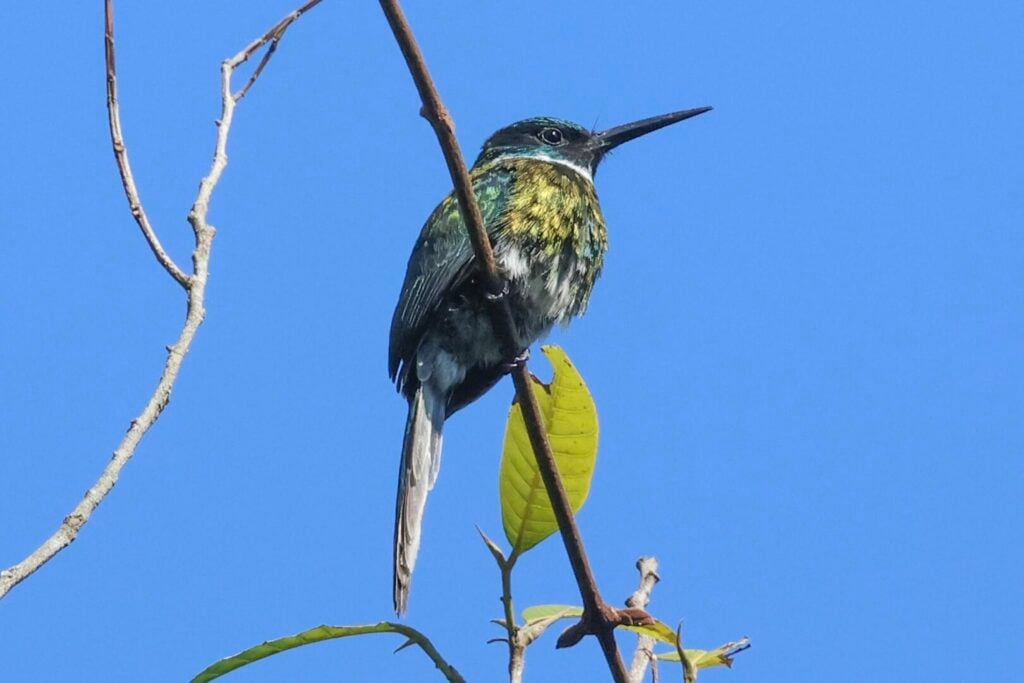
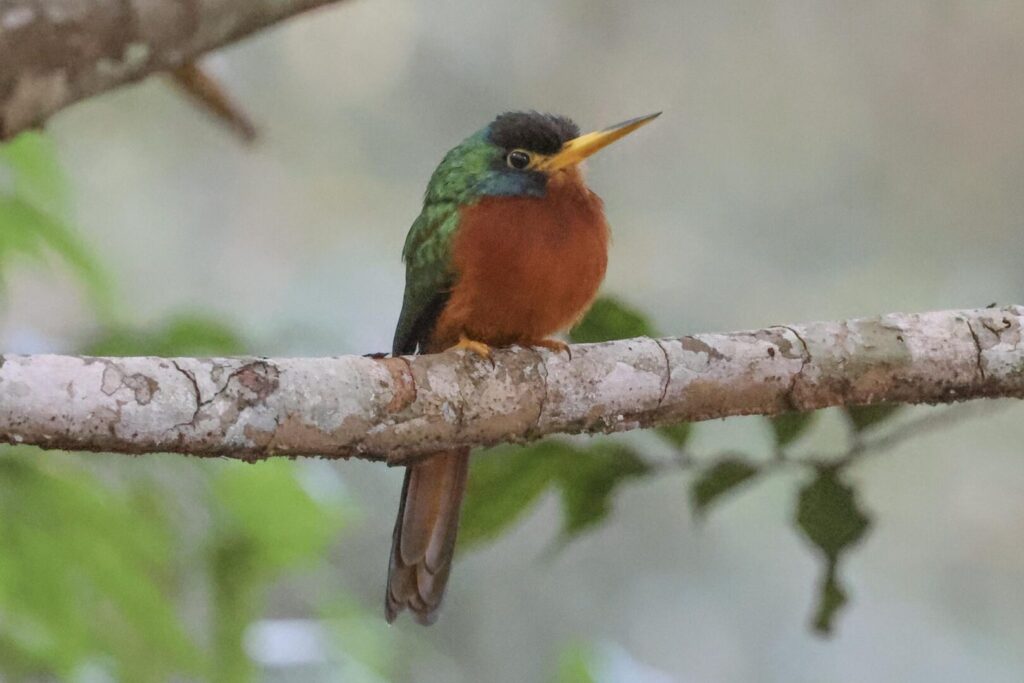
Jacamars are typical species of the neotropics and again we managed to see several species here.
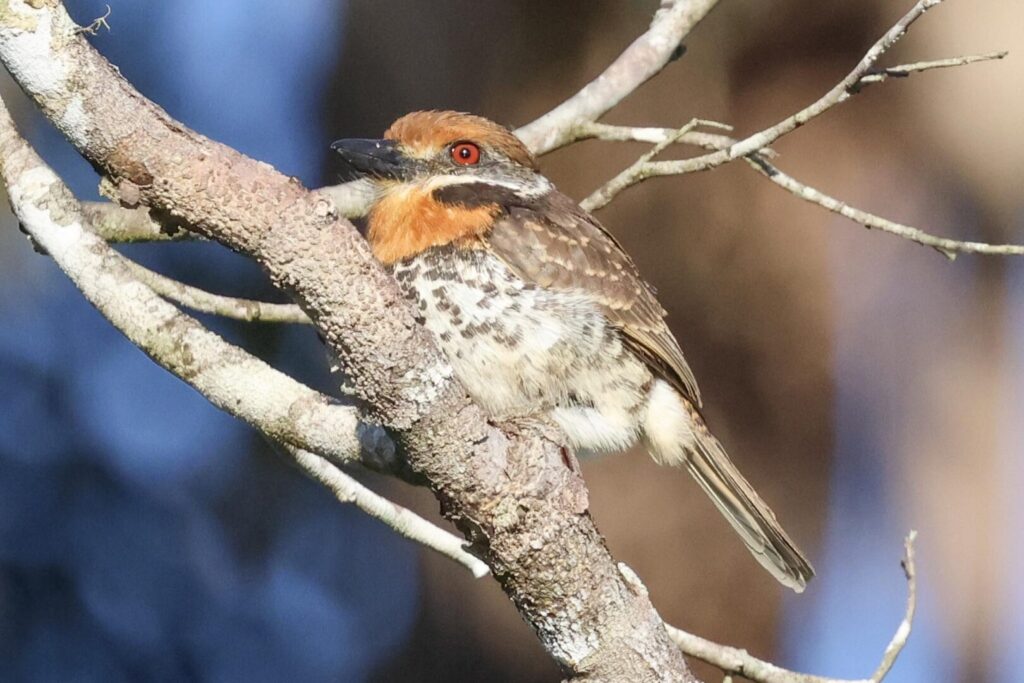
Puffbirds are always a favourite. Swallow-winged Puffbird is common; we managed to catch up with Spotted Puffbird at Cunha Tai Pora but only heard Eastern Striolated Puffbird.
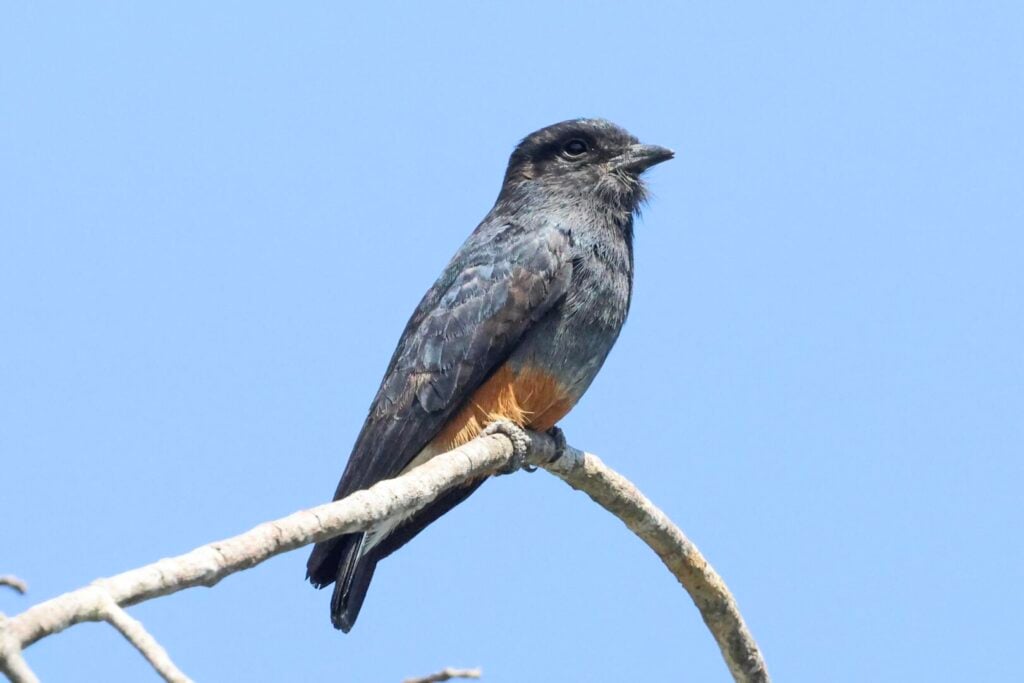
We managed to catch up with several species of Antshrike and Antbird, but most were in the darker parts of the forest, so not great for photos.
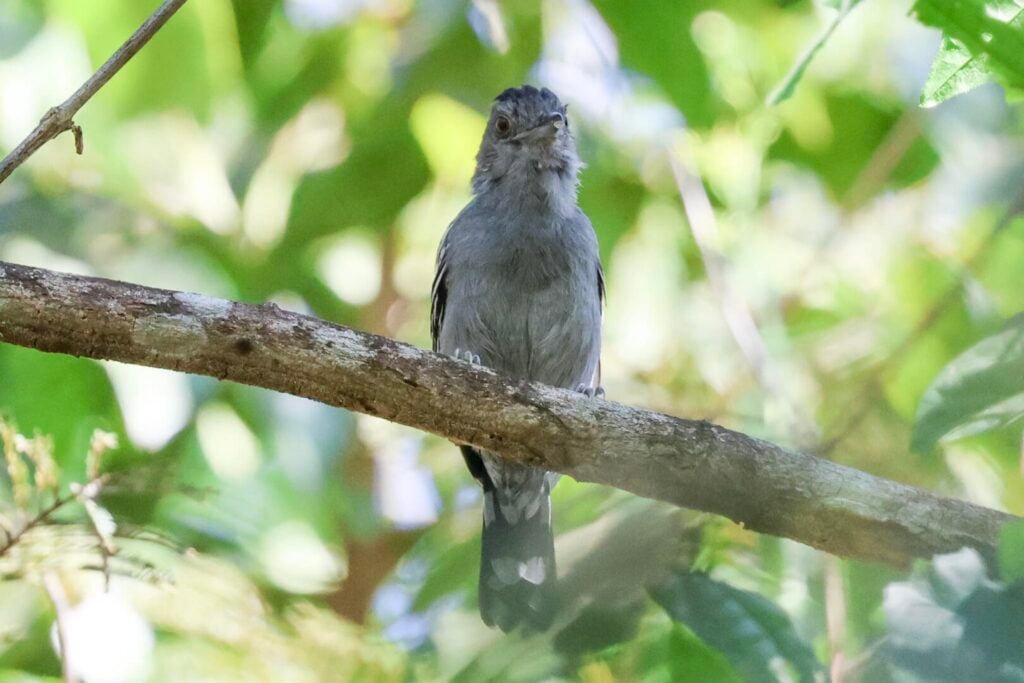
Point-tailed Palmcreeper is a specialist of Moriche palm stands where it can be hard to see as it creeps through the crown.
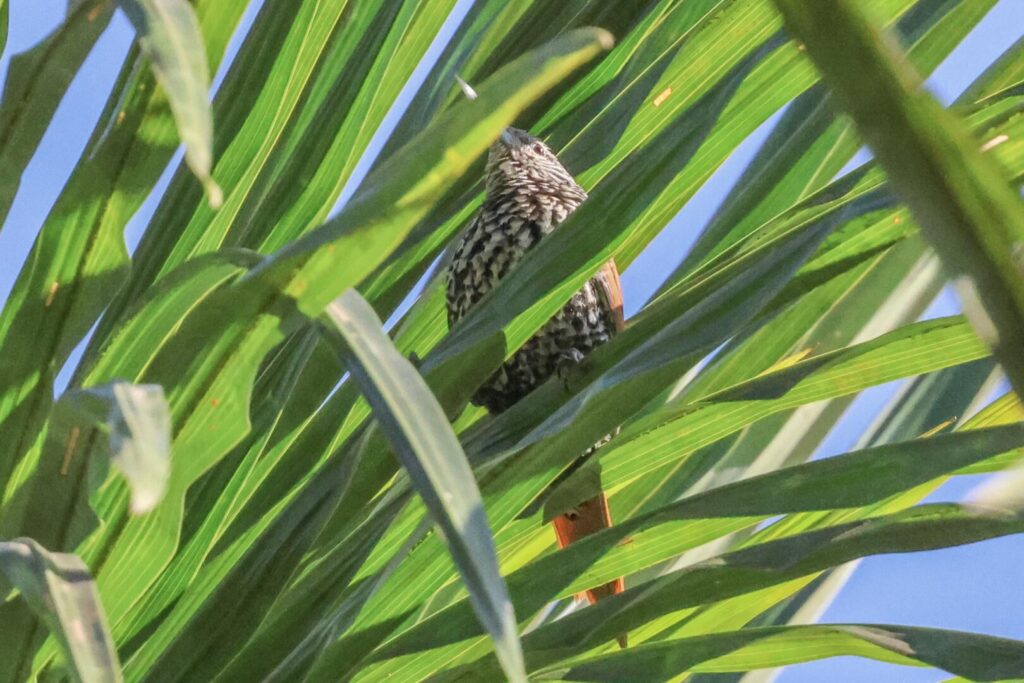
Bare-necked Fruitcrow was relatively common. We watched several in a fruiting tree by the road on an outing to the Arinos River.
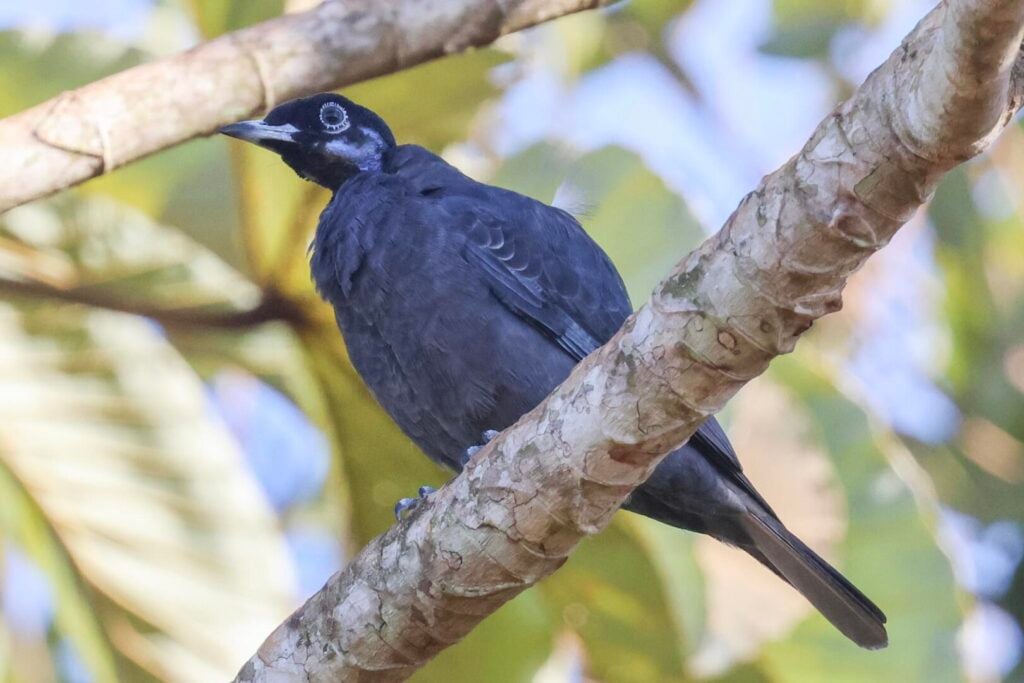
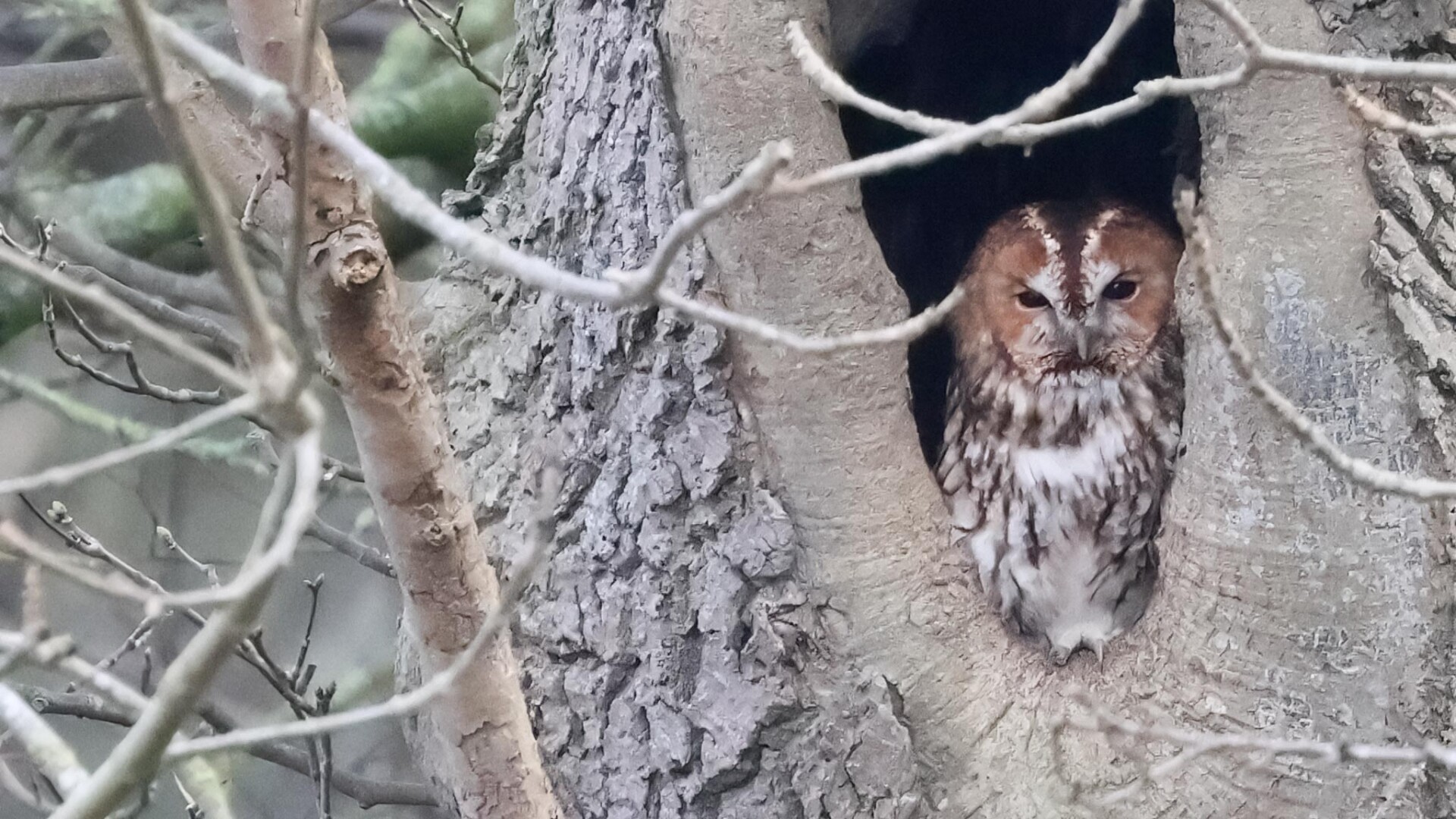
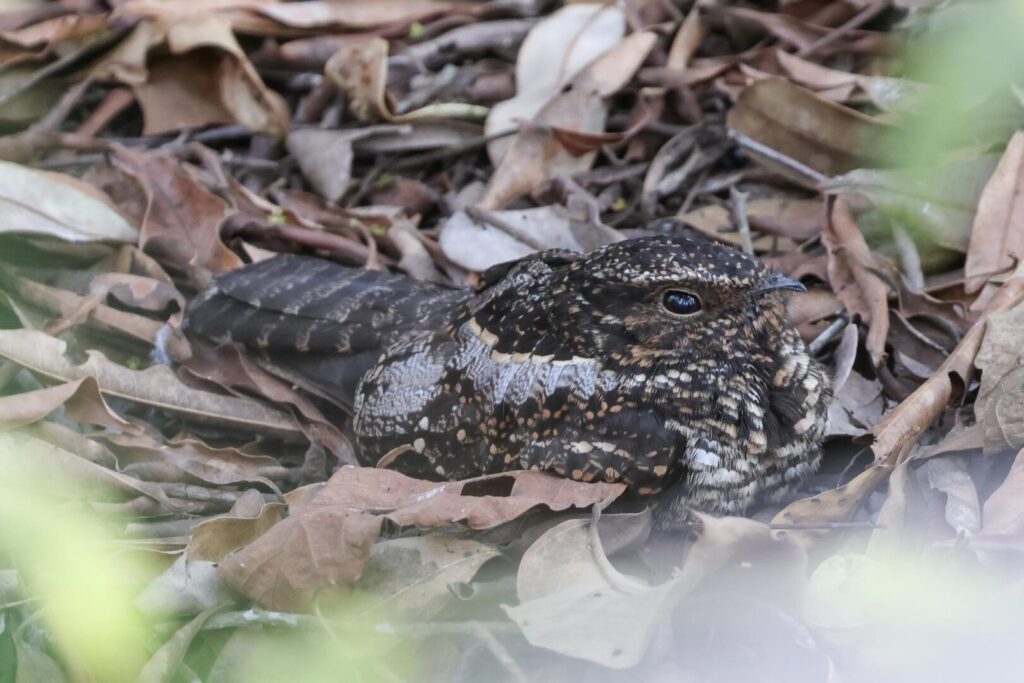
One afternoon, Jonathan found us a day roosting Blackish Nightjar in an area of dry forest. The same day, we walked back to the lodge as it was getting dark and managed to catch up with Little Nightjar, Ocellated Poorwill and Short-tailed Nighthawk, as well as several Common Pauraque. Just by the buildings, we also found a Tawny-bellied Screech Owl.
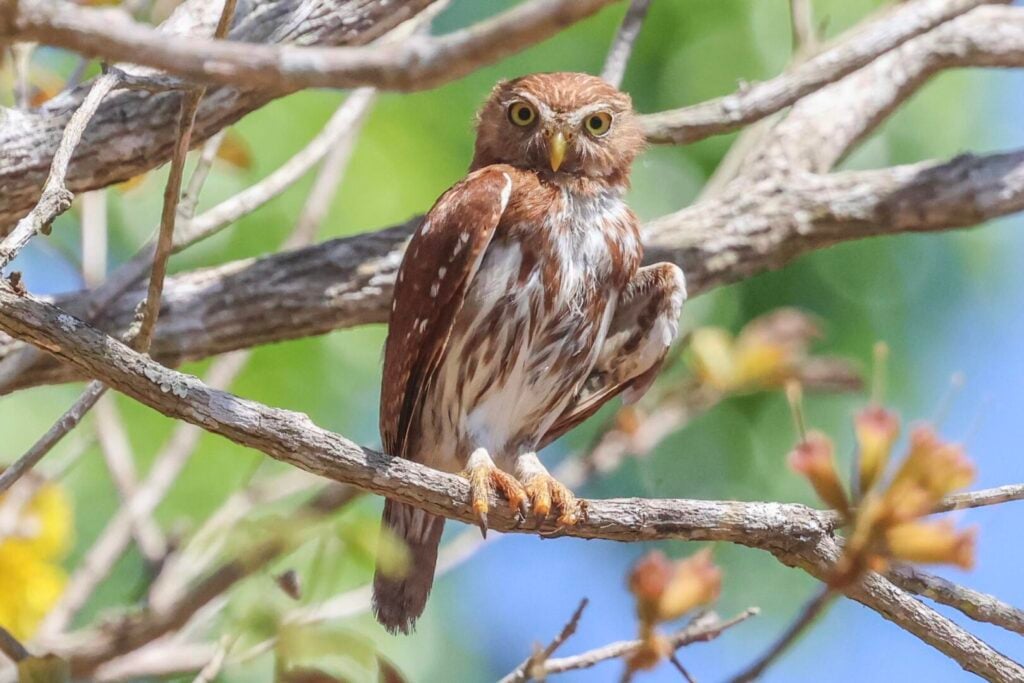
Ferruginous Pygmy Owl was relatively common and one showed particularly well in the trees between the accommodation blocks on our last morning.
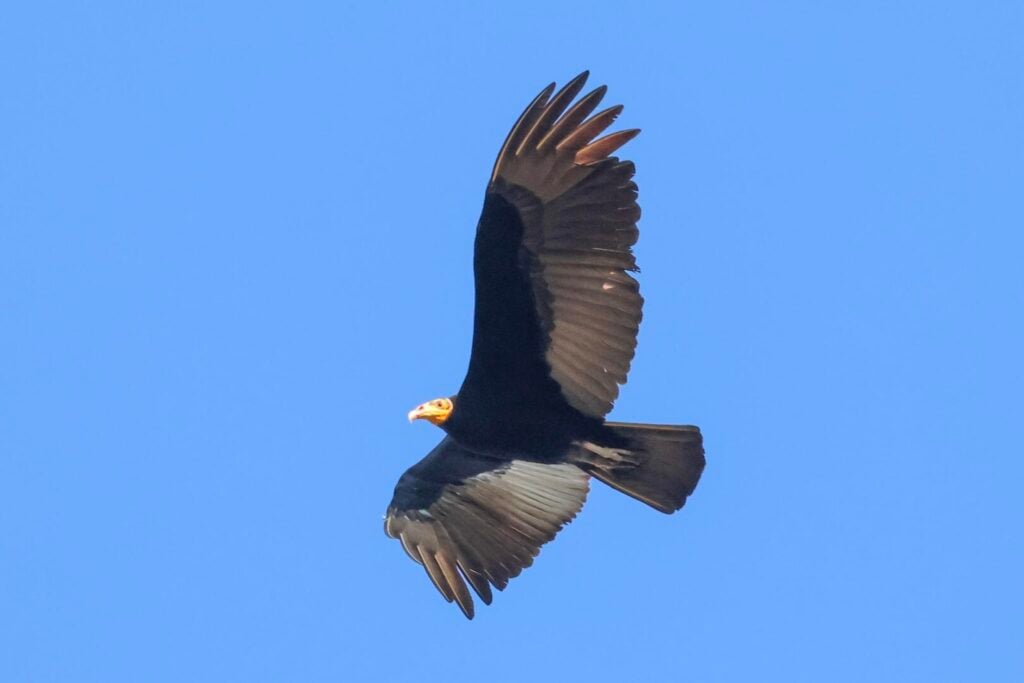
Greater Yellow-headed Vultures were regular over the forest. We also caught up with our first King Vultures along the river.
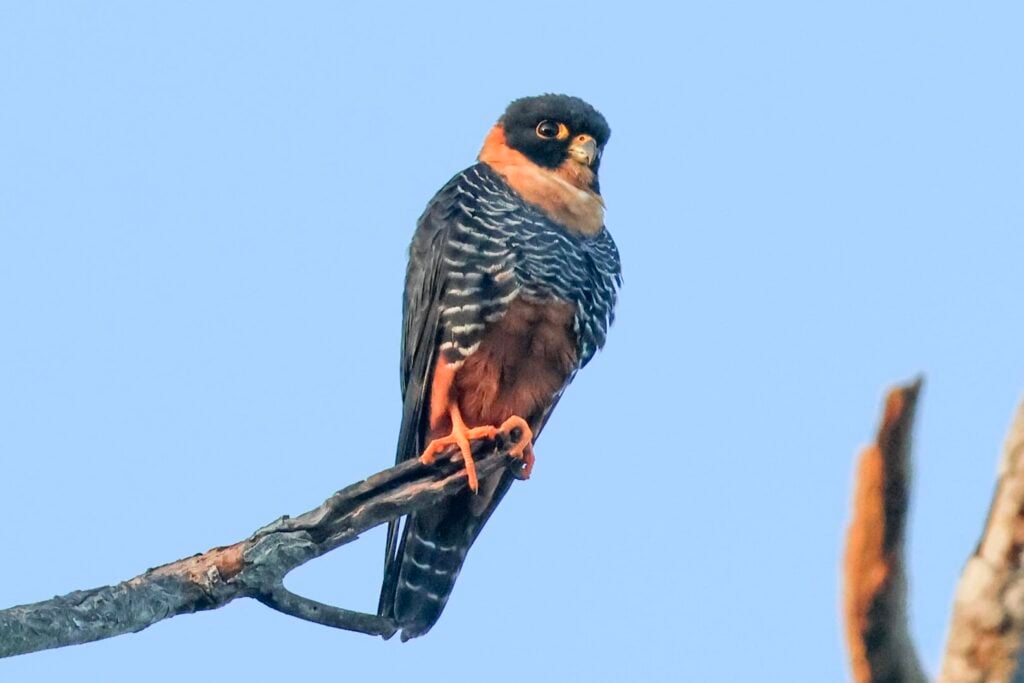
Out on the boat, we managed to find a Bat Falcon in the trees above the river.
White-banded Swallows were also regular over the river and around the pools beyond the lodge.
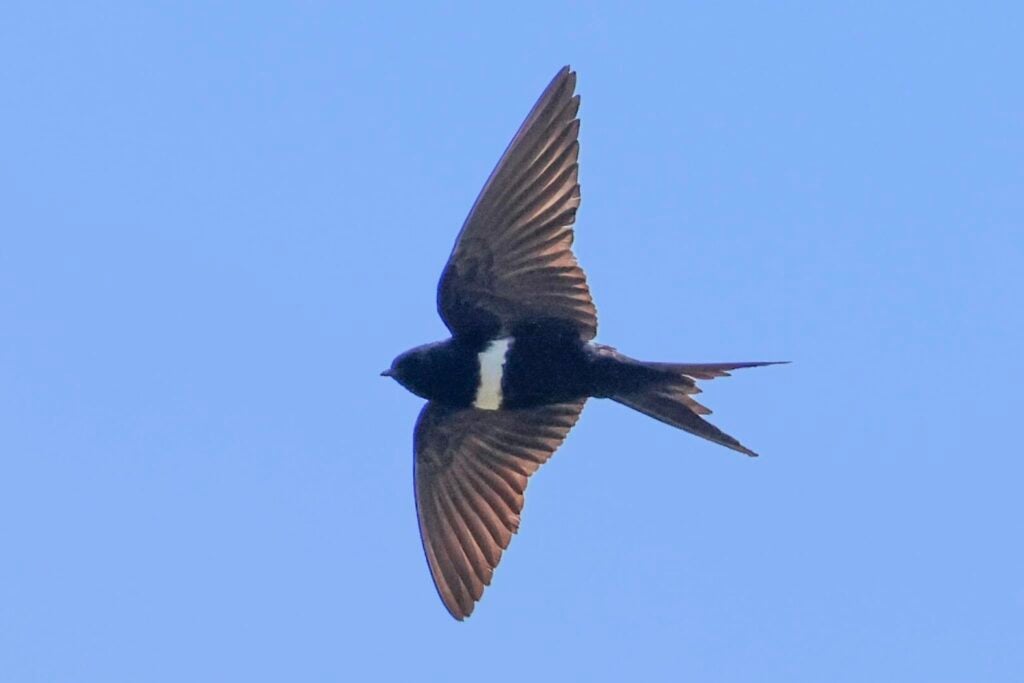
There were lots of the commoner, more widespread species too which we saw at Jardim da Amazonia. All in all, it was a great place to start our trip. A lovely lodge which we can certainly recommend highly.
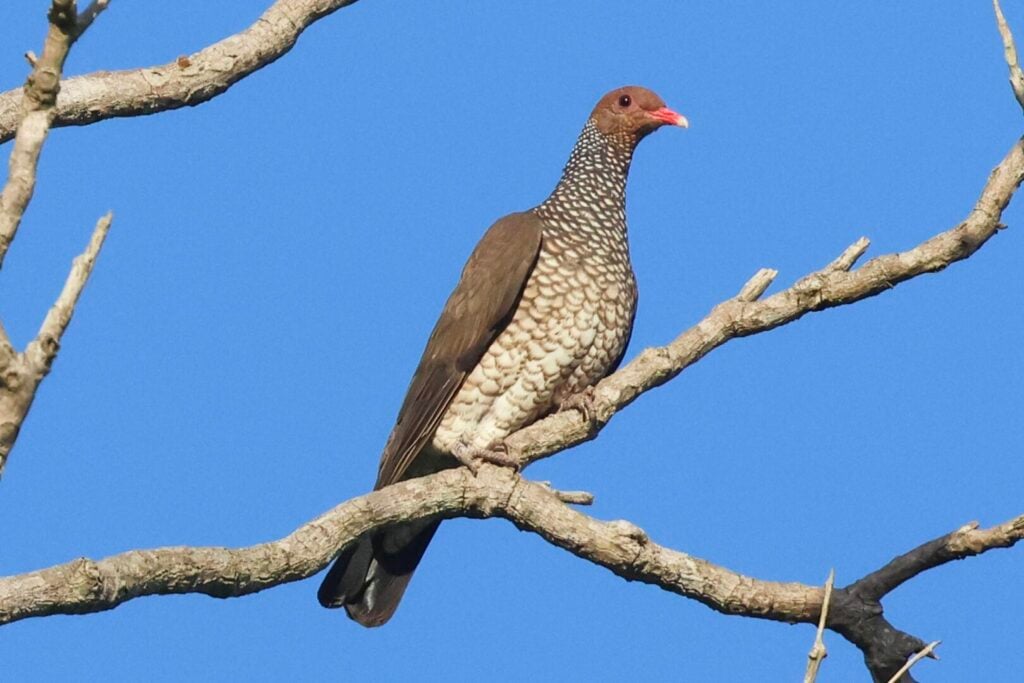
After our morning upriver for Cone-billed Tanager on 11th, we said goodbye to Jonathan and Raquel at Jardim and set off after lunch. There are not many filling stations along the road back to Cuiaba, the next one was apparently some 130km away. So we made a short diversion the wrong way first, to San Jose to fill up – with bioethanol.
11th-14th August – Chapada dos Guimarães
It was a long drive from San Jose, not helped by a road closure on the edge of Cuiaba which meant we had to divert in towards the centre and come back out again. We finally arrived at our accommodation in Chapada dos Guimarães, at Pousada Vento Sul, after dark. After dinner at the pizza place round the corner, we were tired and quickly fell asleep.
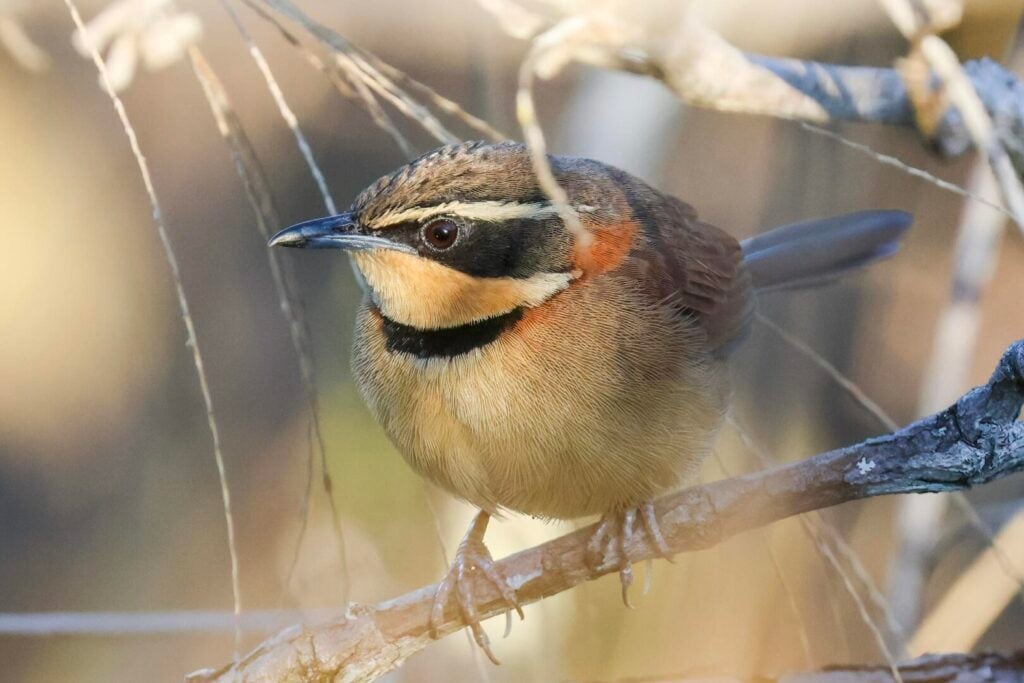
We set off before dawn to explore the cerrado, the woody savannah typical of Brazil. It is important to get out early here, as activity levels are highest before it starts to get hot. Our first destination was Estrada Caixa de Agua, where we were particularly hoping to catch up with Collared Crescentchest and several other range restricted typical cerrado species.
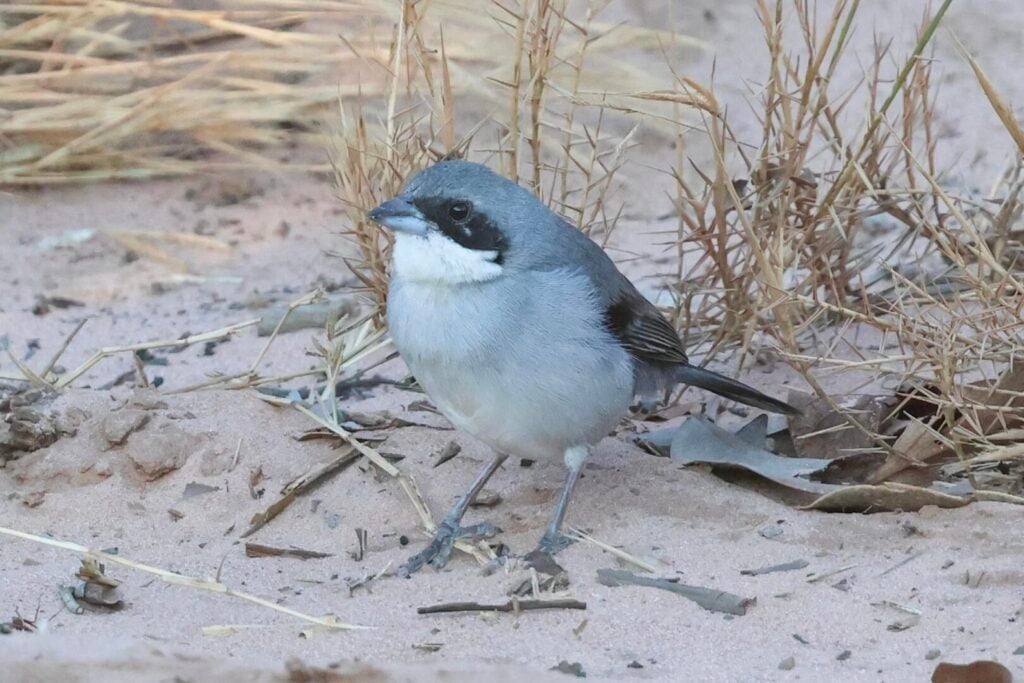
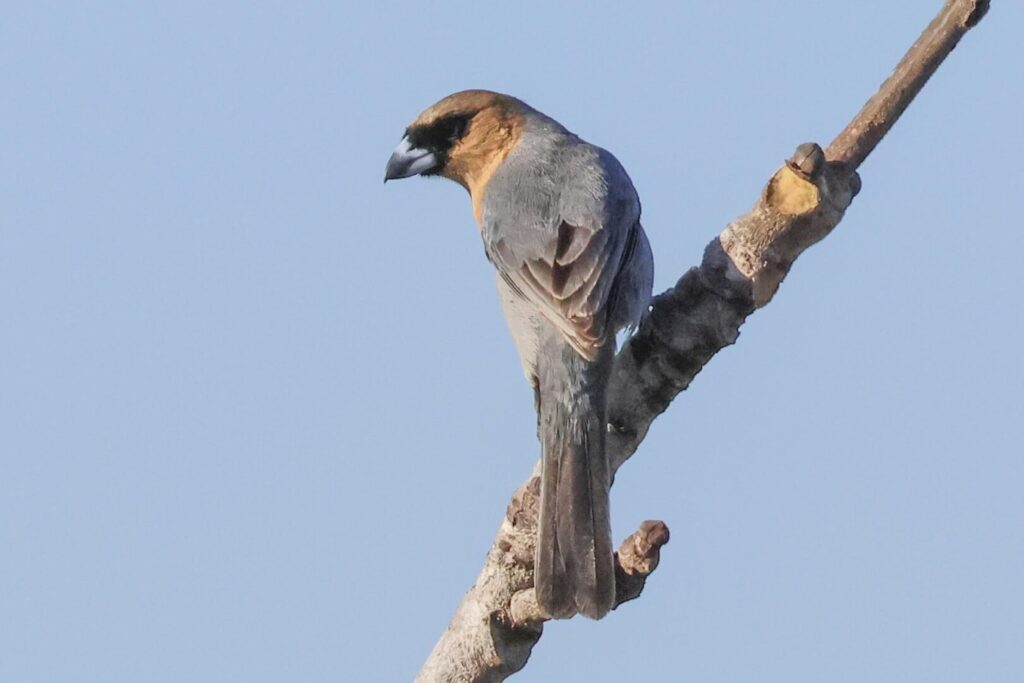
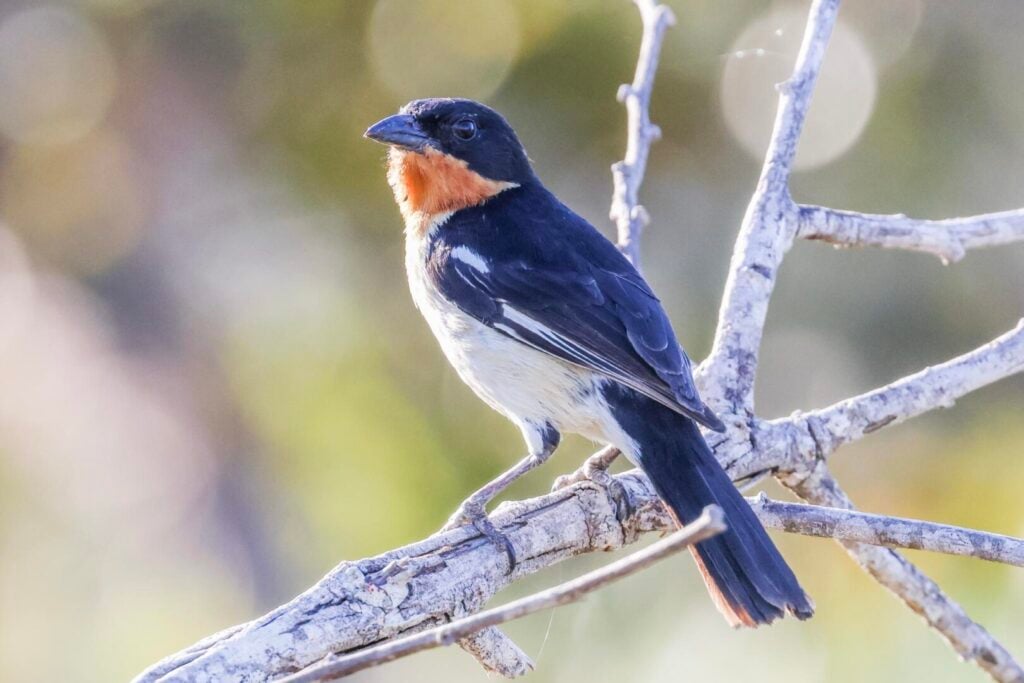
As we walked down along the track, we quickly scored with the first of our targets, including White-banded Tanager (formerly known as Shrike-like Tanager – a much more appropriate name, in our opinion!). We didn’t have to go too far before we heard Collared Crescentchest calling, but it was buried deep in the dense woody scrub so we decided to keep going and see if we could find an easier one.
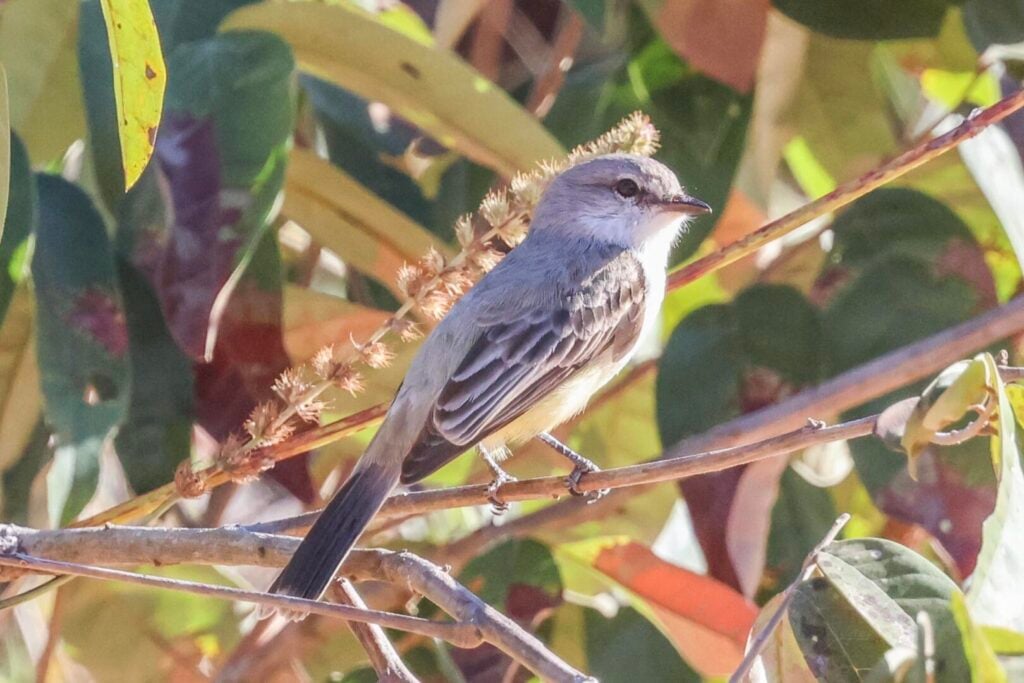
Down at the bottom of the hill, around some buildings and scrubby cultivations, we found a large group of birds. The highlight here was a Chapada Flycatcher in the scrub, another mainly Brazilian species which just extends into eastern Bolivia.
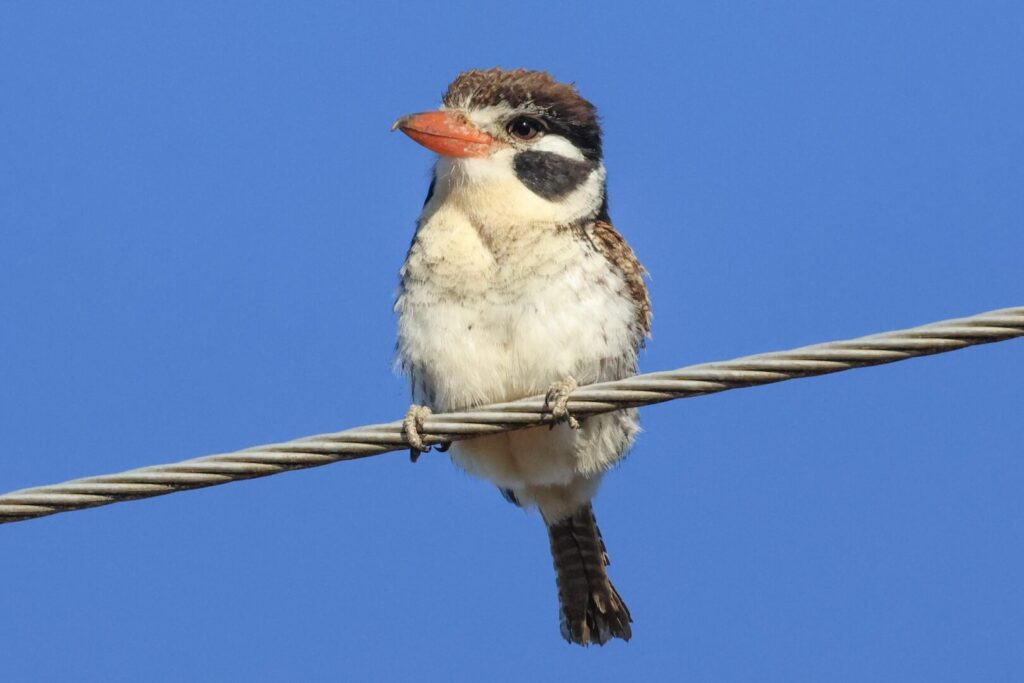
Several White-eared Puffbirds announced their arrival, singing from some nearby wires.
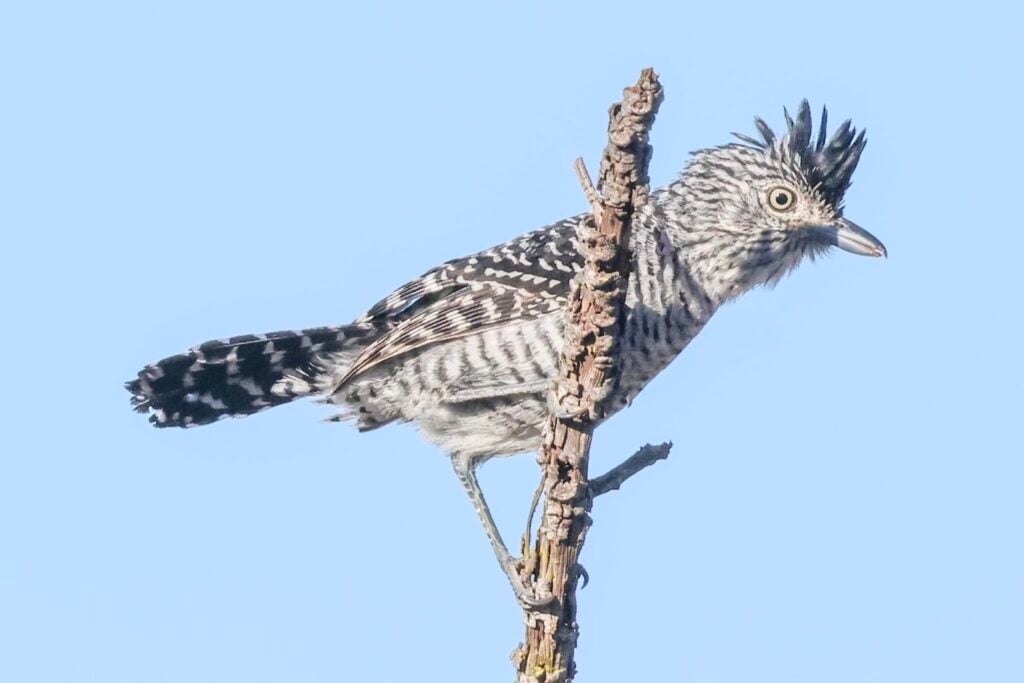
A pair of Barred Antshrikes showed particularly well in the bushes.
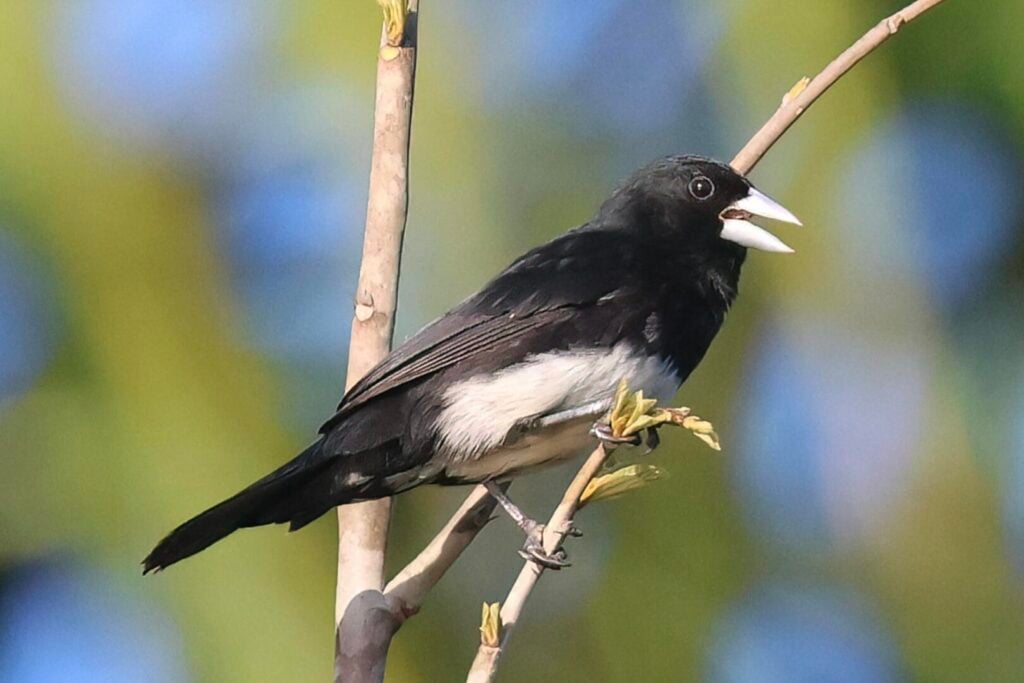
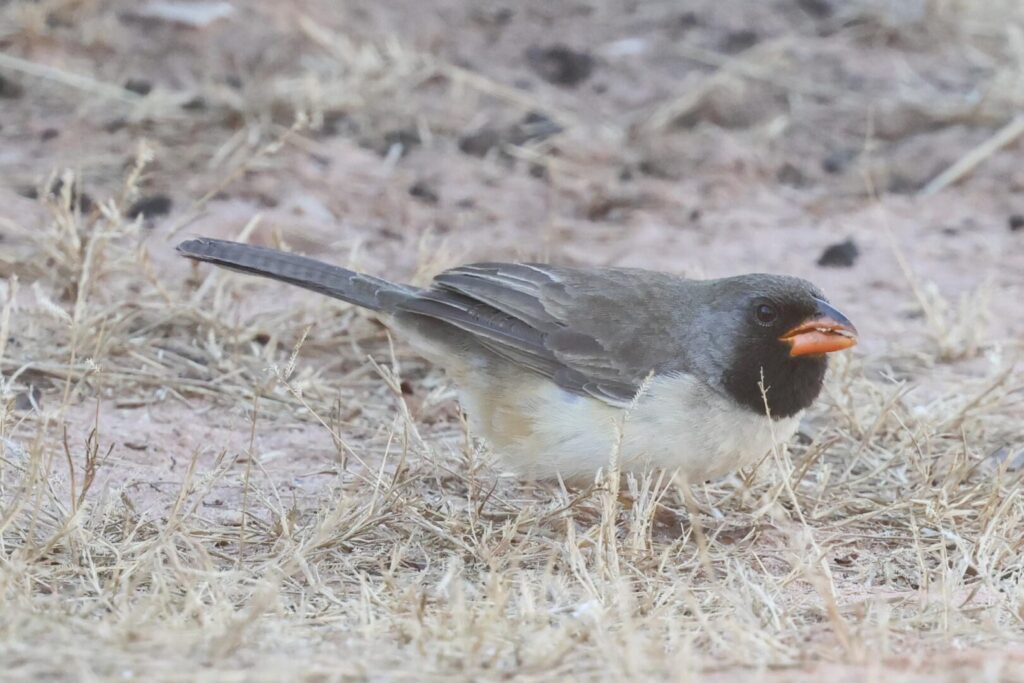
Several Black-throated Saltators fed around the buildings.
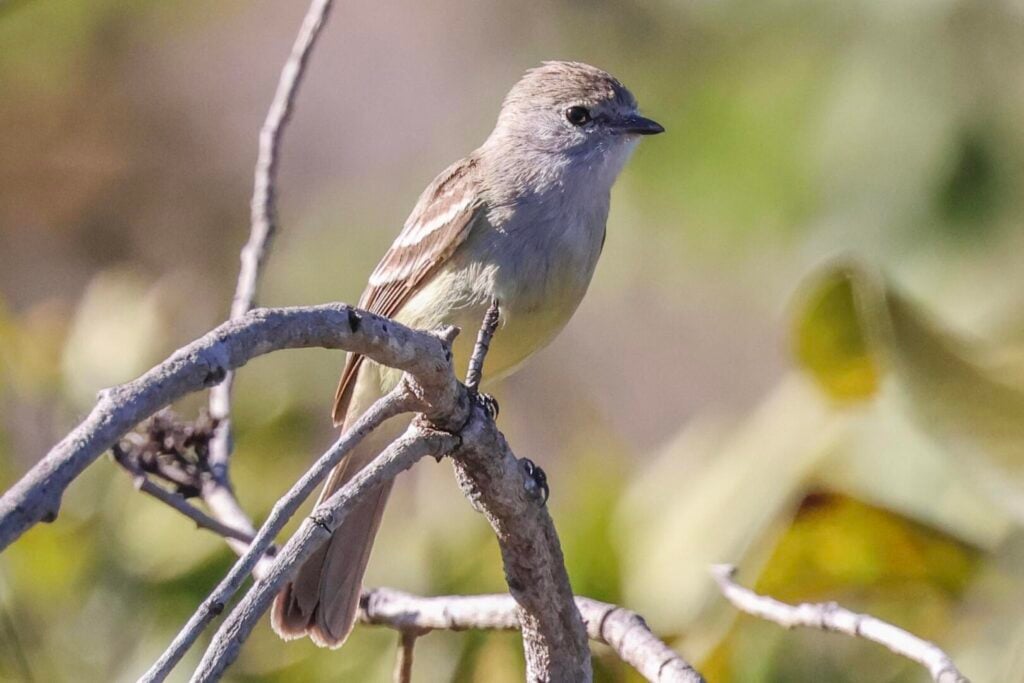
A pair of Southern Scrub Flycatchers made a change from the more common Elaenias, with their very short bills.
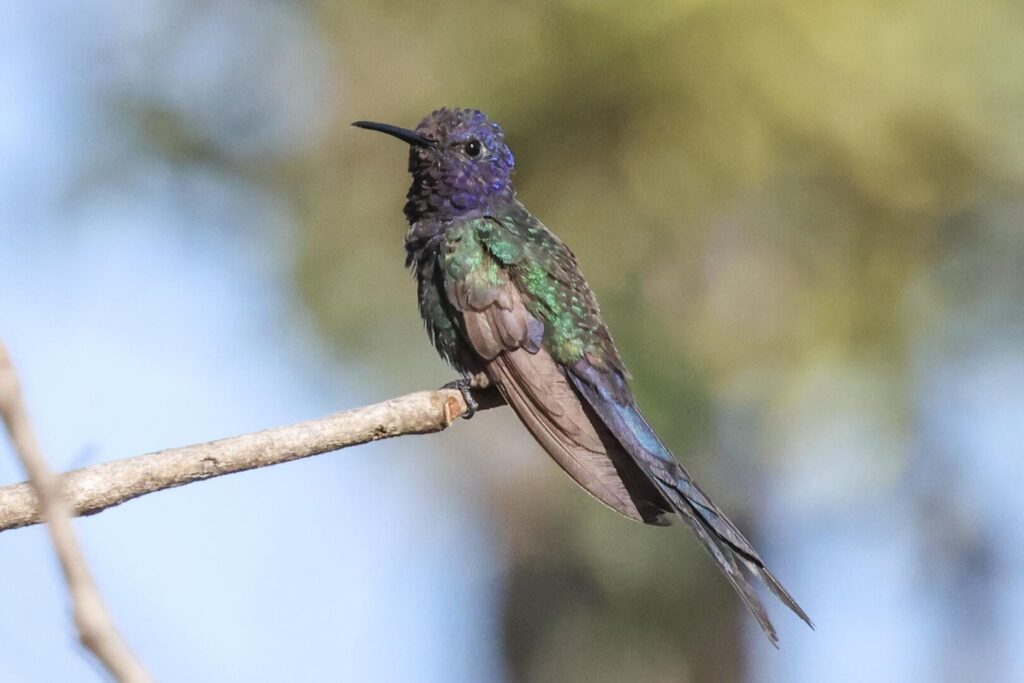
Several hummingbirds darted around, including several Swallow-tailed Hummingbirds and Glittering-throated Emerald, occasionally landing for photos. No sign of the key target hummingbird here, Horned Sungem, though.
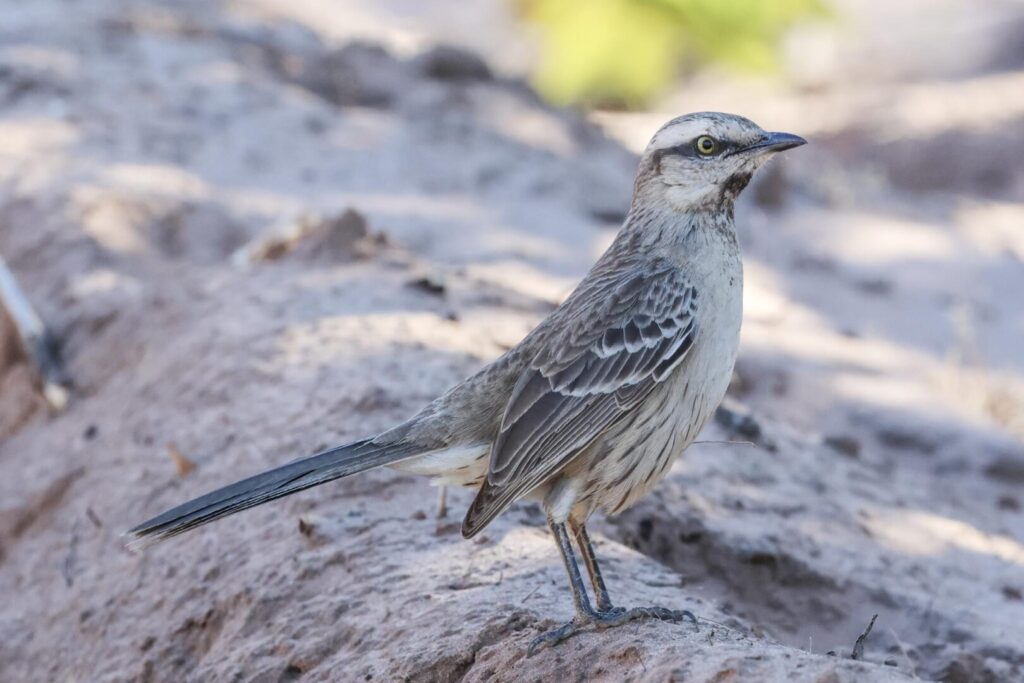
There were nice views of commoner birds to be had too, including several Chalk-browed Mockingbirds, lots of Red-crested Finches, Black-faced and Burnished-buff Tanagers. A Yellow-headed Caracara flew over, as did lots of White-eyed Parakeets.
It was starting to warm up now and activity levels were dropping. As we walked back up the hill, we could hear the Collared Crescentchest calling again. We realised we would have to try to get into the scrub if we wanted to see it but it quickly went quiet and the trail went cold. We decided to try again later.
Moving on, we drove over to Vale da Bênção, where we figured we could do some forest birding and get out of the sun. Our first stop produced a nice mix of different species. Playing a mobbing recording which Jonathan had given us quickly produced a Ferruginous Pygmy Owl. Several hummingbirds came in, including White-vented Violetear, Black-throated Mango and Fork-tailed Woodnymph, as did a group of Sayaca and White-lined Tanagers. A pair of Rusty-fronted Tody-Flycatchers lurked in the scrub nearby calling.
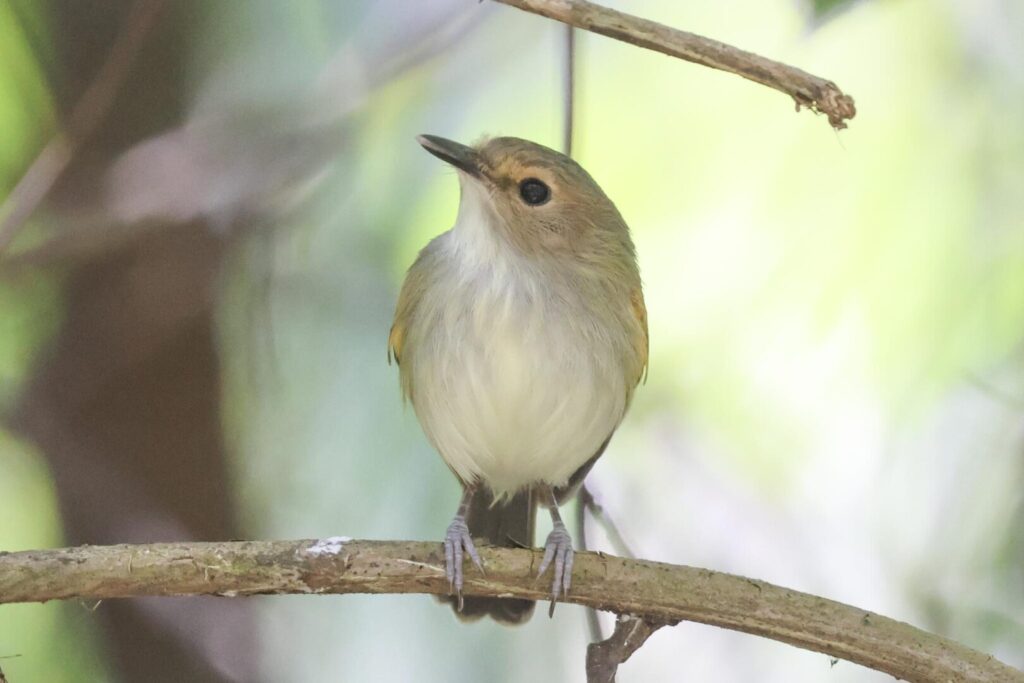
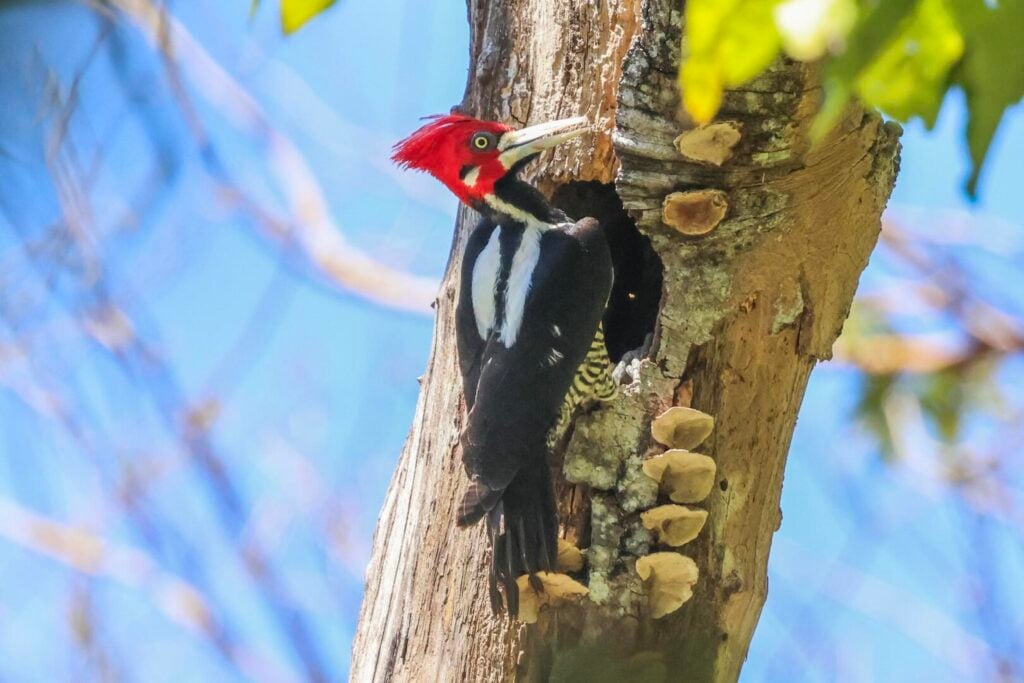
Continuing on deeper into the trees, we found a pair of Crimson-crested Woodpeckers excavating a nest hole. Several White-wedged Piculets appeared too. We came across a nice mixed flock including Sooty-fronted Spinetail, Rufous-browed Peppershrike, Thrush-like Wren and Creamy-bellied Thrush.
Back to the bridge, we stopped again. Several Rufous Horneros were feeding in the grass around the parking area. Just looking from the road, the trees produced a couple of Brown Jacamars, Yellow-rumped Cacique, Blue Dacnis, Plain Inezia and more hummingbirds.
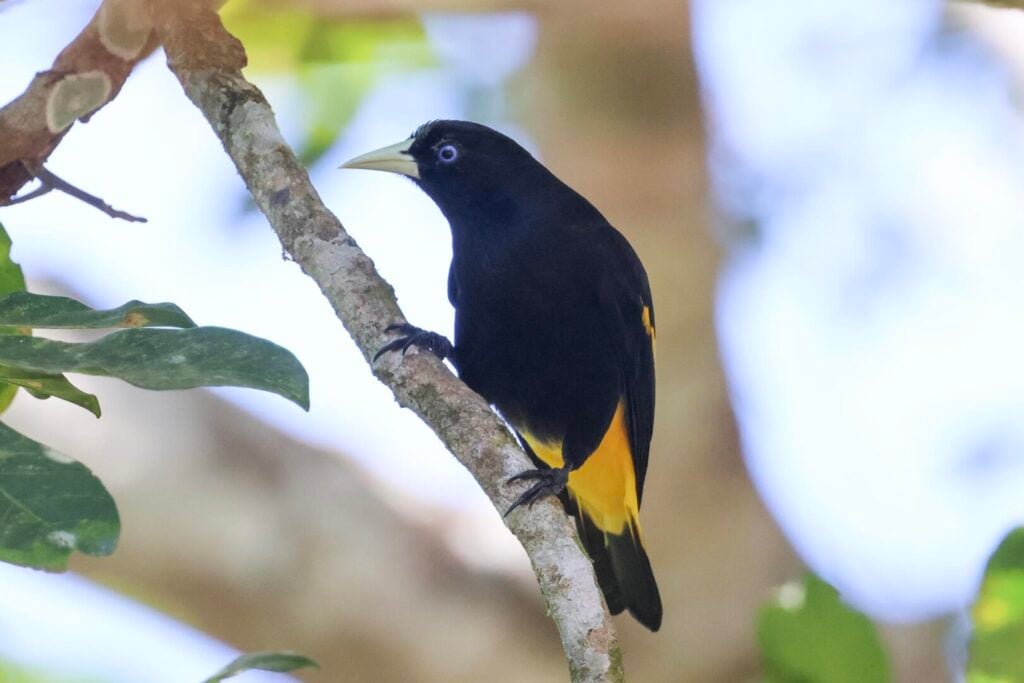
We found a small trail in through the trees nearby. We didn’t go in far, as the path appeared to be blocked off, but this did produce a Black-tailed Tityra and a female Crested Becard.
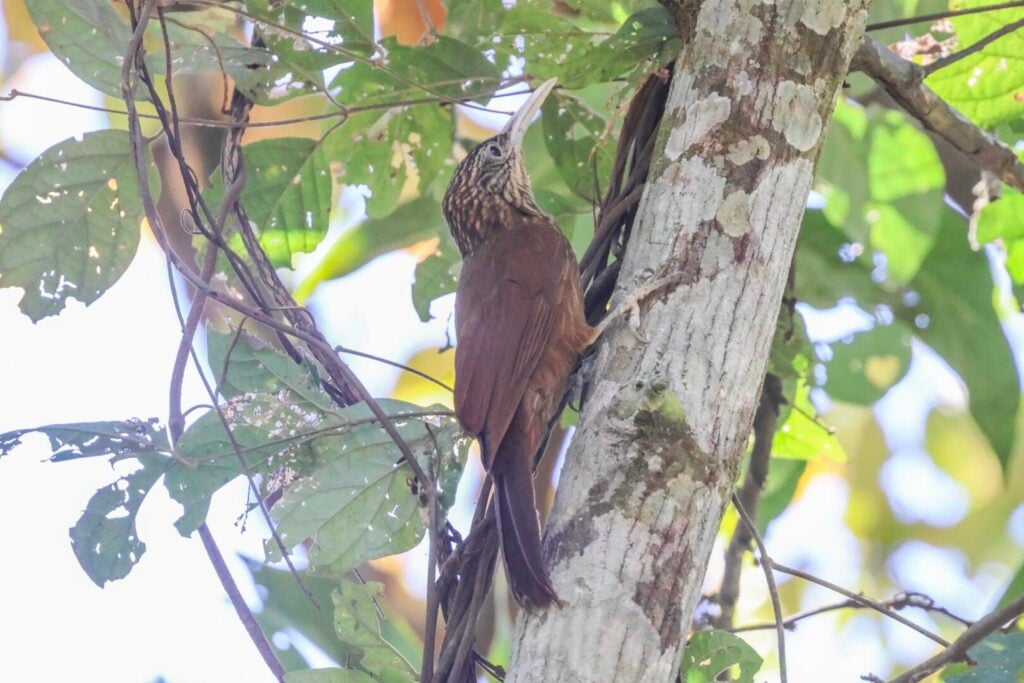
On our way out, we stopped again in the remnant of tall forest at the top of the hill. It was midday now, so we weren’t expecting much, but it turned out to be very successful, producing Sibilant Sirystes and a pair of Masked Tityras high in the canopy, plus Buff-throated Woodcreeper and Rufous-bellied Thrush.
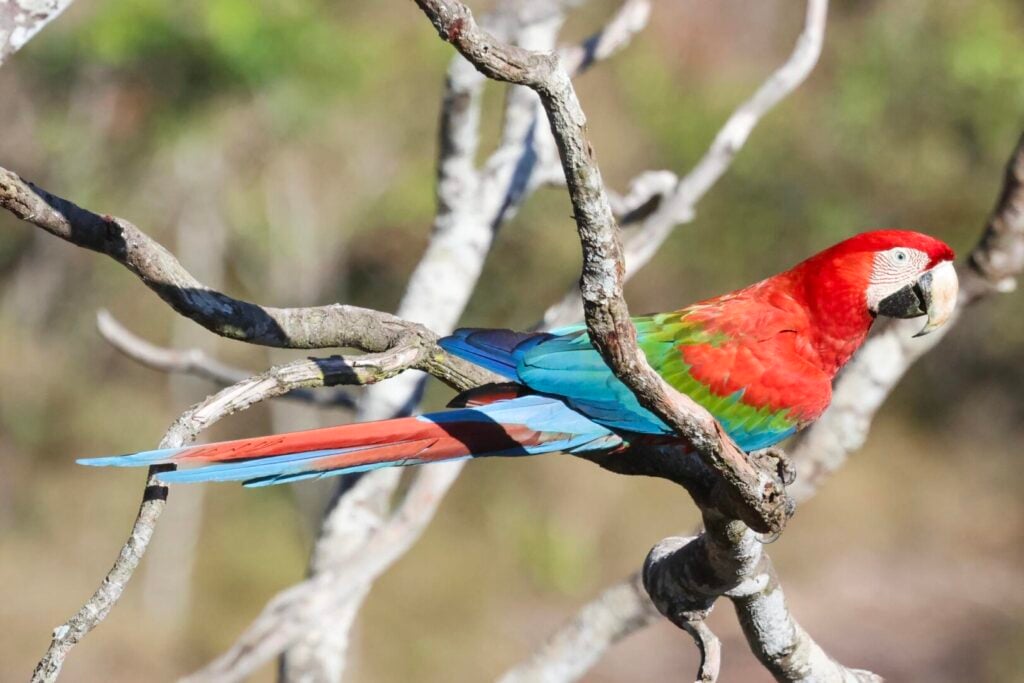
The Cachoeira Veu de Noiva waterfall is usually a reliable place to see swifts, mainly Great Dusky Swift but also Biscutate Swift, so we thought that might be a good place to spend the afternoon. On arrival, we were disappointed that we couldn’t see any swifts around the waterfall. There were several Cliff Flycatchers though, a group of Curl-crested Jays and good views of Red-and-Green Macaws. We also had a delicious late lunch at the restaurant beyond the mirador.
As the heat of the day started to ease, we made our way back to Estrada Caixa de Agua to have another go to try to see Collared Crescentchest. After a bit of searching, we heard one singing again. We managed to work our way in through the dense scrub and with some perseverance, we eventually managed to get some great views of one skulking low down in the vegetation.
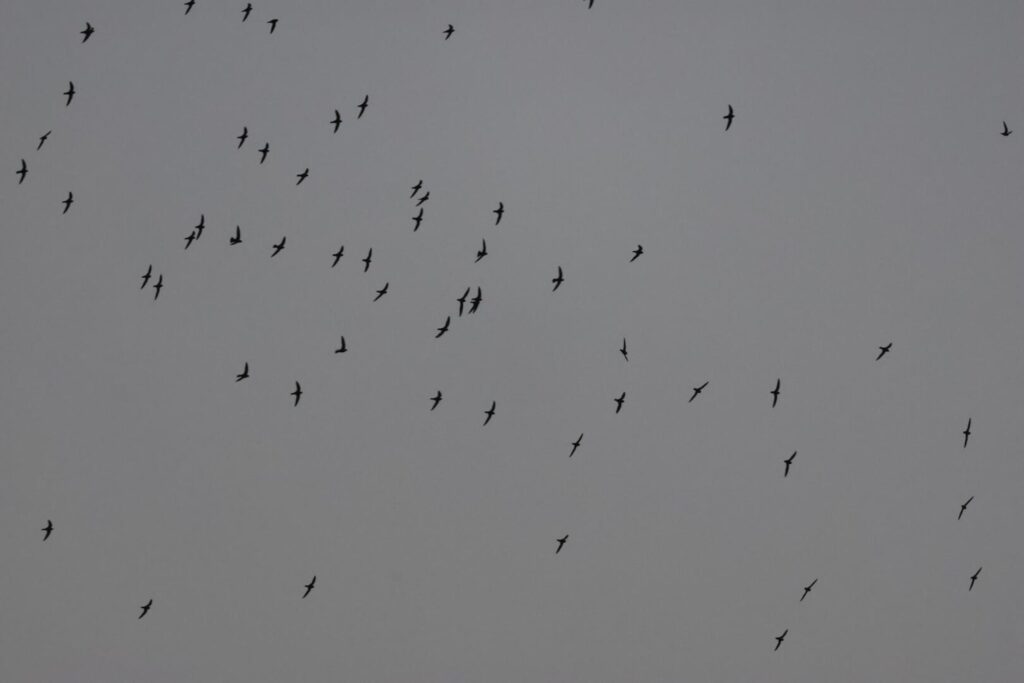
We still had time for one last stop at a push, so we hurried over to Mirante Geodesico, which in theory marks the geographical centre of South America. It is a good place to see Biscutate Swifts coming in to roost on the cliffs at dusk. We were just in time and could hear them calling overhead as we walked out. Some huge flocks numbering some 200+ birds swirling around high in the sky before swooping down to the rock face below.
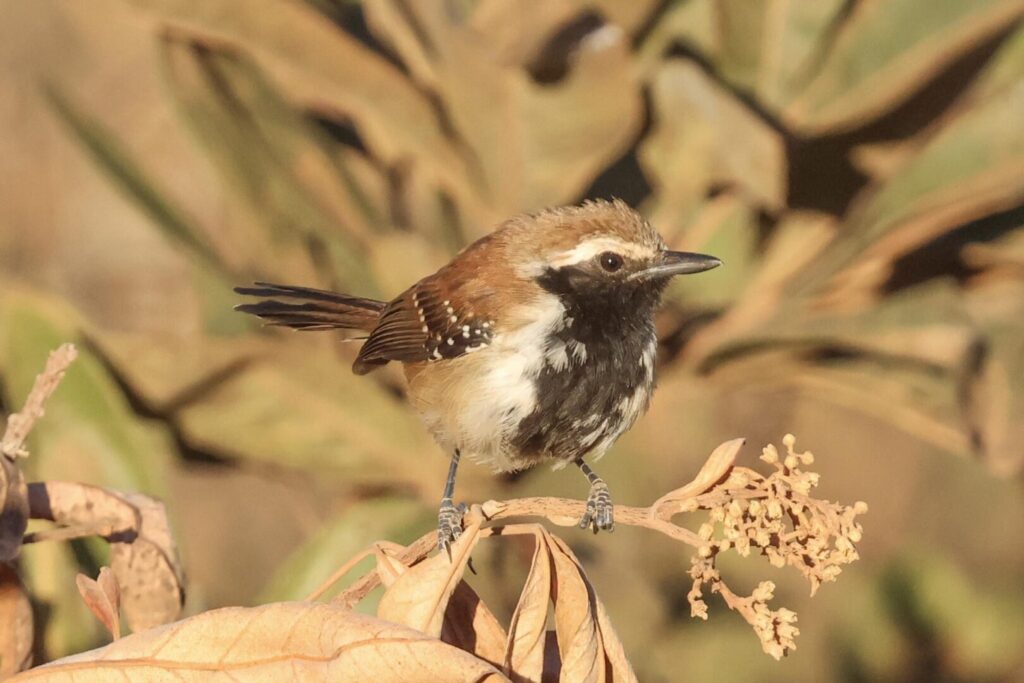
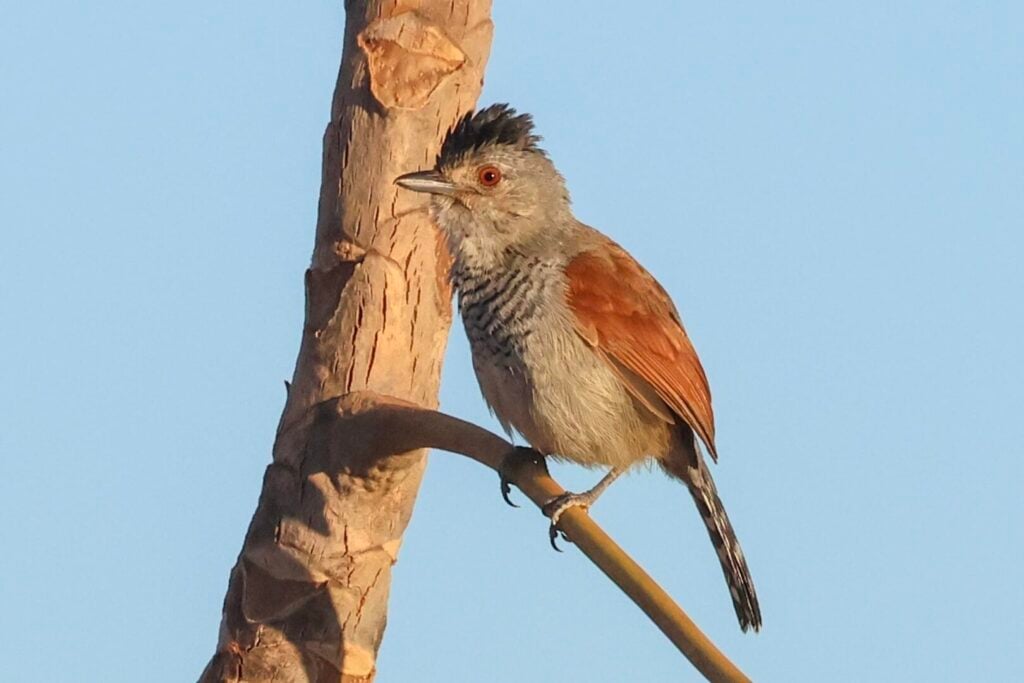
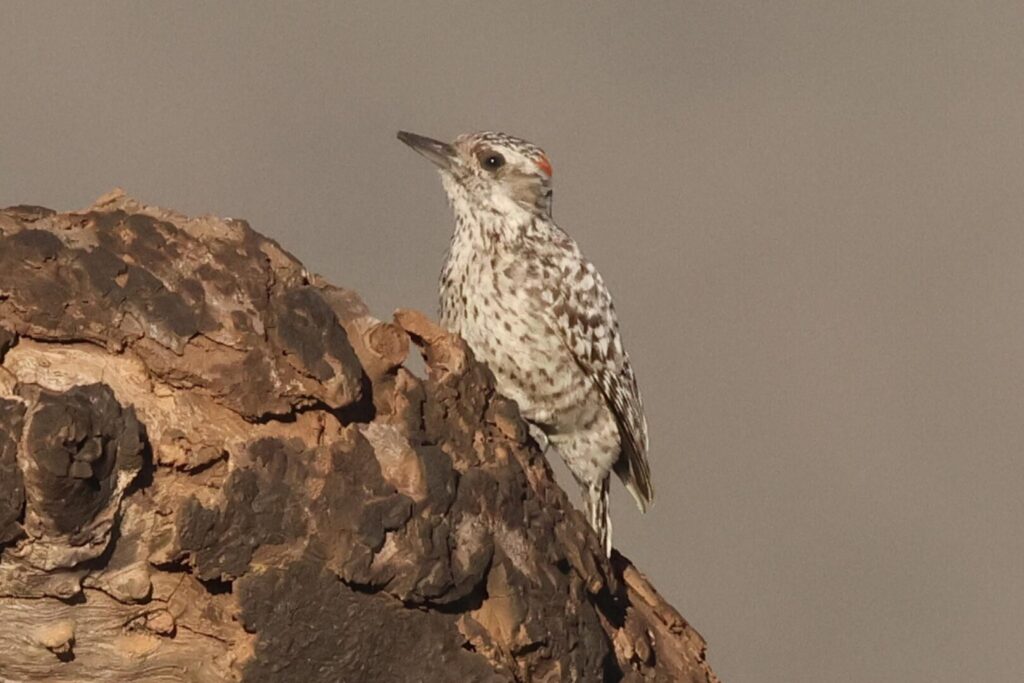
The following morning, we rose early again and headed out to another area of cerrado. Once again, there was lots of activity as the sun rose. New species for the trip included Checkered Woodpecker, Suiriri Flycatcher, Cinnamon Tanager, Rusty-backed Antwren and Pale-breasted Spinetail.
We were hoping to find Rufous-sided Scrub Tyrant but even though we thought we heard one call at one point, we drew a blank. Activity levels dropped quickly again as it warmed up, so we moved on.
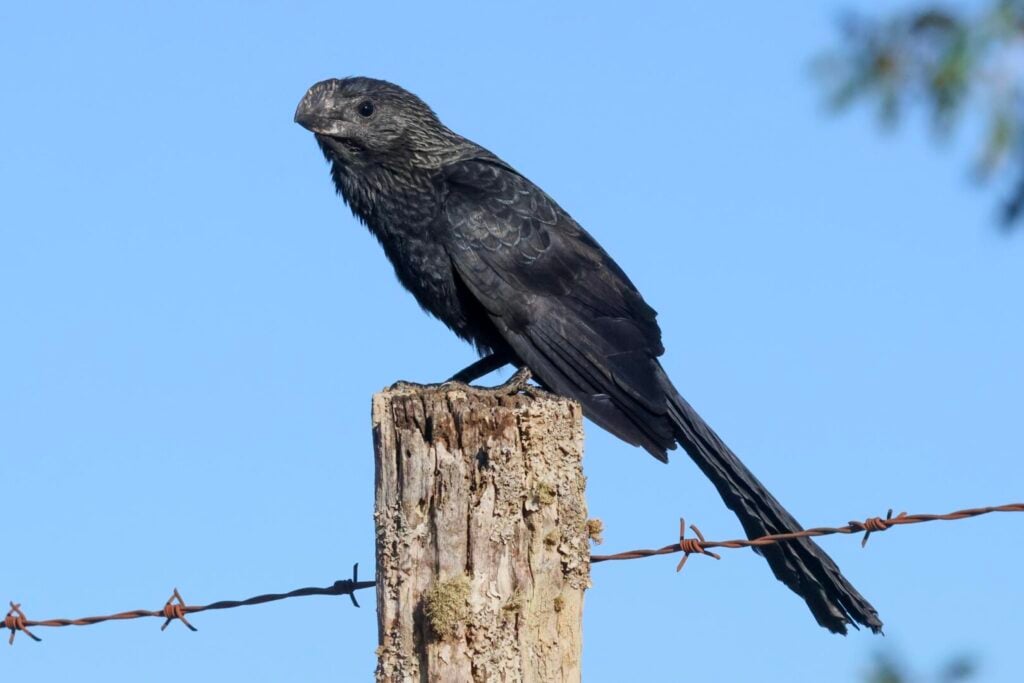
We decided to try a couple of nearby sites where Coal-crested Finch had been seen historically, although knowing that they are erratic and presumably move around in search of food. On the way, we stopped to photograph a few commoner birds from the car.

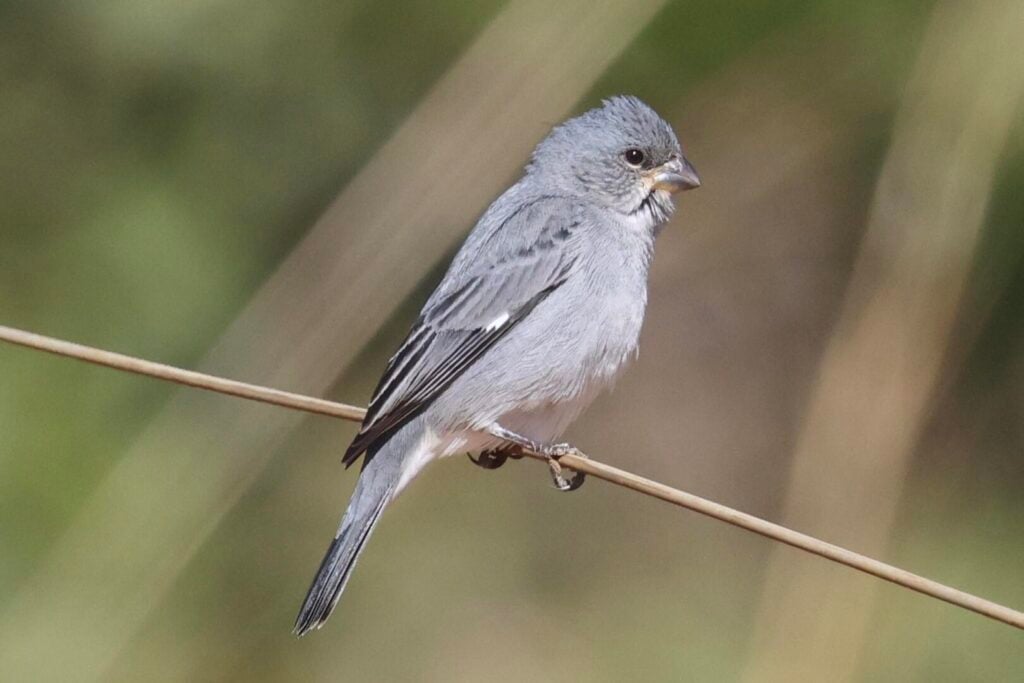
A walk along one of the dirt roads through the cerrado produced a nice variety of birds including Little Woodpecker, Peach-fronted Parakeets, Black-faced Saltators and the usual selection of tanagers. Several Plumbeous Seedeaters were feeding by the side of the road.
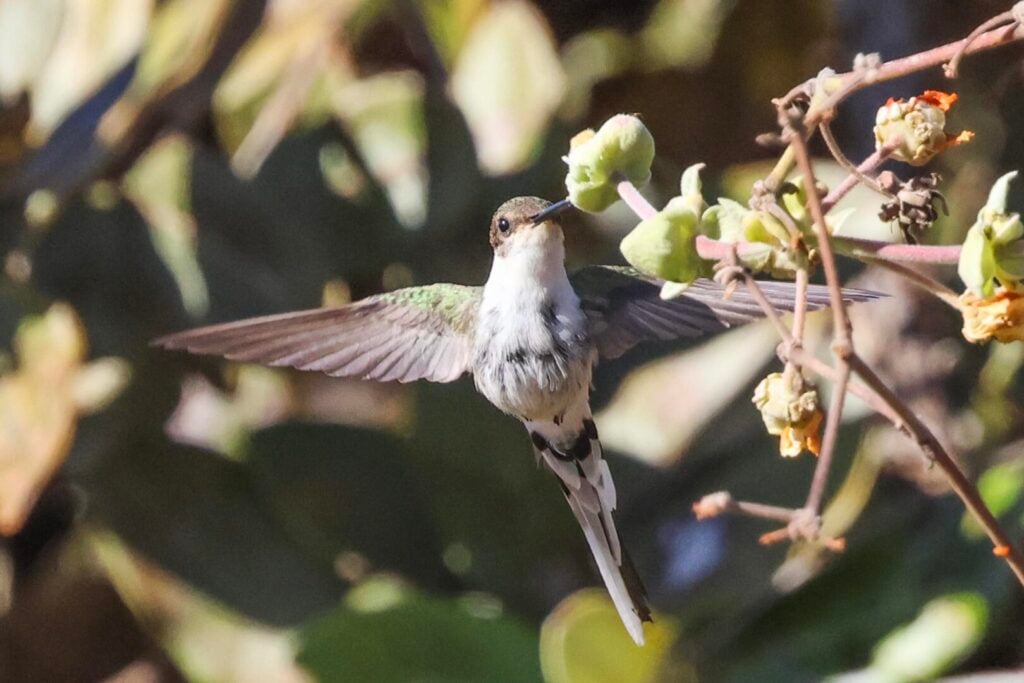
But we got particularly lucky here when we found a Horned Sungem nectaring on some flowers. Not a male, but we were thrilled to come across this very hard to find hummingbird.
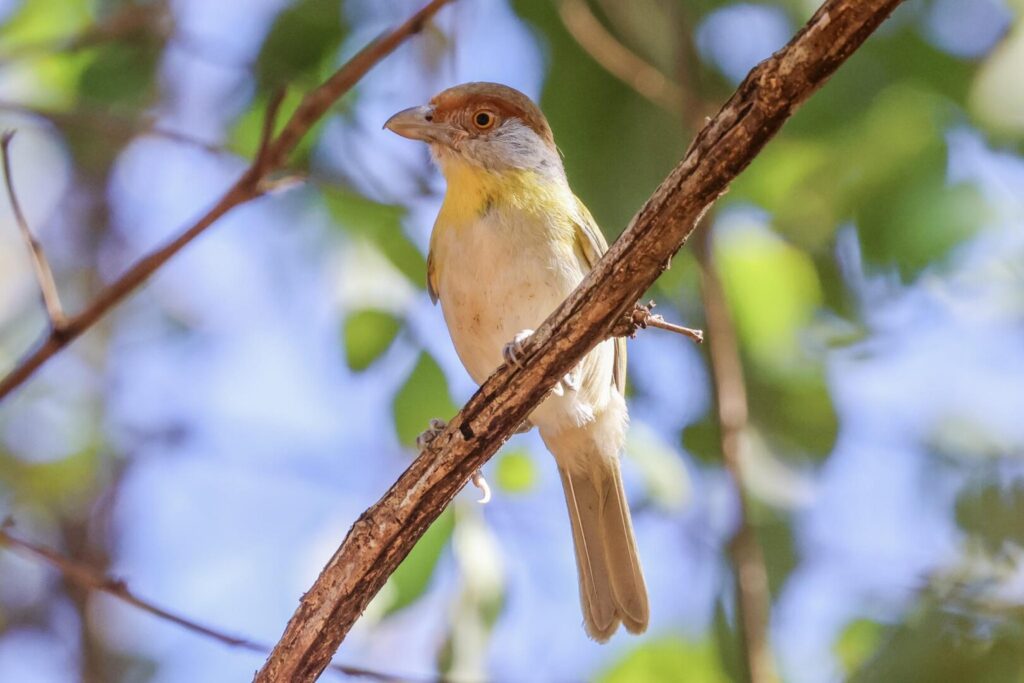
As yesterday, once it started to get hot we retreated to the forest, this time at Jamaca. At our first stop, there seemed to be lots of birds including Large-billed Antwren and Plain Antvireo heard, Chivi Vireo and Rufous-browed Peppershrike.
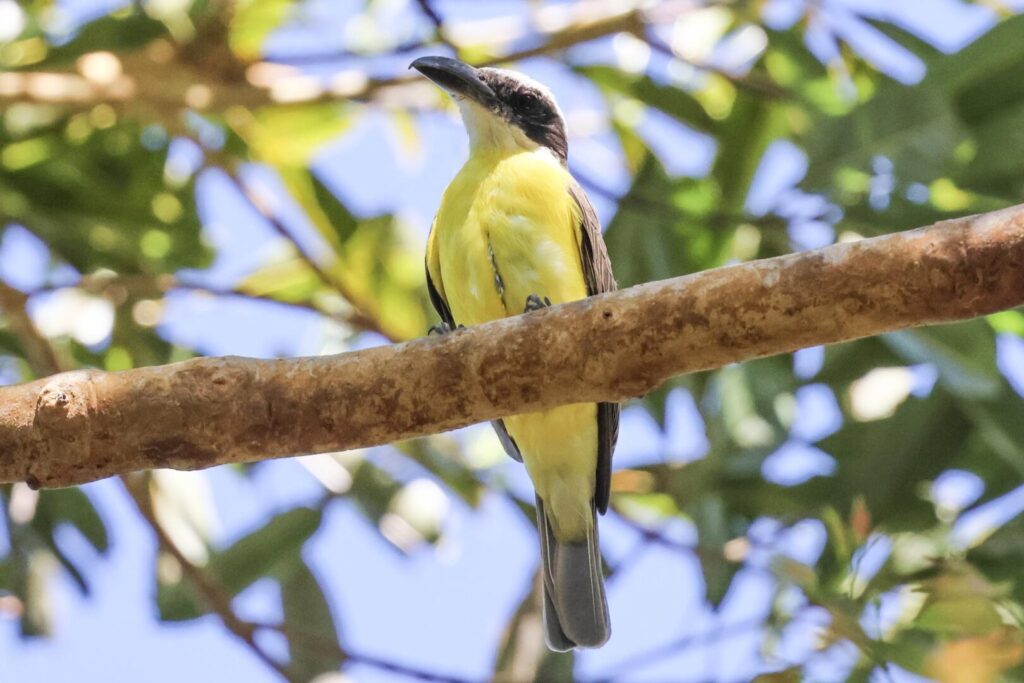
A Boat-billed Flycatcher showed off its huge bill and a Band-tailed Manakin flashed through but sadly didn’t stop.
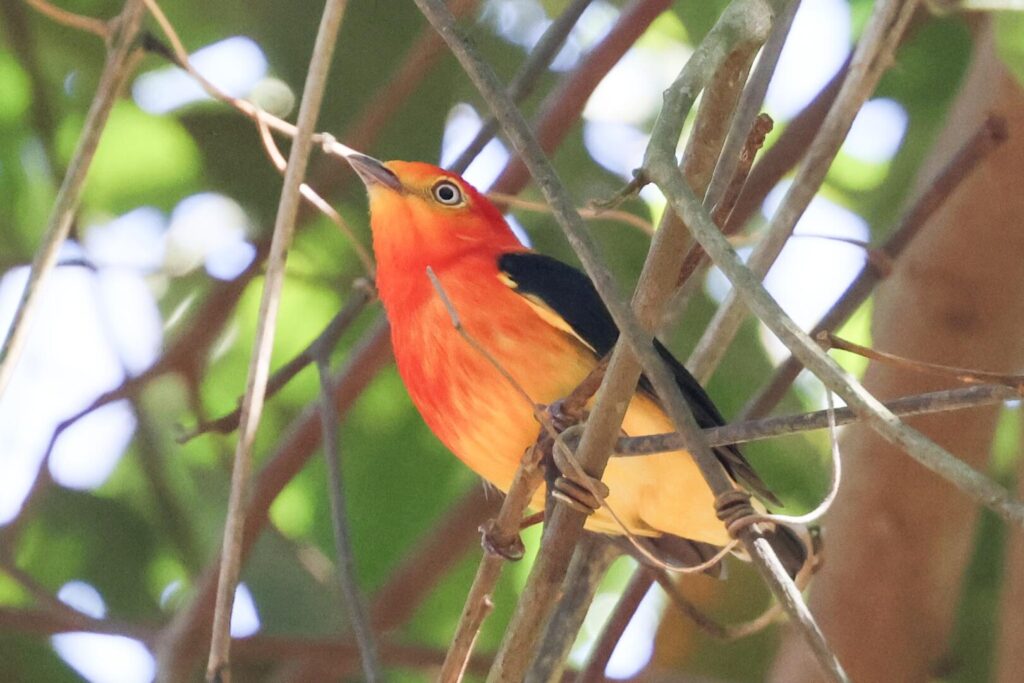
Further down, it seemed a little quieter but we managed to find several more Band-tailed Manakins and get great views of one or two stunning males. A Fiery-capped Manakin was only heard.
Other species here included Red-necked Woodpecker, Buff-throated Saltator and Fuscous Flycatcher. On our way back up the road, we stopped to admire a Lettered Aracari in the trees.
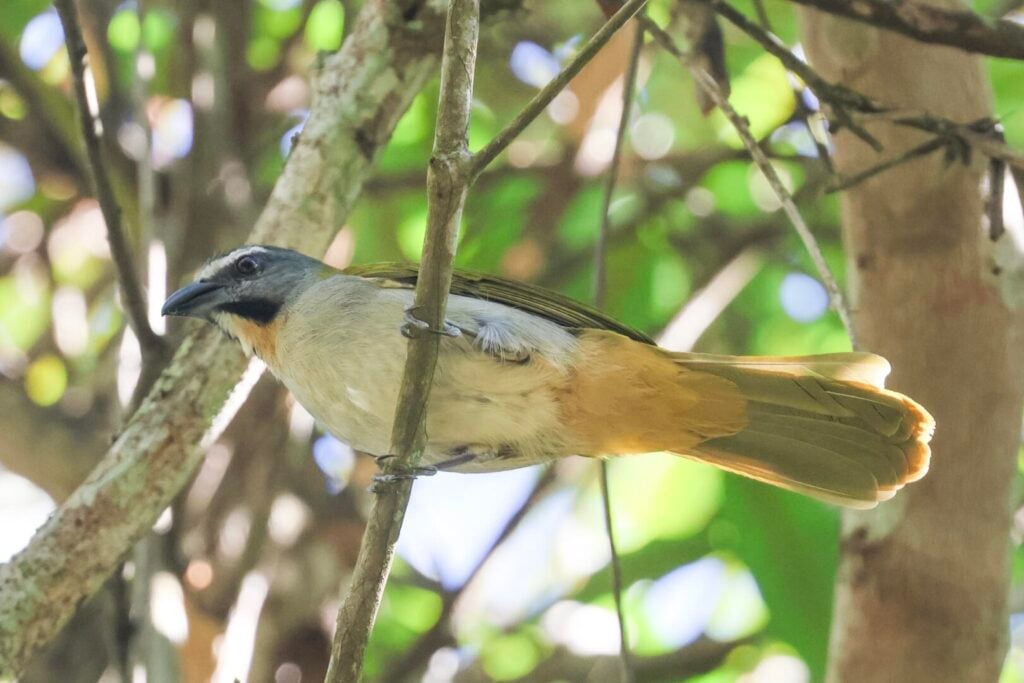
After a break back at Pousada Vento Sul, we went out for a late lunch at a nearby Brazilian self service restaurant, Restaurante Trapiche, which was excellent. Once it had cooled down a little, we went out again the afternoon. We tried another historic site for Coal-crested Finch but drew a blank again then went on somewhere else to look for Blue Finch. It was getting a little late in the day by then and all we managed to add was Hepatic Tanager.
On the 14th, we would be moving on but we had the morning still around Chapada. We returned to the same site we had visited yesterday, before dawn again. We saw all the same birds but Rufous-winged Antshrike was an addition to the trip list. Once again, we saw Rusty-backed Antwren and Pale-breasted Spinetail too.
We had better views of Checkered Woodpecker, a pair this time.
There were lots of tanagers again, including Cinnamon, White-rumped, Shrike-like and a single Palm Tanager. But we drew a blank on Rufous-sided Scrub Tyrant again.
As it started to warm up and activity dropped, we moved on to try the Blue Finch site again, which we had visited late yesterday. There were Peach-fronted Parakeets and several White-rumped Swallows in parking area. A Wedge-tailed Grass Finch was singing in the scrub beyond and we found a Grey Monjita here too.
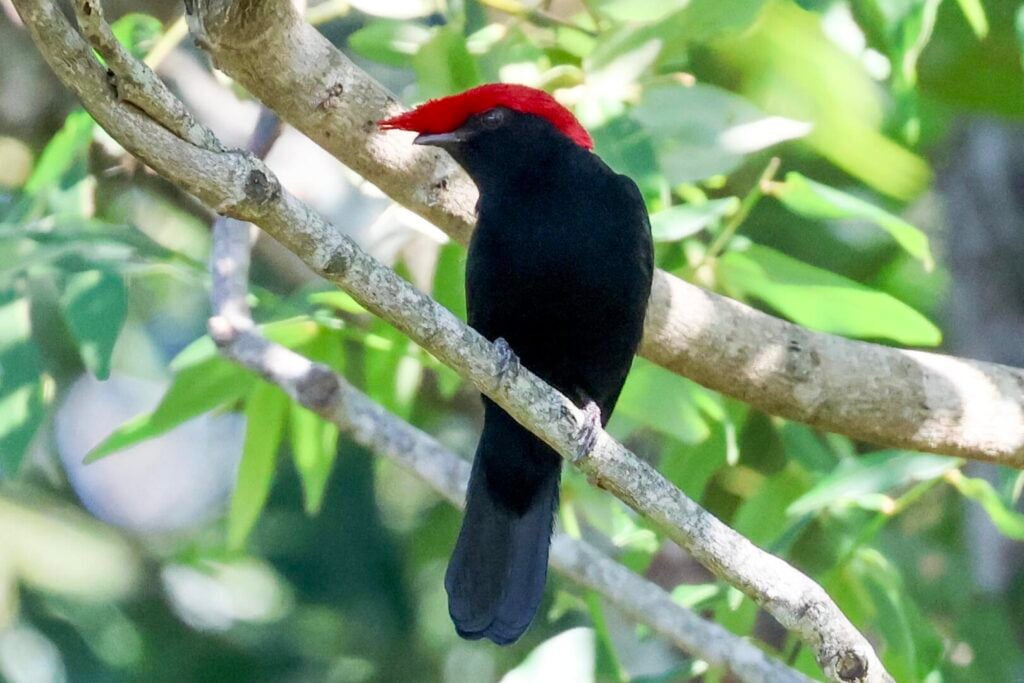
Continuing down the path, we still couldn’t find any sign of the Blue Finches but we did find several Helmeted Manakins in the trees and heard our first Tataupa Tinamou.
As we had enjoyed it so much a couple of days ago, we decided to go back to Vale da Bênção next. As we drove in, two White Hawks circled up over the trees. We stopped at the top of the hill first, in the tall, mature gallery forest. Once again, we found Masked Tityra and several Crested Becard in the canopy. What was presumably a Saffron-billed Sparrow disappeared before we could get a decent view of it and Western Fire-eye was only heard. We turned to see two Tataupa Tinamou walk across the road just behind us.
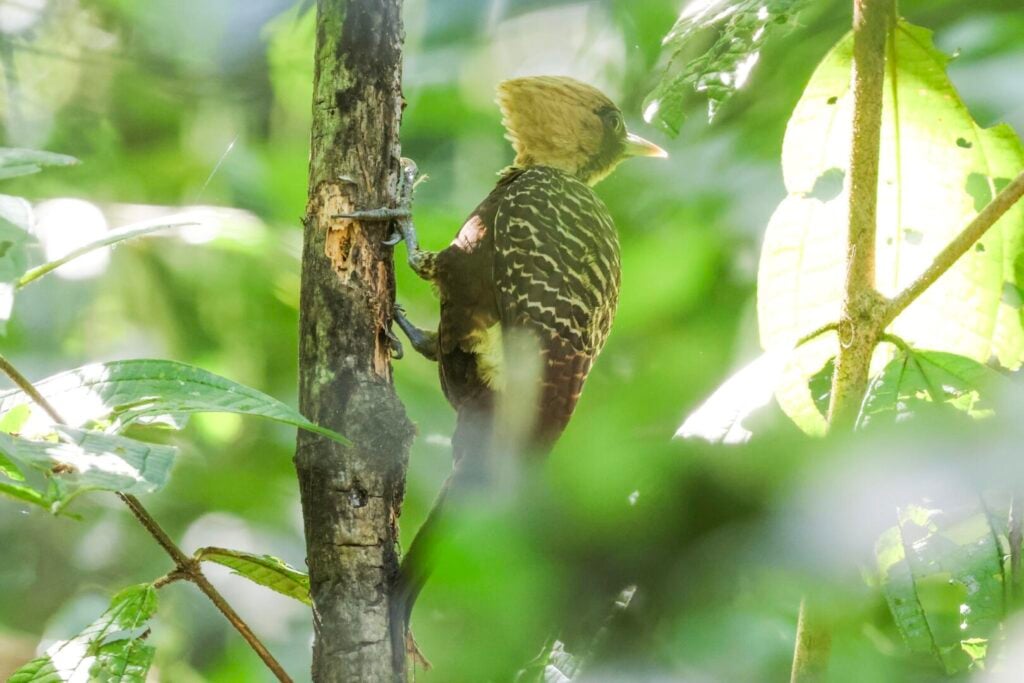
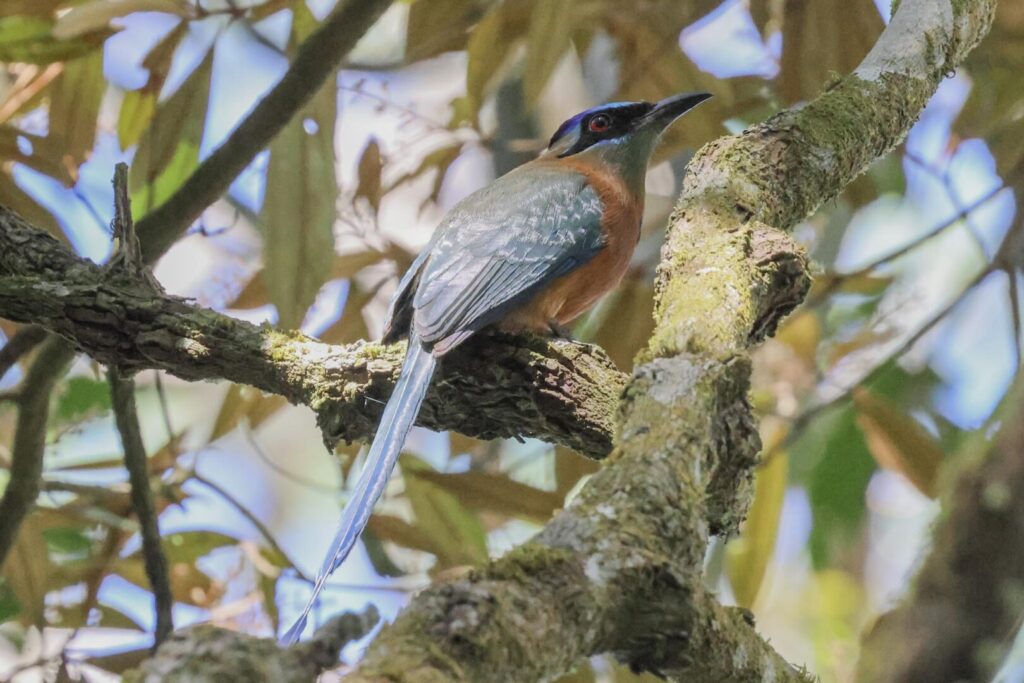
Down at the bottom of the hill, we took the small trail in through the trees that we had found before. This time, we managed to push in a bit further and were rewarded with a Pale-crested Woodpecker low in the trees beside us, two Buff-breasted Wrens in the undergrowth by the trail, great views of a pair of Western Fire-eyes as they moved along the trail ahead of us and then, as we turned round, an Amazonian Motmot which came out into the trees above us.
We had to drive back to Pousada Vento Sul to check out before 12pm. Then we went back to Restaurante Trapiche for a buffet lunch. It had been a very successful few days exploring the cerrado around Chapada dos Guimarães but we were moving on this afternoon. Next stop, the Pantanal.
Part 2 follows here.