A single day Spring Migration Group Tour. It was meant to brighten up quickly this morning but remained rather stubbornly grey and cloudy. By the afternoon, the sun finally came out, but it still felt cold in the blustery NE wind. We spent the day on the North Norfolk coast.
Our destination for the morning was Cley. We parked at the Visitor Centre and as we got out of the minibus, a Cetti’s Warbler shouted from the far corner of the car park. Making our way out to the central hides, a couple of Sedge Warblers were singing along the Skirts. One flew up and parachuted down into the top of the brambles by the start of the boardwalk, where it stayed long enough for us to get a brief look at it.
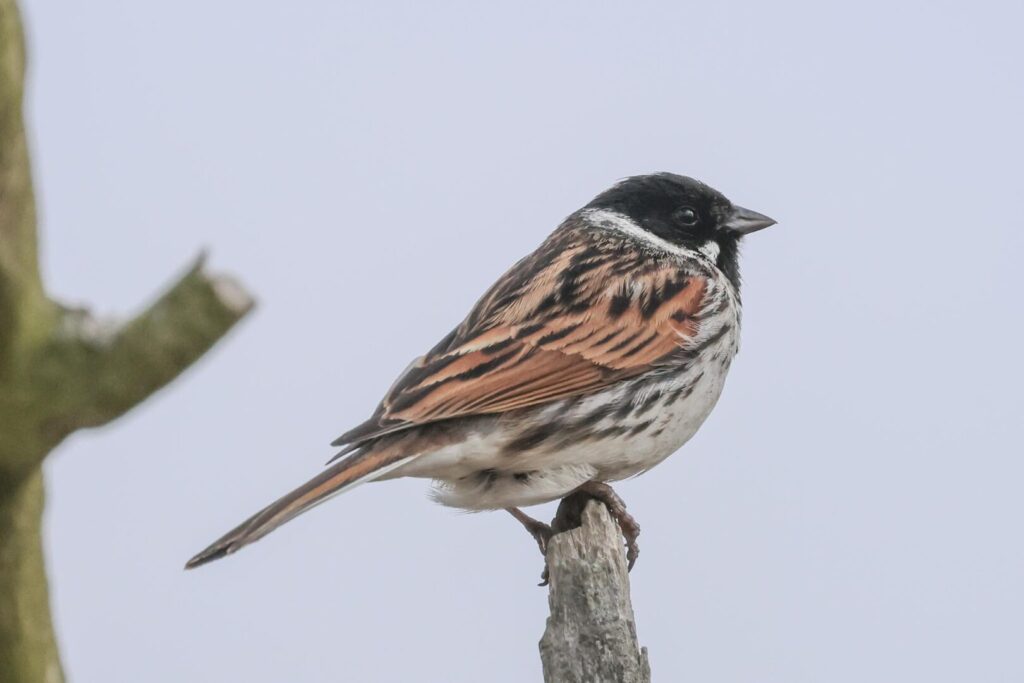
Further on, a Reed Bunting was perched on a dead tree in the reeds. One of its favoured song posts but it wasn’t singing this morning. It was struggling to cling on in the wind. Just beyond, we heard our first Reed Warbler of the morning singing its more metronomic song, not as mad as the Sedges.
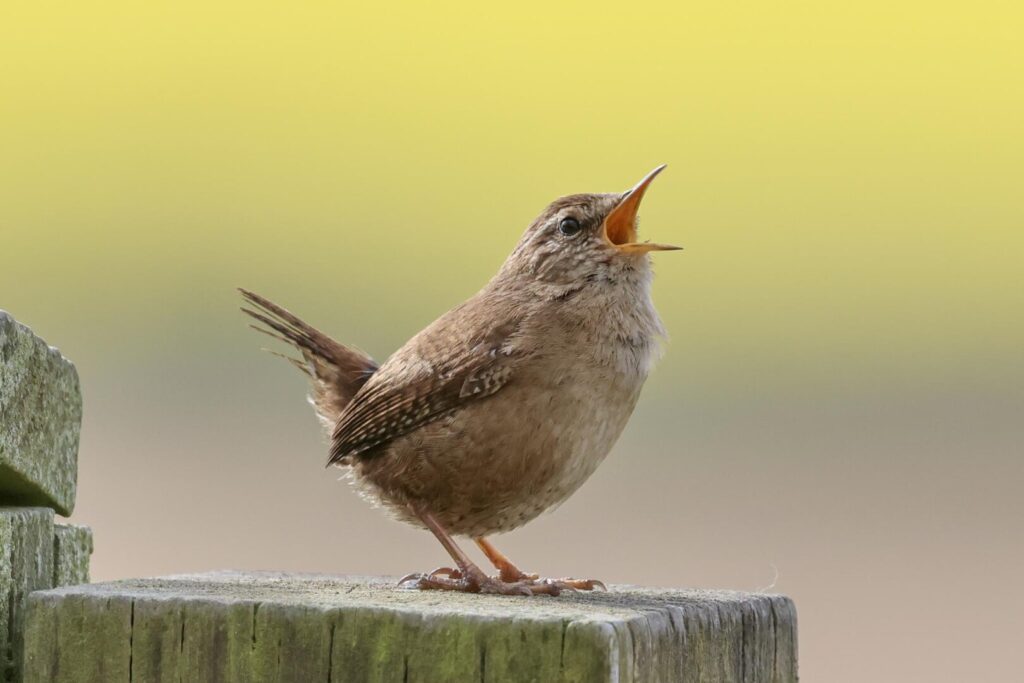
We stopped on the boardwalk and set up the scope to scan South Pool. A Wren was perched on the fence post in front of us, belting out its song at a volume which belied its small size.
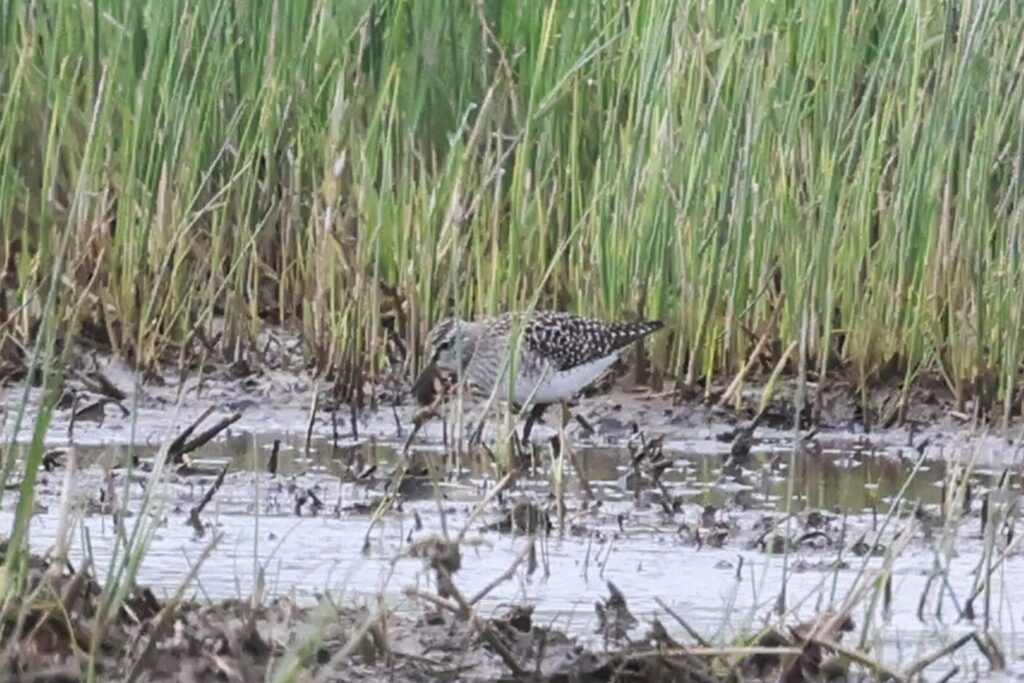
One of the first waders we found on the edge of the pool was a Common Sandpiper. We watched it picking around on the mud, bobbing. A Little Ringed Plover flew in and landed on the island in the middle. There have been a couple of Wood Sandpipers on here for the last couple of days but we couldn’t see them at first. Then one appeared out of the edge of the reeds at the back. Eventually it came out into full view and we could see its strongly marked pale supercilium and pale-spangled back.
There were a few Greylag Geese and a couple of Shelduck around the pool. An Oystercatcher was feeding in the grass behind. Several Sand Martins were hawking low over the grass and the water. A Marsh Harrier flew past over the reeds beyond. A Chinese Water Deer came up out of a reedy ditch further back. Through the scope, we could see its impressive tusks before it ran off.
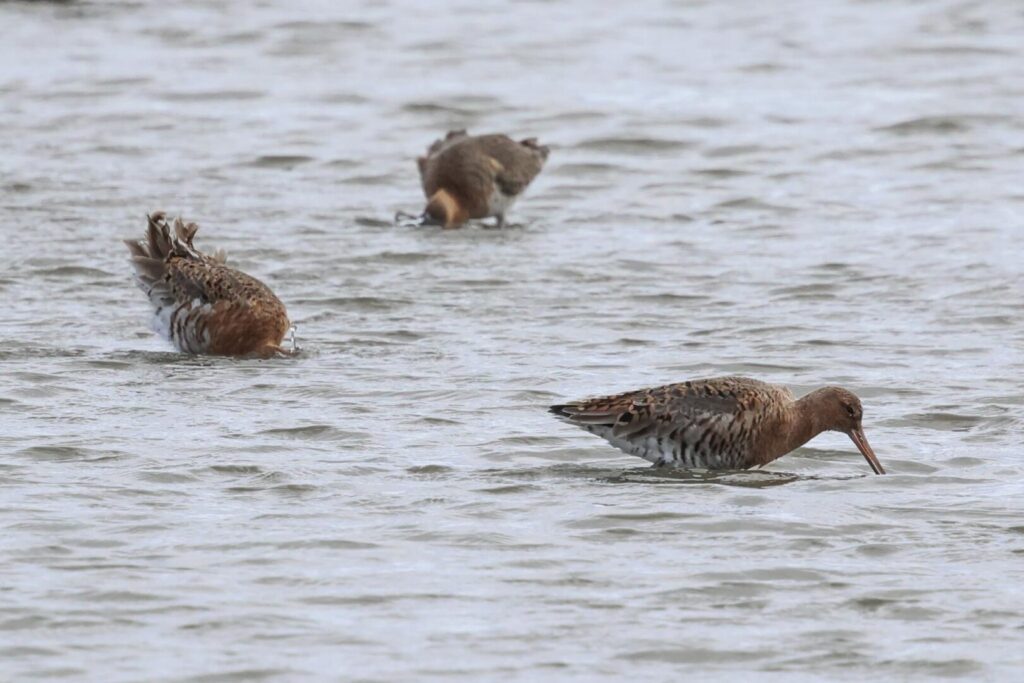
Into the hide, Pat’s Pool looked rather empty at first. There was just a single pair of Avocets, one of which looked like it might be on a nest, the other feeding nearby. Several Black-tailed Godwits were feeding in the deeper water in one corner.
Gradually, more birds started to appear. A flock of Dunlin flew in and whirled round over the water but disappeared off towards North Scrape. A little later, eight dropped in. Now we could get a proper look at them in the scope, some already sporting their summer black belly patches.
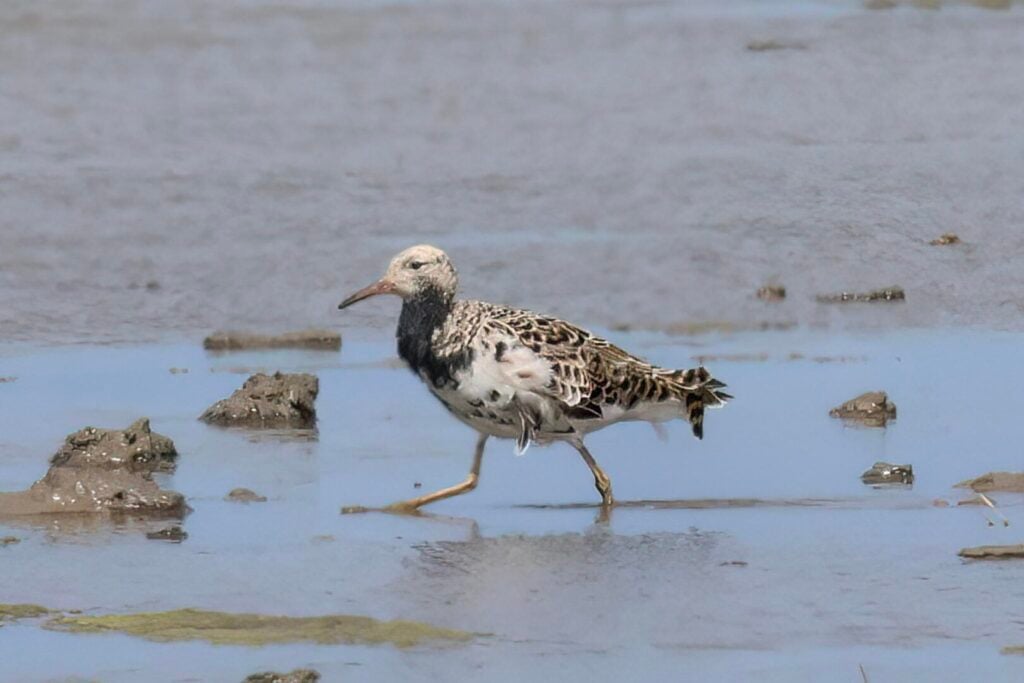
A flock of Ruff dropped in to Simmond’s Scrape. There were several different coloured males with several females. The males have not grown their ornate ruffs yet but have undergone a moult and have their bright summer body plumage now. They flew off but then a different flock of Ruff landed on Pat’s Pool. All the males were different again – pretty much no two are alike!
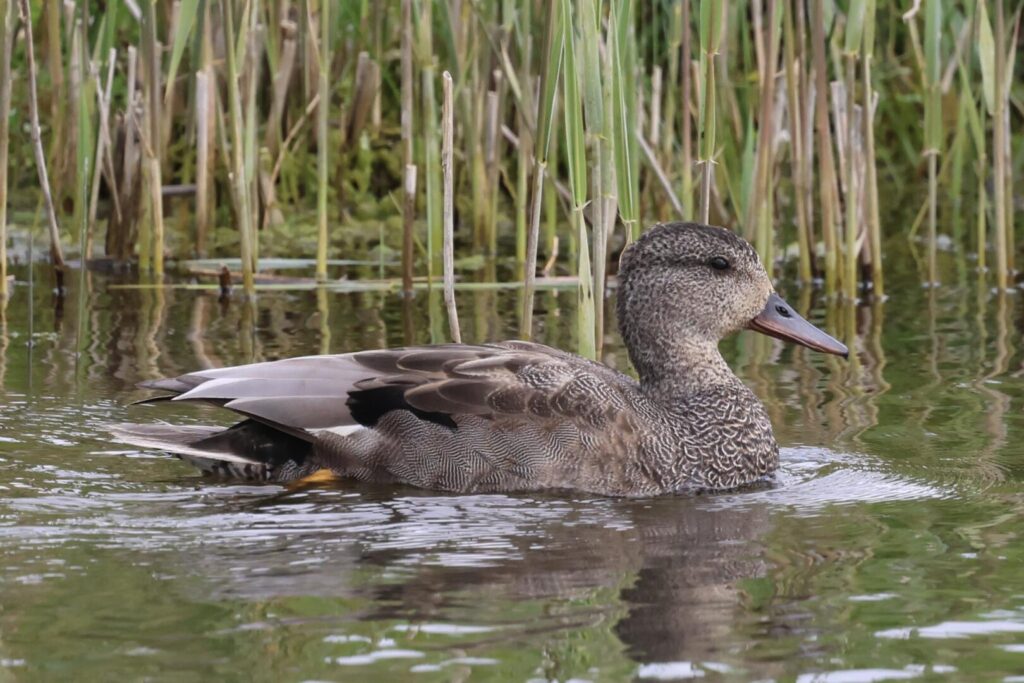
There was a scattering of duck around the scrapes. We managed to find a single drake Wigeon on the far island with several Gadwall and Shelduck. Another Gadwall swam past right in front of the hide. A small group of Teal were on Simmond’s, two drakes and three females, and the males started displaying.
Several Swallows were flying back and forth in front of the hide. A couple of times they almost came in through the viewing flaps but may or may not have been put off by us looking out. They will not be deterred for long though, and will be nesting in here in the coming weeks.
On our way back to the Visitor Centre, several Swifts were now hawking low over the edge of the reserve. They are just arriving back now from Africa. It was a good day for them – we would see several. Probably they were brought down by the cold wind and lingering over places where they could find insects. A Lesser Whitethroat was singing its rattling song in the car park.
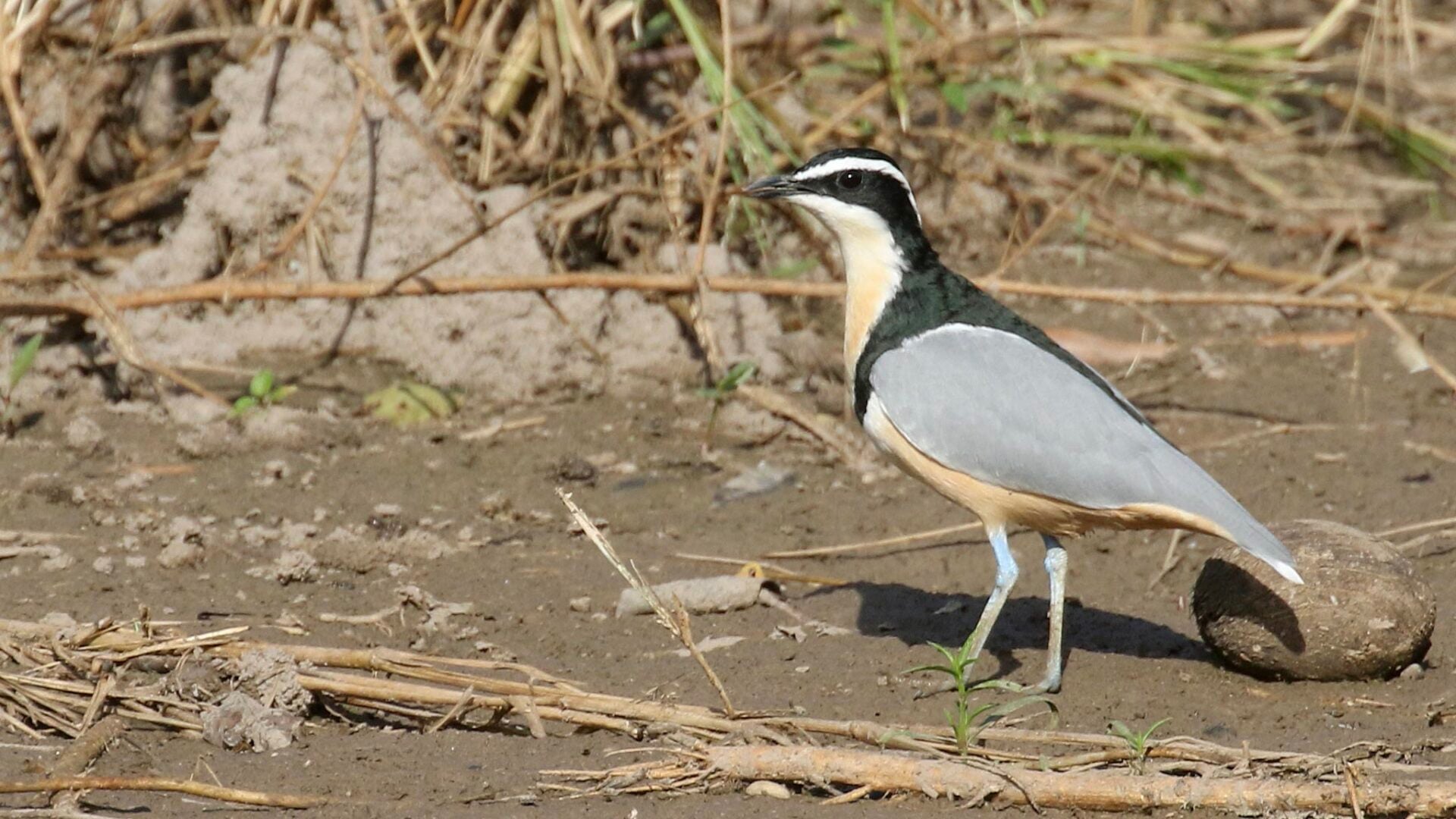
We had a break for coffee, to warm up. Afterwards we drove round to the Beach Car Park. It was very blustery out here, as we got out of the minibus. A pair of Egyptian Geese were on the edge of the Eye Field pool. We scanned the grass and managed to find a Wheatear. We walked a short way out along the shingle for a closer view, and could see two now feeding out on the short grass, both females. Stopping off on their way up to Scandinavia.
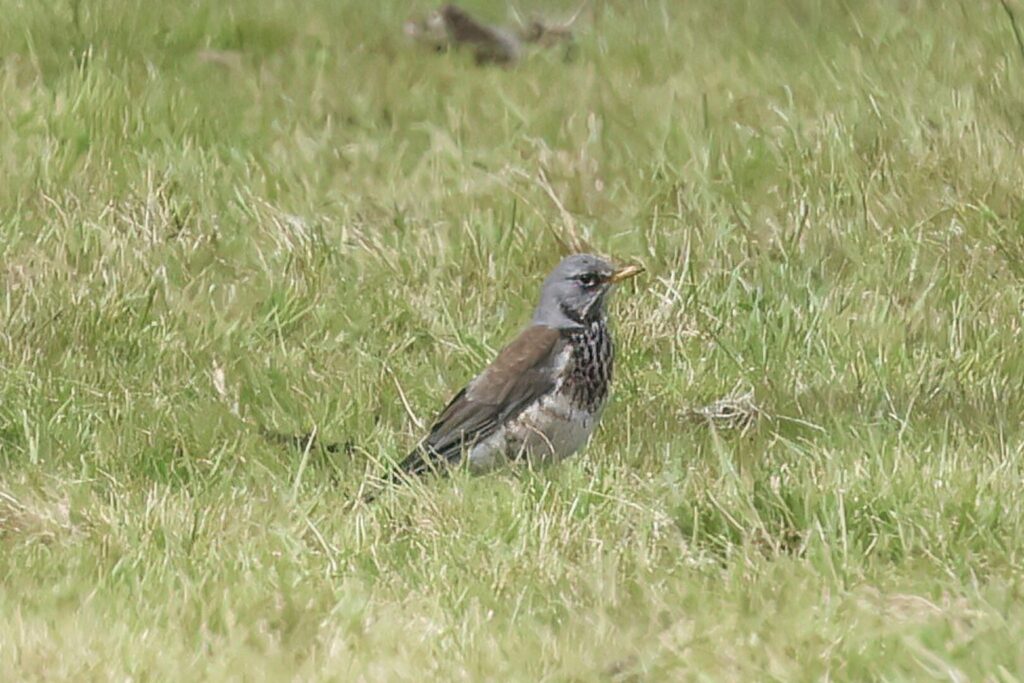
There didn’t seem to be any other migrants in the Eye Field today, so we decided not to walk on further out to North Scrape. Back in the minibus, we drove round to Iron Road. There are cows at the moment on the grazing marsh next to the parking area. Scanning to try to find a Yellow Wagtail, we were surprised to see a Fieldfare out on the grass. Regular in winter, but most have already left and just one or two stragglers still linger here.
We walked on along the Iron Road to view the pool further up. There were several more Ruff on here, different again to those we had seen earlier. A couple of Redshank were on there too, one side by side with a male Ruff for comparison. At first, there didn’t seem to be much else.
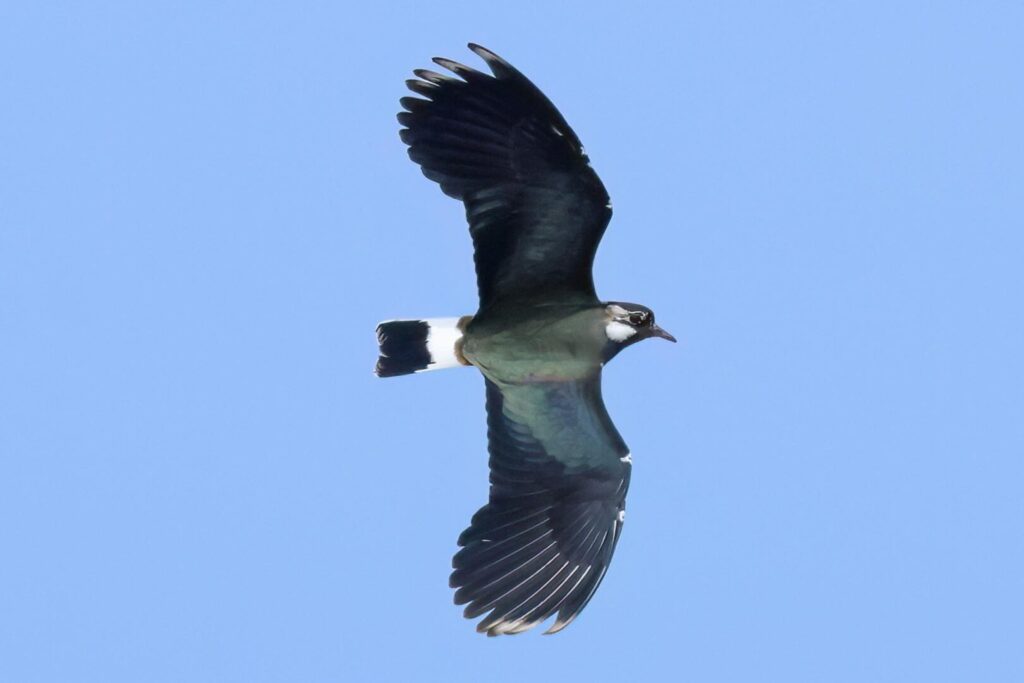
One of the group found a Yellow Wagtail in with the cows at the back, so we got it in the scope. A rather grey female. We watched it feeding right around the nose of one of the cows which was eating the grass. A Lapwing was out on the grass in front of the gate too, a female with a shorter crest, but still with smart iridescent upperparts. We got it in the scope too, to admire it.
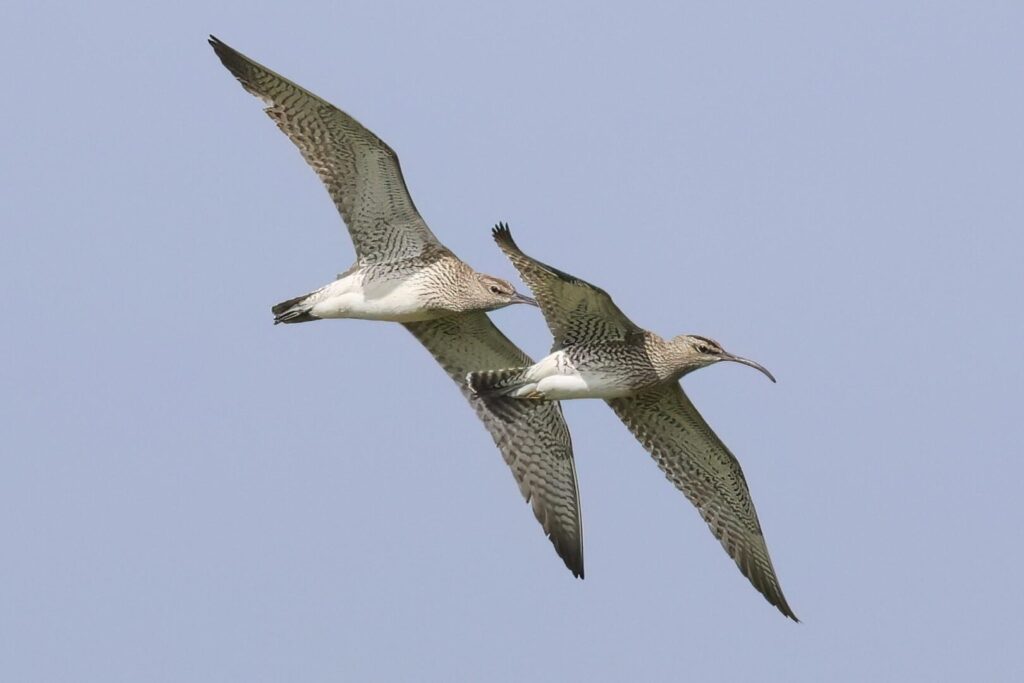
Five Whimbrel flew over behind us. Two flew in across the track and then circled round a couple of times over the water. Eventually they did land on the pool and we had good views in the scope. We could see their humbug-striped heads. Then they flew off again.
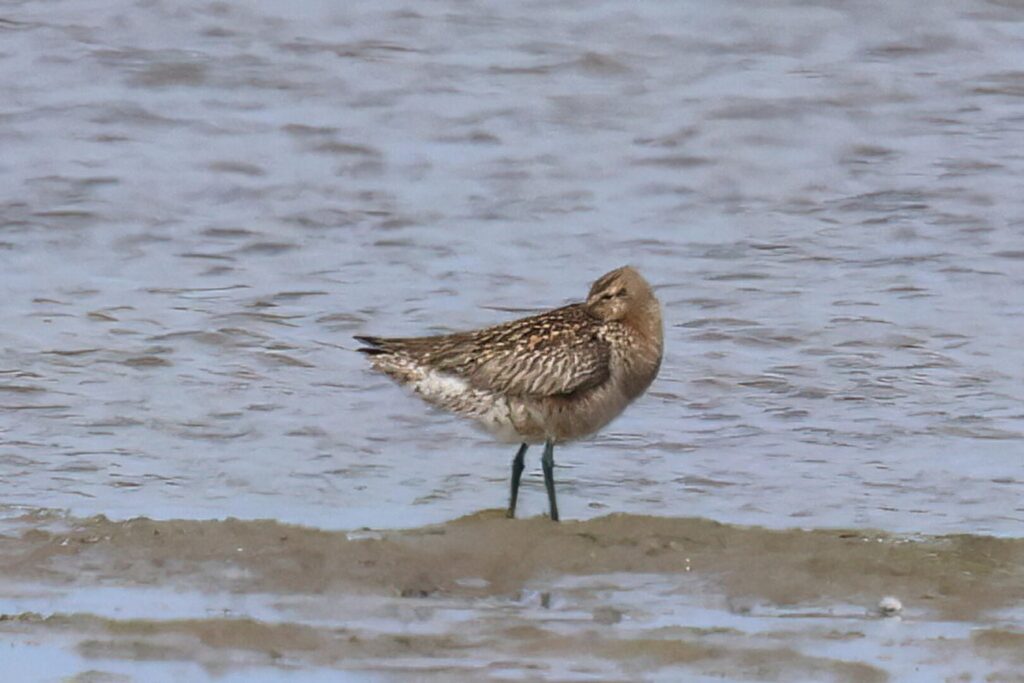
When we scanned the pool again, we noticed another large wader asleep on the island now, a Bar-tailed Godwit. It was just moulting into breeding plumage but we could still see rusty feathers extending down onto its belly. After a while, it woke up and showed off its upturned bill. Then it flew off, so we could see its plain upperwings. Presumably it had just stopped off on its way for a short rest.
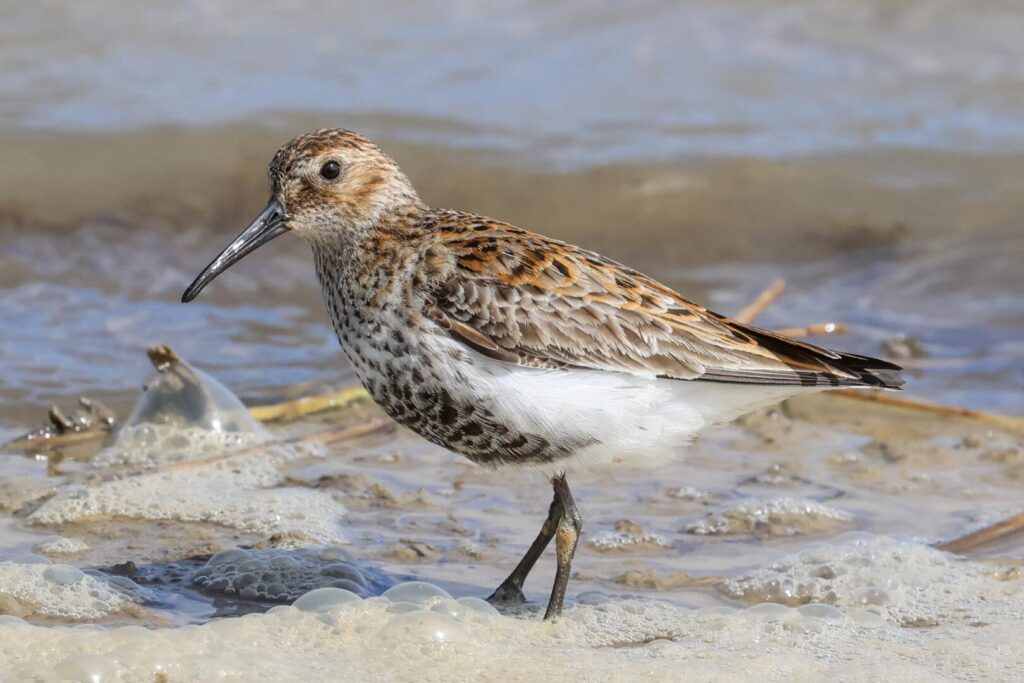
A single Dunlin appeared on the mud too, closer than the ones we had seen earlier. Quite a bright one with rusty-fringed upperparts, it was possibly a more northerly bird of the alpina subspecies.
Waders appeared to be dropping in all the time, presumably put down by the wind. We could have stayed here longer but we wanted to have a look round at Babcock Hide before lunch. As we walked back path the cows, there was no sign of any Yellow Wagtails now.
Along Attenborough Walk, a male Lapwing chased off a crow, then started to display briefly. We watched it flying up and down, singing and tumbling before it landed back down on the grass.
A Chiffchaff flew out of the isolated bushes by the fence ahead of us. Out here, presumably it was a migrant fresh in. More Swifts were hawking here and one came over low right above our heads.
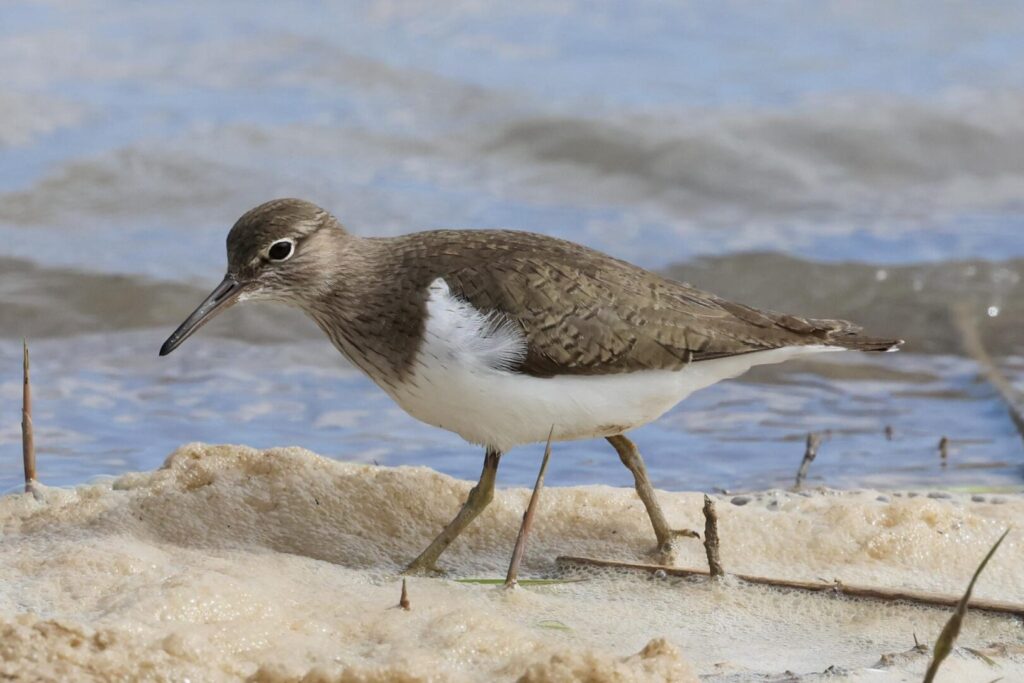
Into the hide, we could see lots of Avocets around the pool. They seem to have decamped here from the main scrapes. A Common Sandpiper was working its way round the muddy edge of the pool. Eventually it came across right in front of the hide, a lovely close-up view.
Shortly afterwards, a Dunlin did exactly the same thing. Lovely close views again. It was a slightly less rufous bird than the one we had seen by Iron Road but no less smart.
A Wheatear was hiding in the thistles on the back edge. Eventually it came out and perched nicely on a small lump of soil, a male this time. A pair of Little Ringed Plovers was over in the far corner. We were hoping the Garganey would be on show again but it had presumably found somewhere sheltered, out of the wind today.
It was time for lunch now, so we walked back to the minibus and drove back round to the Visitor Centre. The sun had come out now, and we managed to find a couple of tables out of the wind in the picnic area. A Common Whitethroat kept singing, and landed a couple of times in a small bush right beside the picnic tables. A Cetti’s Warbler flew into the bushes right behind us too, but remained more typically hard to see.
After lunch, the wind seemed to have dropped a little. We drove to East Bank and parked in front of Walsey Hills. A Reed Warbler was singing on Snipe’s Marsh and a Sedge Warbler was singing across the road in the ditch.
Up onto the bank, we found that even though it might have dropped it was still very windy. We couldn’t see anything on Don’s Pool today. We heard Bearded Tits ping a couple of times from the reeds behind but it was not a day to be looking for them today. They don’t like the wind.
The grazing marshes on the east side are drying out very quickly now. There has been next to no rain for some time now. There is still more water on the Serpentine, but all we could find here were several more Ruff and another lone Dunlin today.
Up to Arnold’s Marsh, and that looked quiet today too. It is rather exposed out here and the birds had probably gone somewhere else to get out of the wind. There were three Curlews in the water and a couple of Ringed Plovers on the shingle nearby. Round the other side of the Richardson shelter, we were out of the wind and in the sun. It was nice to sit down here for a minute and warm up. A single Turnstone was out on the Brackish Lagoon. Then we decided to brave the wind again to walk back.
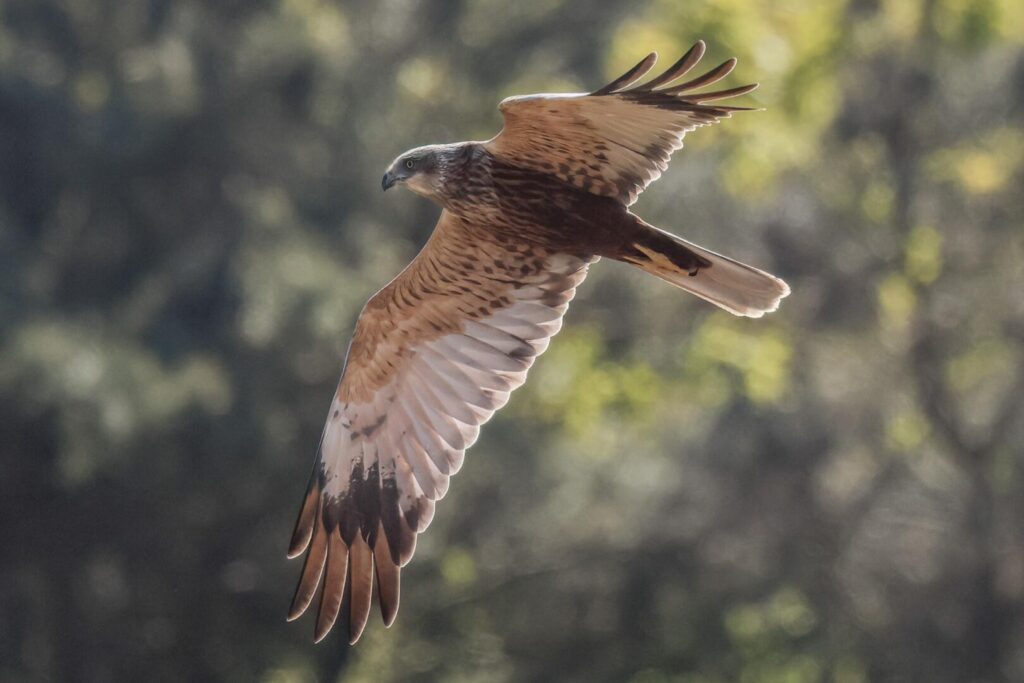
We had another quick look at the Serpentine as we passed. A single Common Snipe was now feeding in the edge of the reeds at the north end. A male Marsh Harrier was flying round over the reeds behind Don’s Pool. It kept hovering above the same spot, possibly having seen something below. Eventually it gave up, flying off over the road and disappearing inland behind Walsey Hills.
As we hadn’t spent long here, we had time for one last walk. We decided to head over to Kelling and try to get out of the wind in the lane. Our arrival coincided with the end of the school run and the road was very busy but thankfully we managed to find a place to park.
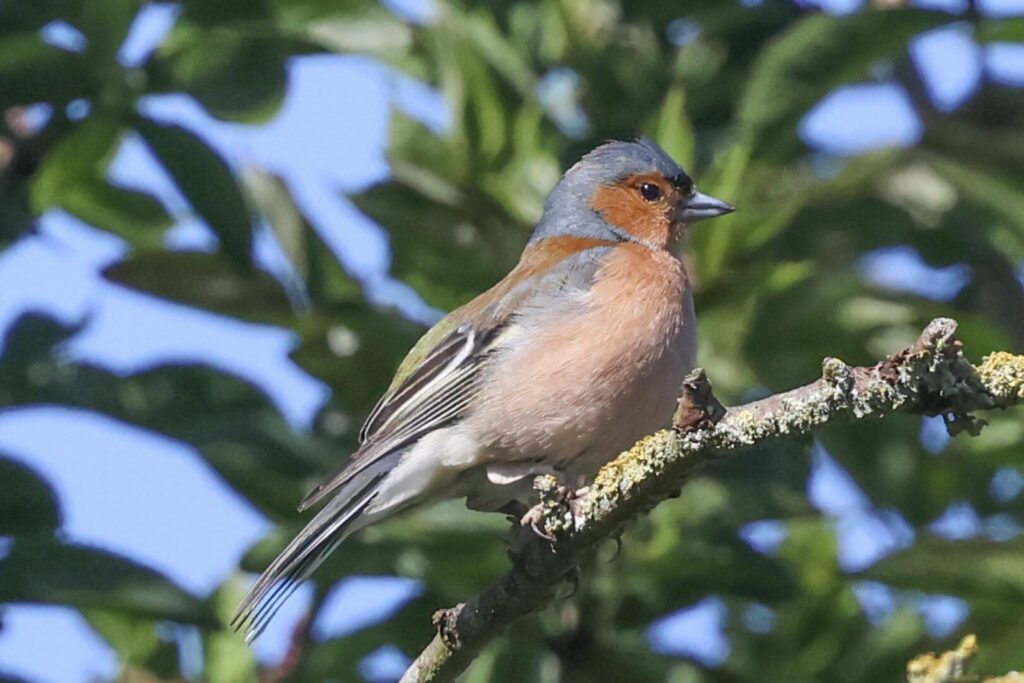
Walking up the lane, we heard a Blackcap singing, a Lesser Whitethroat rattling in the next hedge over, and then a Chiffchaff. A male Chaffinch flew up and landed in a dead tree above the path. Just beyond, a couple of Common Whitethroats were singing too.
The wind was managing to get down even behind the hedges here, though not as bad as out in the open. It meant there were fewer butterflies today, but we still managed to see several Green-veined Whites, Orange-tip, Holly Blue and Peacock. Stopping to scan from the gate, we could see several Brown Hares in the field beyond. A Muntjac was lurking by the brambles along the back fence and a Chinese Water Deer eating the watercress on the Water Meadow.
Continuing on, another Lesser Whitethroat was singing in the hedge. Further ahead, a Red Kite was chased off by a Rook over the fields by the Quags.
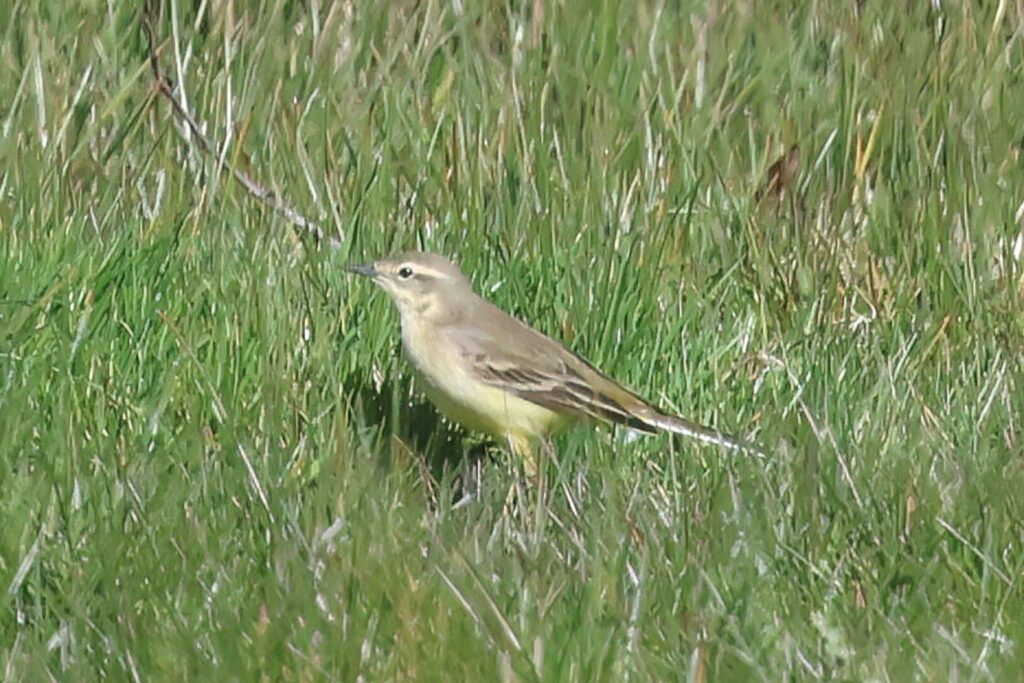
Looked over the brambles to check the pool, we could see a Coot on the water. There were several Greylags and Mallard, plus a pair of Oystercatchers on grass. No sign of the family of Egyptian Geese today – the number of young have been gradually dwindling. We did find a female Yellow Wagtail on the edge of the pool with a Pied Wagtail briefly, before they both flew off.
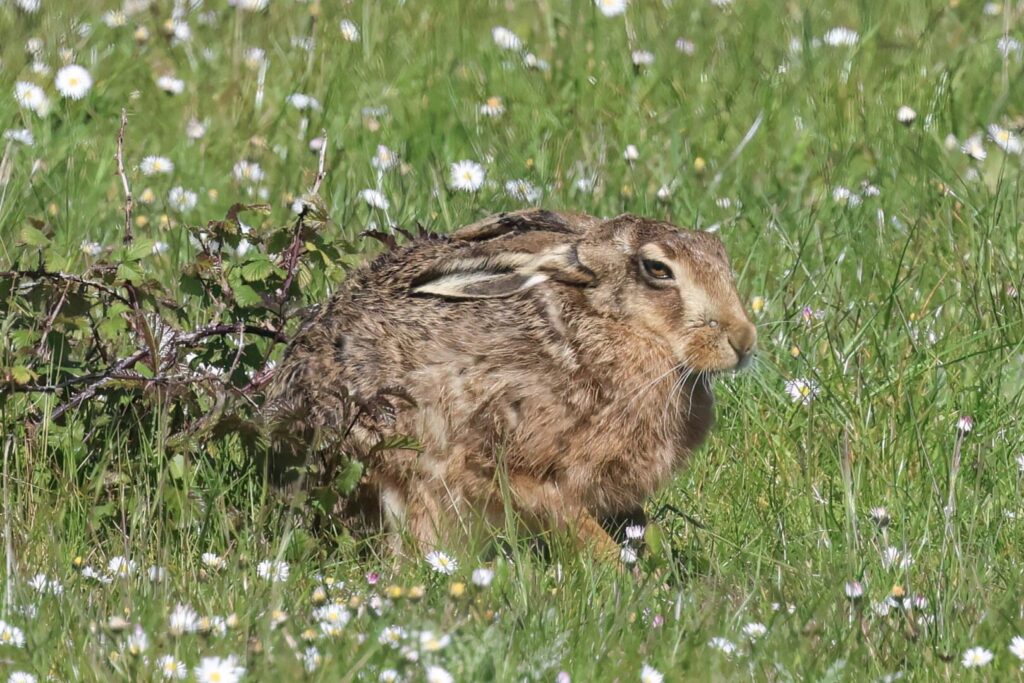
We carried on down to the corner and turned down towards the Hard. A flock of Linnets and a few Goldfinches whirled round over the field. We could hear a Cetti’s Warbler shouting and Common Whitethroat calling from the brambles. Lots of Sand Martins were hawking low over the pool and over the track ahead of us. A closer Brown Hare was sheltering behind a small tuft of bramble in the grassy field beyond.
A male Stonechat was perched up on top on the edge of the bramble field. It flew down out of the wind but landed again on the brambled where we had a nice view of it in the scope. Several Linnets were in the brambles too and a couple of Common Whitethroats. Another pair of Stonechats were down behind the beach.
We had a quick look up the hill towards the gun emplacements. Back out into the wind, it was still cold. There was nothing out to sea beyond a few gulls. We couldn’t see anything in the sheep field either and all the sheep were huddled over the far side, behind the fence. Then it was time to walk back.
As we drove back along the coast road towards Wells, we could see a small group of Brent Geese feeding in the wheat field between Blakeney and Morston. Of all the winter geese, they are the last to leave. No hurry to get back to north-central Siberia yet. We chuckled to see them feeding right next to a scarecrow, completely ignoring it!
We dropped half the group in Wells and said our goodbyes to the rest back in Hindolveston. It had been a tricky day at times with the cold wind, but despite that we had still managed to see a very good selection of spring migrants.