Day 2 of a 3-day Late Autumn tour. After a grey and misty start, it gradually brightened up through the morning and their were even some nice sunny spells for a while early afternoon. We started the day at Cromer and worked our way back west along the coast to Cley.
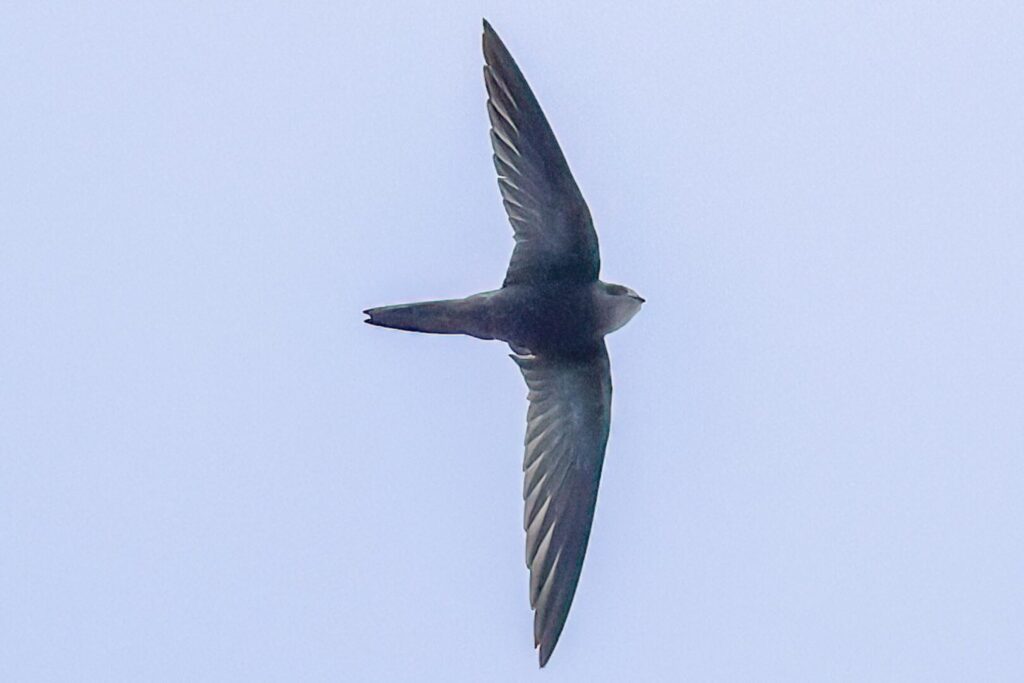
There had been a Pallid Swift at Cromer yesterday afternoon and it looked like it had gone to roost there as the light faded. So we were pleased when an early message came through that it was still present first thing. After meeting in Hindolveston, we headed straight over there this morning. The mist thickened as we drove past Sheringham, which we figured might help to hold it and stop it from moving off.
When we got to the seafront at Cromer, there was no sign of the Pallid Swift at first. There were several other people here looking for it. It had earlier been seen over the buildings on the front but had apparently then been ranging widely over town. Then it reappeared further back, visible looking straight down one of the side streets. We had a couple of brief views of it before it disappeared behind the rooftops again.
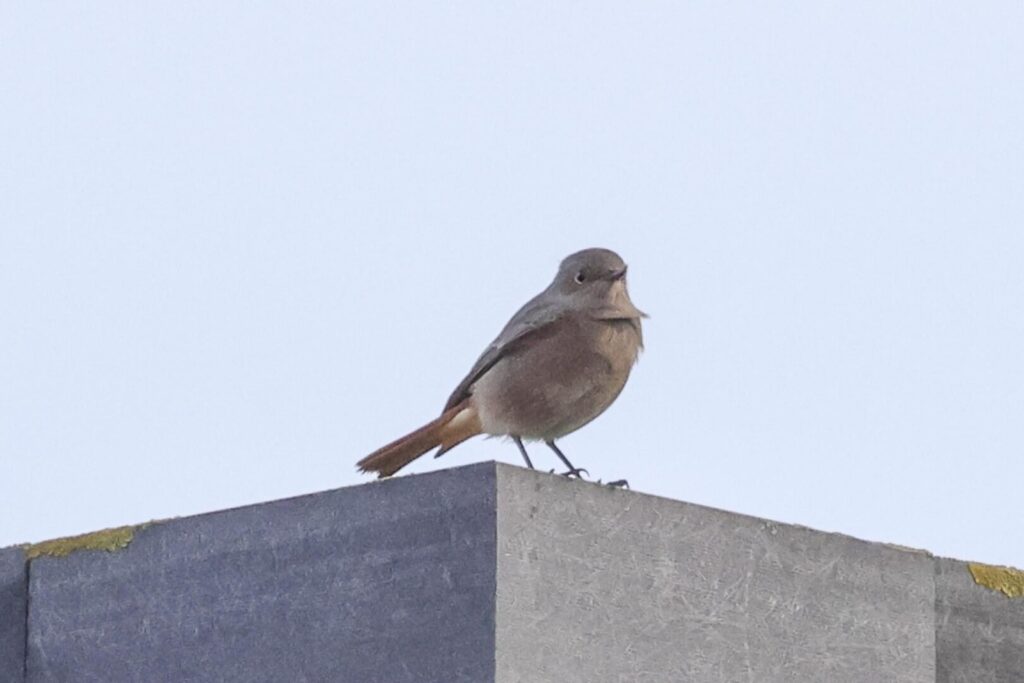
We figured we would be better of looking from the far end of the street where we had just seen it. As we started to walk down, someone mentioned that there were several Black Redstarts on a nearby building. Looking over, we could just see one flicking around on the roof. We would like to have a closer look but the priority was the Pallid Swift, in case it flew off. We could come back to the Black Redstarts later.
From the far end of the street, we could see the Pallid Swift again now but it was very distant, over the far side of the town. We watched it for a while – though it was hard to appreciate the differences from a Common Swift at that range. They are subtle even close up. We could see its slower, more regular wingbeats with lots of glides. Another Black Redstart distantly on the roof opposite provided a brief distraction.
After a while, the Pallid Swift started to come a little closer. It flew around over the church tower, then was mobbed by Pied Wagtail which was flying over. That possibly did us a favour as the Pallid Swift then headed straight towards us. For several minutes it fed overhead, right above us at times so we were craning our necks. The sky was still rather grey and the light poor, but in one brighter spell we could see it was a little browner, less black than a Common Swift.
Eventually the Pallid Swift drifted off again. We decided to walk back towards the seafront to try for a better look at the Black Redstarts. There were several still around the rooftops though they were very active. We got the scope from the minibus but they hard to get in at first as they were constantly on the move. They kept disappearing behind the chimneys and over the ridges.
After a while, everyone managed to get a good look at one of the Black Redstarts in the scope. There was a Grey Wagtail briefly too, several House Sparrows, and a few Blue Tits checking out the gutters.
We walked back over to the top of the cliffs to look at the sea. One of the group already there had spotted an adult Peregrine distantly on the side of one of the turrets on top of the church. We got that in the scopes, albeit it was rather distant and it was still misty. When it flew up to the top it was a little easier to see.

Scanning out to sea, we could see plenty of gulls and a few Cormorants but not much else this morning. Two very distant Red-throated Divers flew past.
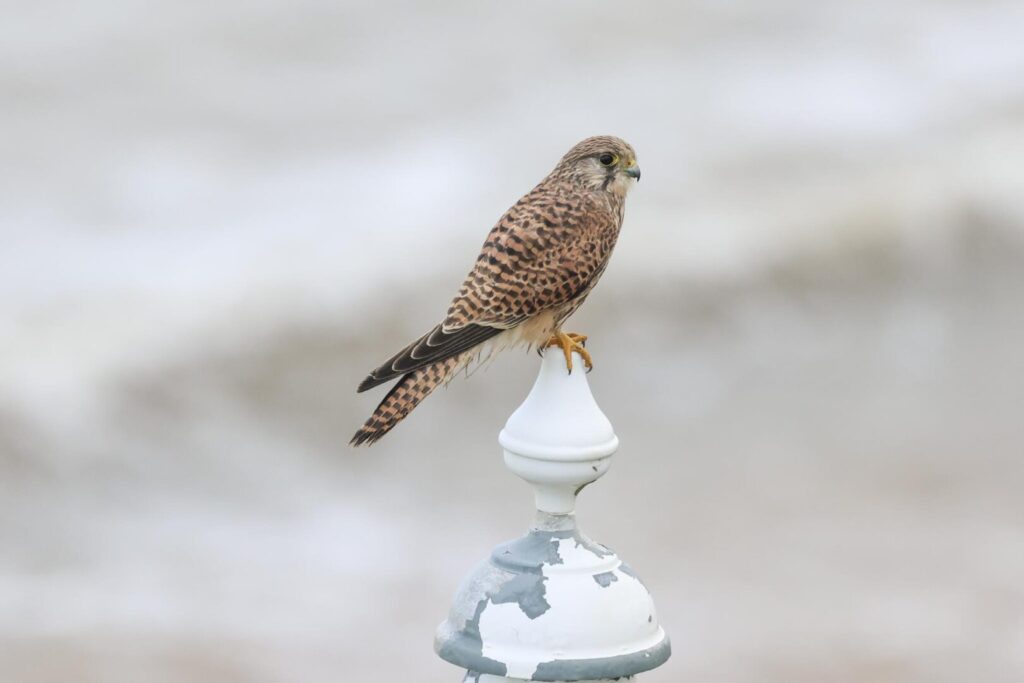
A Kestrel flew in and started hovering over the cliffs right behind us. Then it landed on the top of a tower on one of the buildings below. There were still three different Black Redstarts on the roof of one of the buildings on the front. A couple of large skeins of Pink-footed Geese flew west over town – possibly coming up from the Broads. The Pallid Swift drifted back in and flew round over buildings this side for a couple of minutes.
Having enjoyed great views of the Pallid Swift, we decided to move on. There had been a Dusky Warbler reported at Beeston Bump this morning. As we would be driving right past, we decided to stop quickly to have a look.
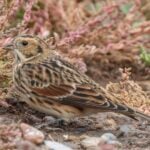
As we walked in down the lane, we stopped to look into the allotments just before the railway. A pipit flew up from behind the raised beds and sheds, up into an oak tree above. Unfortunately, we couldn’t see it as it was well hidden in the leaves. It seemed like an unusual place and behaviour for a Meadow Pipit. Then it flew out and straight across the railway, and we lost it from view.
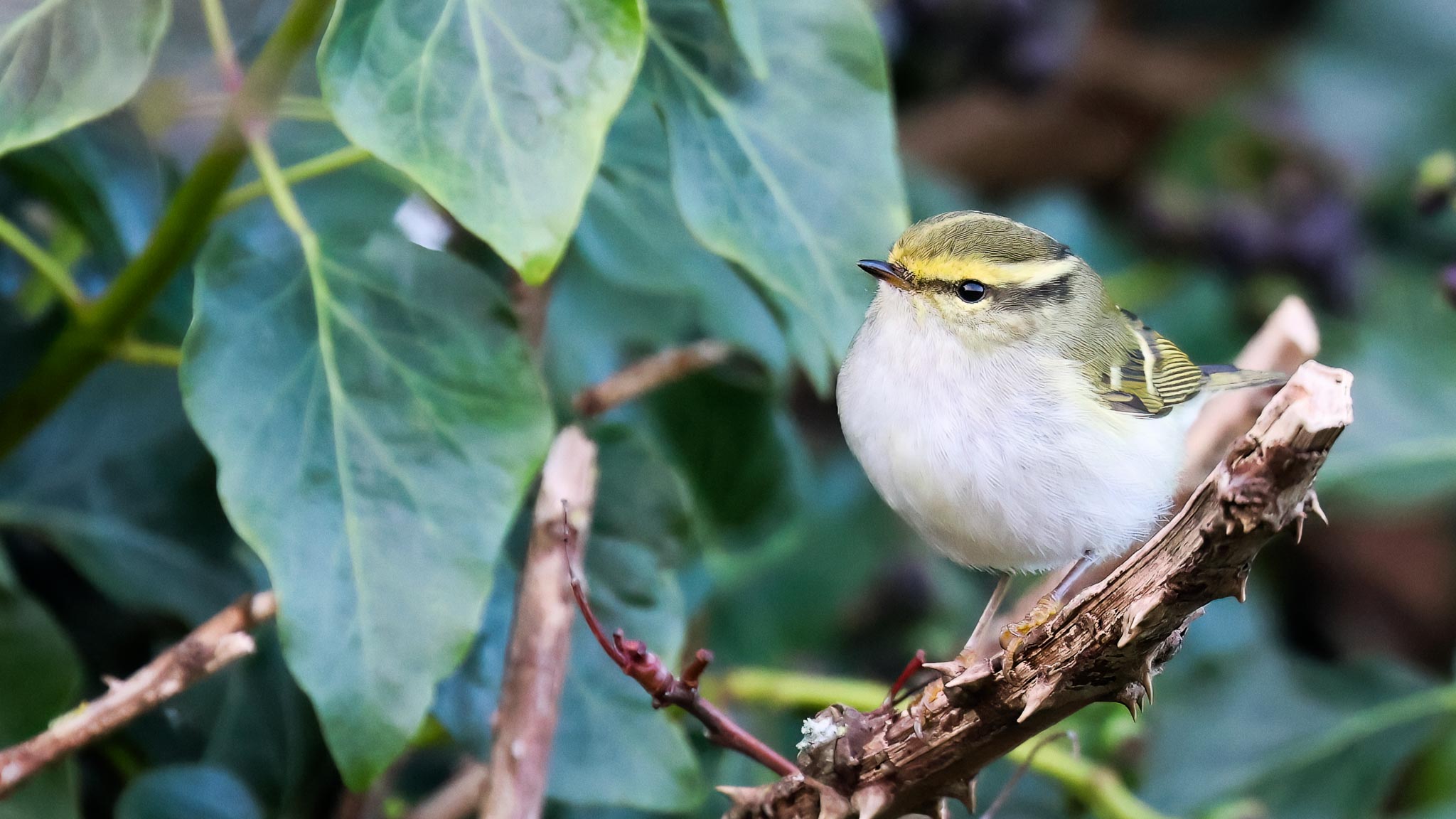
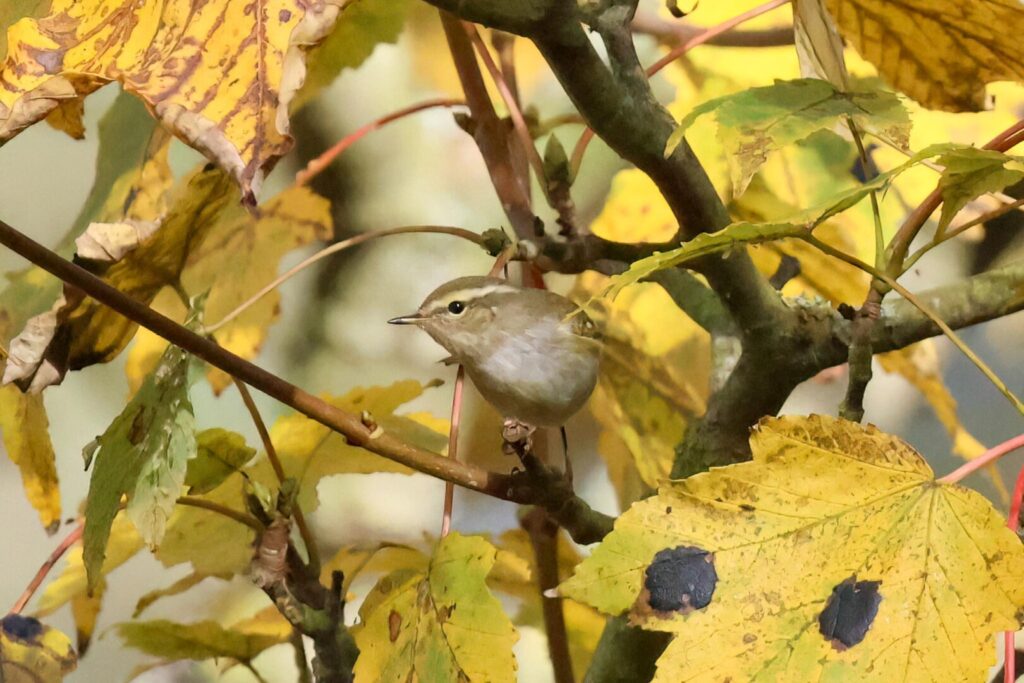
We walked on over the level crossing. One of locals, who was just leaving, told us that there was a Yellow-browed Warbler in the trees just ahead so we walked over to try to see it. A couple of other people were looking into the sycamores and one quickly found it a little further up. Always tricky birds to see, this one was not as active and mostly feeding lower than some, possibly due to the grey, misty weather. At times it showed quite well, if you were in the right place. Eventually we all got good views of it.
There was apparently no further sign of the Dusky Warbler. Not a great surprise, as they are particularly skulking. We would need to wait, possibly for several hours, until it started to call again if we wanted to try to see it. We did have a quick walk round, to see if we could find anything else. There were several Blackbirds in the bushes but not the number of yesterday. Most had moved on. A couple of Redwings flew over and a small flock of Starlings. A Green Woodpecker called.
Several Robins flicking in and out of the small trees and bushes in the open grass were probably migrants. At least one had obviously greyer upperparts, so appeared to be a Continental bird. A couple of Goldcrests were feeding in the brambles. We walked back beside the railway but there was no sound of Dusky Warbler. We also had a quick look where the pipit from earlier had seemed to drop down, but there was no sign of that either.
Back to the minibus, we continued west to Cley. We stopped at the Visitor Centre to use the facilities first and get a coffee. It was already nearly lunchtime, so we stopped to have a quick scan from the terrace. The sun was coming out now too. We quickly located the lingering Whinchat perched up on the bulrushes. We got it in the scope and watched it flycatching. Very late – it should be in Africa now. It is possibly the first November Whinchat we have seen in Norfolk, but it is not completely unprecedented.
There were lots of waders and ducks out on Pat’s Pool and a couple of Marsh Harriers up over the reedbed beyond. We would head out onto the reserve later, but now it was time for lunch. We sat in the picnic area in the sunshine – was this really November?! A Red Kite and a Common Buzzard drifted in from the east and out over the scrapes. All the waders and ducks flushed and flew round but most landed again.
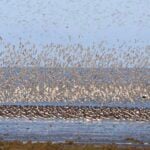
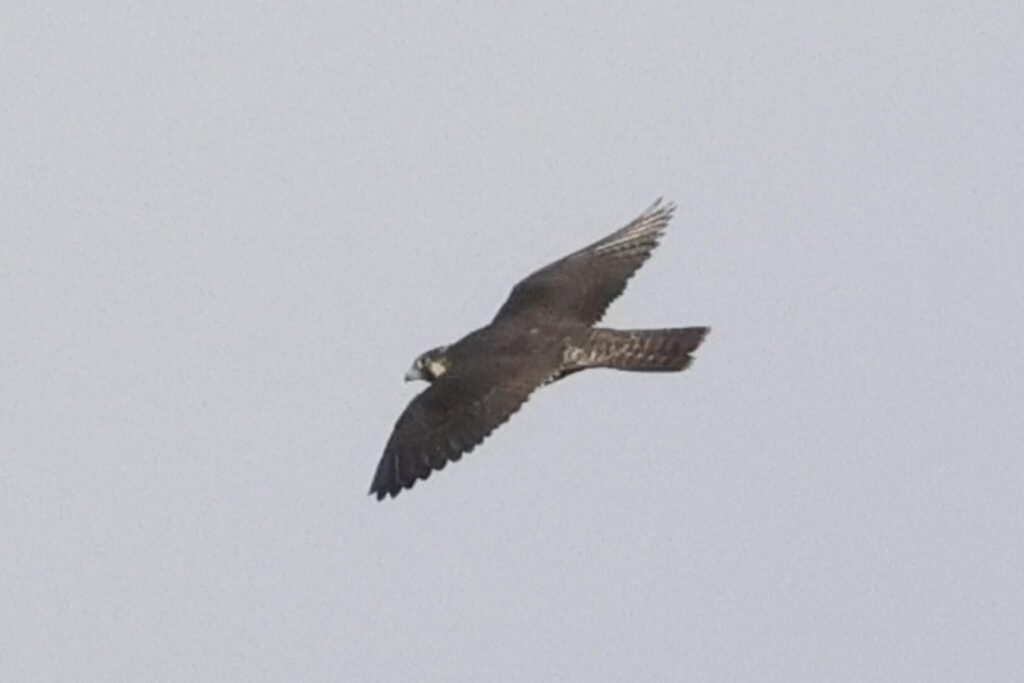
When everything went up again, they seemed more determined, more worried. This time a juvenile Peregrine was circling in amongst them now. We watched it as it drifted over, the flocks of Lapwings gaining height above. A couple of the Lapwings had a go at the Peregrine, swooping at it from above and behind where they were would be out of range of its talons. Eventually the Peregrine drifted off.
After lunch, we headed out to Bishop Hide. Down on The Skirts, the Whinchat was now flycatching from the bulrushes closer to the path. There was a pair of Stonechats here too. We stopped to watch, and had much better views of the Whinchat in the scope now.

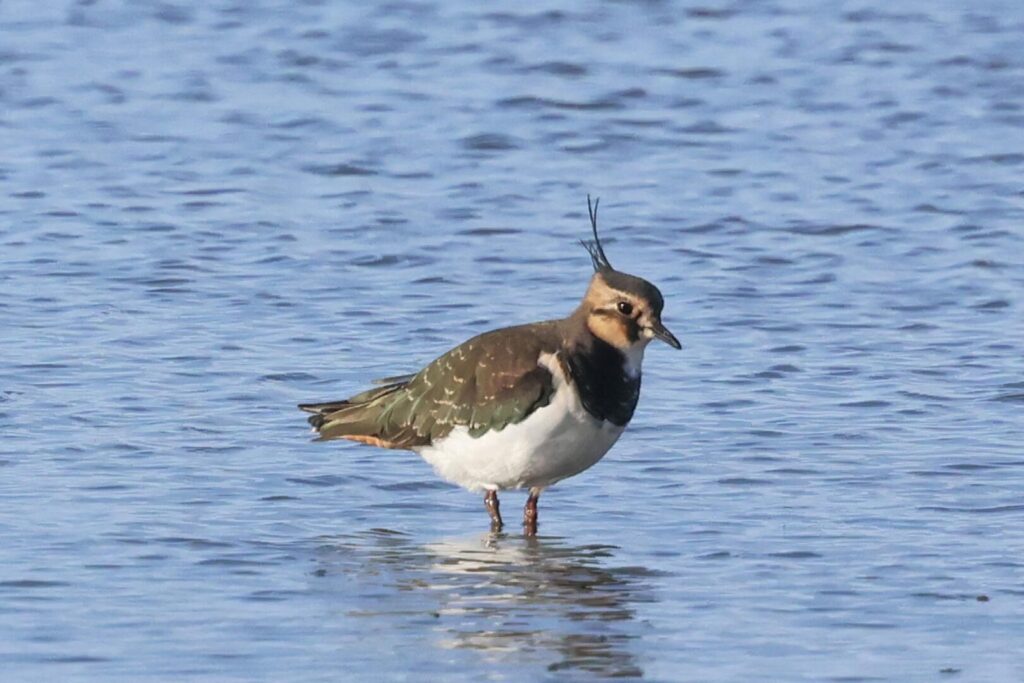
When we got in to the hide, we found that the Peregrine had done a good job, and flushed most of birds. Things were started to drift back in but only slowly. Several Lapwings were already standing around in the shallow water and more were dropping in. A few Golden Plover were bathing in amongst them, looking smart in the sunshine. There were several Ruff, a Black-tailed Godwit landed at the front and a few Dunlin started to come back in too.
One of the group spotted a Water Pipit on the edge of the water distantly off to the left of the hide. It was walking in and out of the reeds and hard to see until it came out onto the mud from time to time. Several Common Snipe were over that side too, mostly asleep. At one point one of the Snipe chased the Water Pipit out into the open briefly.
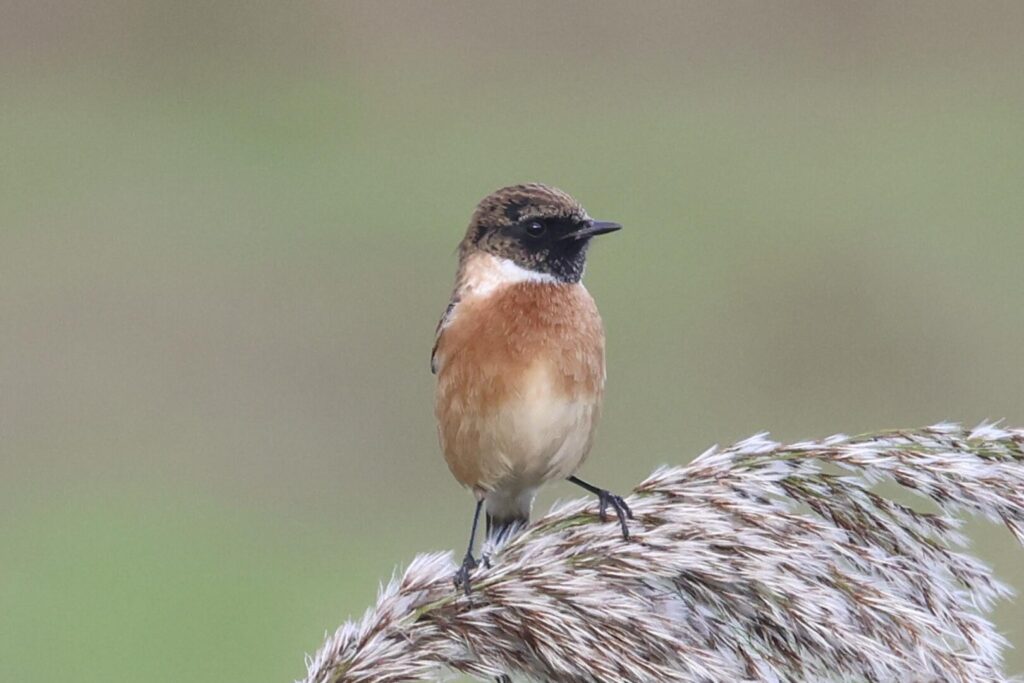
Back to the Visitor Centre, we drove the short distance round to the East Bank. There were a couple of Coot and Shoveler on Don’s Pool and a male Stonechat flycatching from the reeds opposite. There were not many ducks on the first bit of the grazing marsh, no Teal in the pools. Presumably they had all been stirred up by the Peregrine too earlier.
There were some Wigeon out on the grass further up, towards the Serpentine. There were more ducks further back on Pope’s Pool too – more Shoveler, Wigeon, and several Shelduck. A few Meadow Pipits were feeding in the wet grass and a Water Pipit briefly but it flew off just as we walked up.
Scanning, we managed to locate a couple of Common Snipe quite quickly, asleep in grass. Further up, we found our first Jack Snipe. It was very hard to seem though, asleep and tucked deep into the grass. Another Jack Snipe a bit further on was a bit more obvious against the browner grass but it was asleep again. A Kingfisher flashed past over the Serpentine and disappeared behind the reeds below the bank further back. A little later, it came back the other way and disappeared down into the main drain.
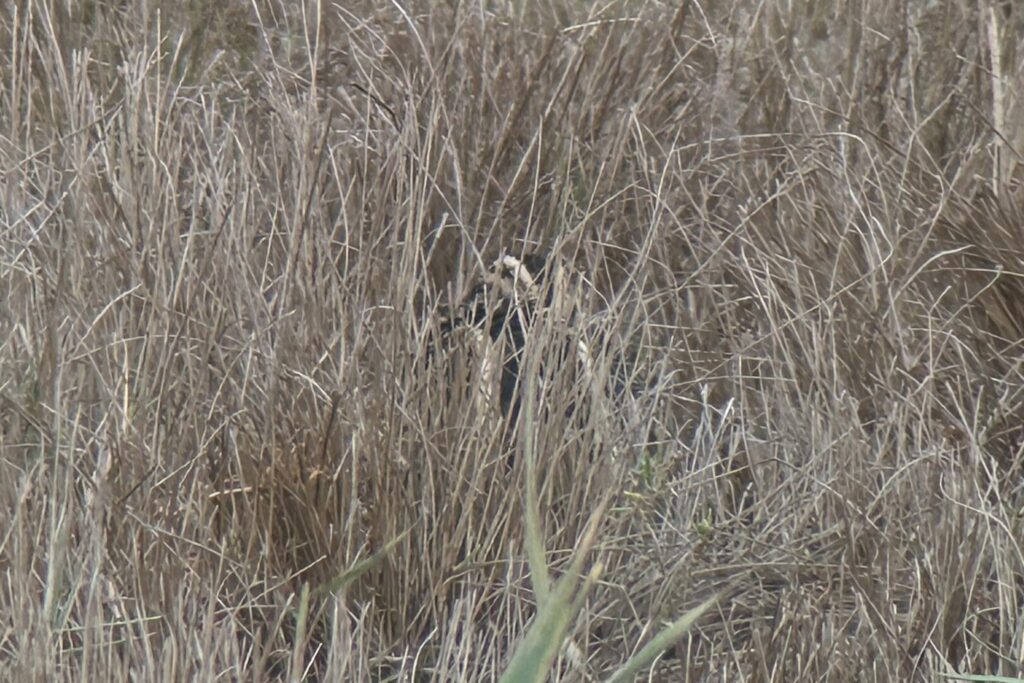
We continued on and stopped again at Arnold’s Marsh. A Spotted Redshank called a couple of times behind us but we couldn’t see it at first. It was behind one of the small islands and than called again as it came out briefly. When it walked back behind we could still just see it looking through the vegetation on top. It was not a great view but we did have a good comparison with a nearby Common Redshank at one point.
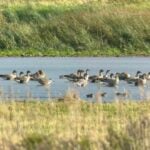
The water level up on Arnold’s Marsh had gone up quite a bit after this morning’s high tide. There were lots of Teal today, presumably settled on here after getting flushed from the rest of the reserve. We picked up three Pintail at the back, upending. There were not so many waders now though, mainly Common Redshanks and a couple of Curlews. We managed to pick out a single Grey Plover over on the far side.
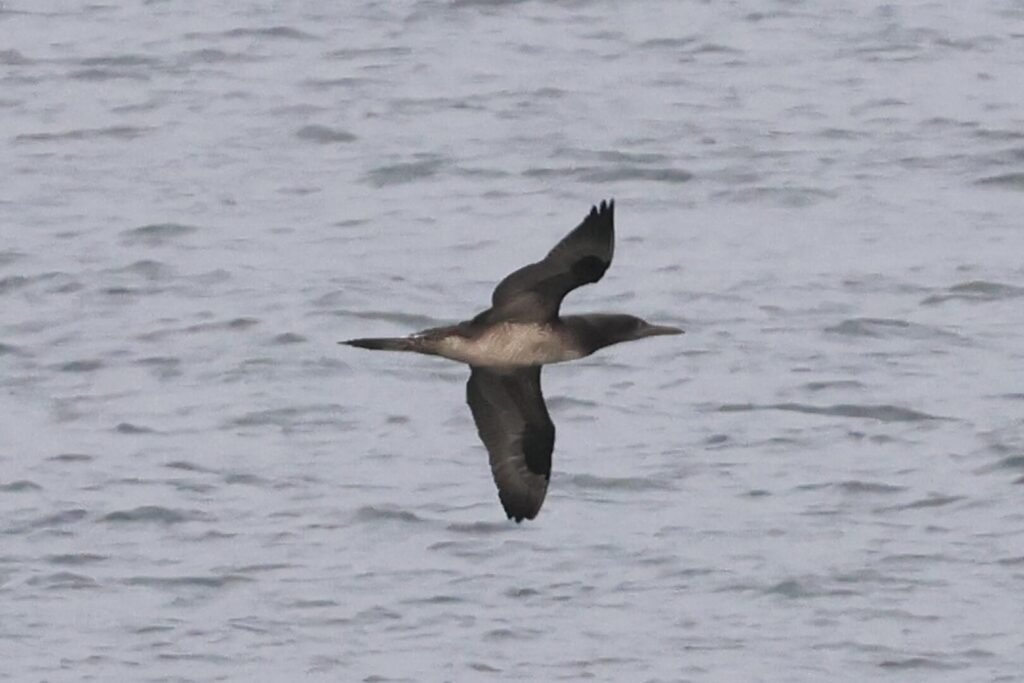
Continuing on out to the beach, the sea was pretty much flat calm today. We could see a couple of Cormorants out on the water but not much else, no sign of any divers now. A single juvenile Gannet drifted past. The were a couple of Grey Seals offshore and we could see a lot more on the sand out on the end of Blakeney Point, off in the distance.
We could still hear the Spotted Redshank calling, so we trained the scopes on it again. It was a better view from here, as we were looking back to the other side of the small island. We could see its white fore-supercilium and longer, needle-fine bill.
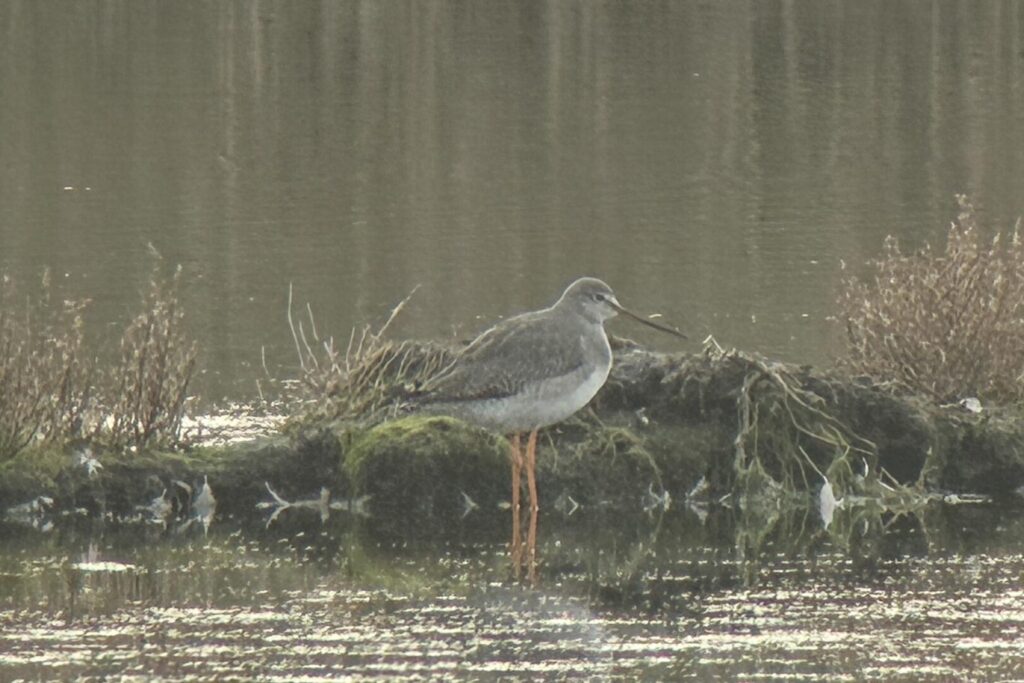
The light was starting to go now, so we headed back. We had hoped that the Jack Snipe might be starting to wake up but they were still fast asleep. We found a third Jack Snipe now, asleep too. A nice Common Snipe was feeding in the grass at first, but then that went to sleep too.
Several Pied Wagtails flew in and landed on the Serpentine. They were gathering to roost, shortly to head in to the reedbed and roost communally. Several flocks of Starlings flew back and forth over the reeds. The Marsh Harriers were gathering to roost now too, and we counted at least out over the reedbeds.

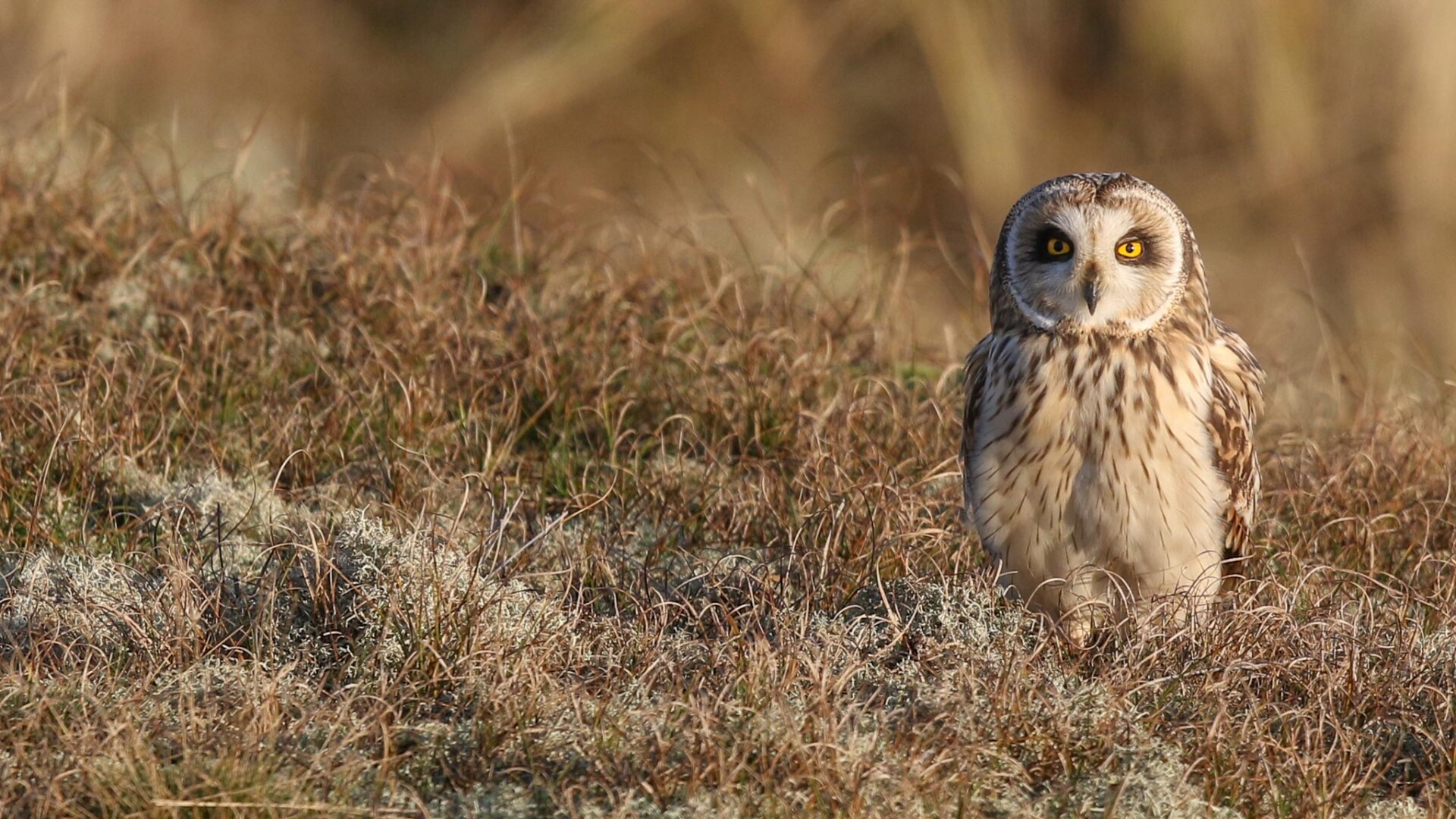
There was not enough time now to get out to any of the other hides. We decided to drive round to Beach Road to see if there was any further sign of the Short-eared Owl which had been reported there earlier. A small group of Brent Geese were still feeding in the Eye Field. About a dozen Cattle Egrets came up from the Freshes briefly but disappeared back down behind the bank.
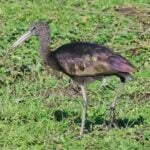
We had been hoping that the Glossy Ibis might fly in past us on the East Bank, as they had been feeding out towards Salthouse much of this week. But we saw a message now to say that they were already on North Scrape, where had been going to roost. Unfortunately we just couldn’t see them from here. Another report then came in that 30 Cattle Egrets had flown in to North Foreland to roost. We could just see lots of white specks distantly in the tops of the trees.
Our attention was diverted by Pink-footed Geese. We heard them calling and looked over to see that the sky south of the village was full of them. Thousands, probably at around 10,000, were flying across against the sky above the village. Skeins and skeins, an amazing sight. Coming off the fields where they had been feeding and heading in to roost.
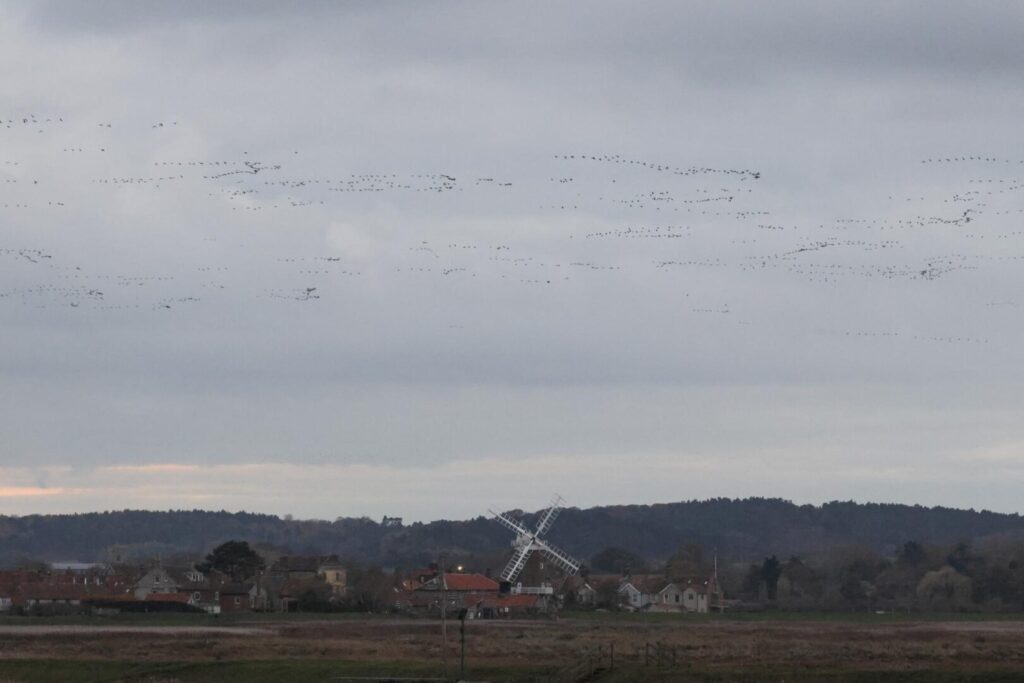
A few thousand of the Pink-footed Geese peeled off and circled round over the reserve, dropping down towards the scrapes. Several hundred dropped down onto Bull Marsh where we could see them now standing in the grass. The larger part of the skeins continued on west though, and we watched them heading on to roost at Wells.
A truly spectacular sight and a great way to end the day. Time to head back, and maybe still time for tea and cake. Still another day to go tomorrow.