Day 1 of a 3-day Late Autumn Tour in Norfolk. It was a foggy start inland but it had already burnt back by the time we got to the North Norfolk coast. From then on, it was a lovely bright, sunny autumn day, warm with light SE winds.
As we drove down Old Woman’s Lane towards the Coast Road at Cley, we could see it was clear out to the sea and beyond. So we decided to drive down to the beach car park first, to have a look at the sea.
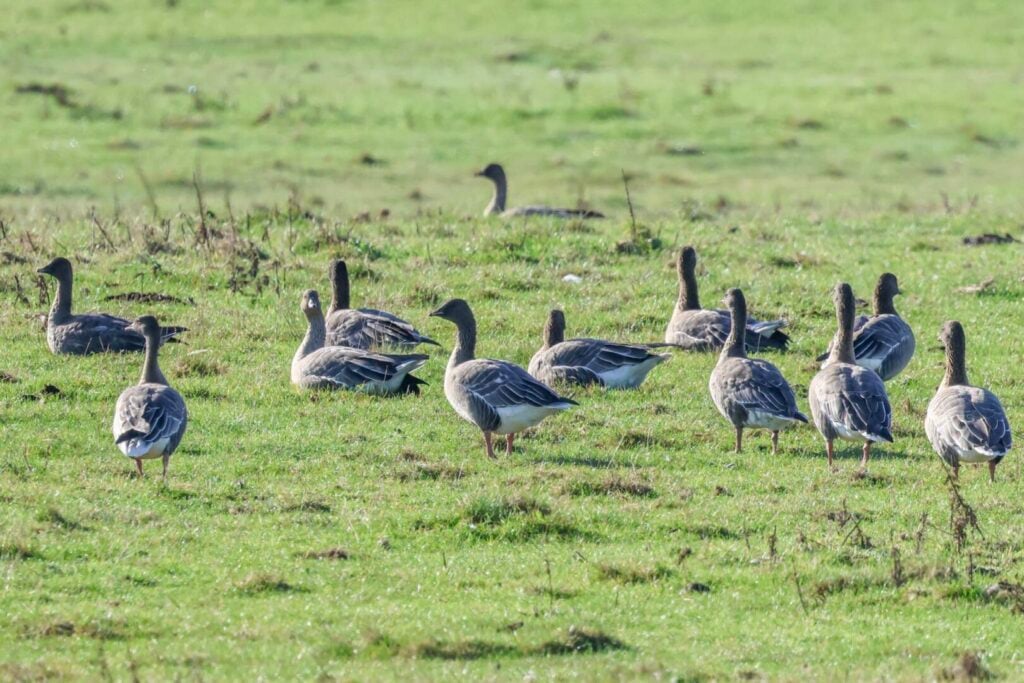
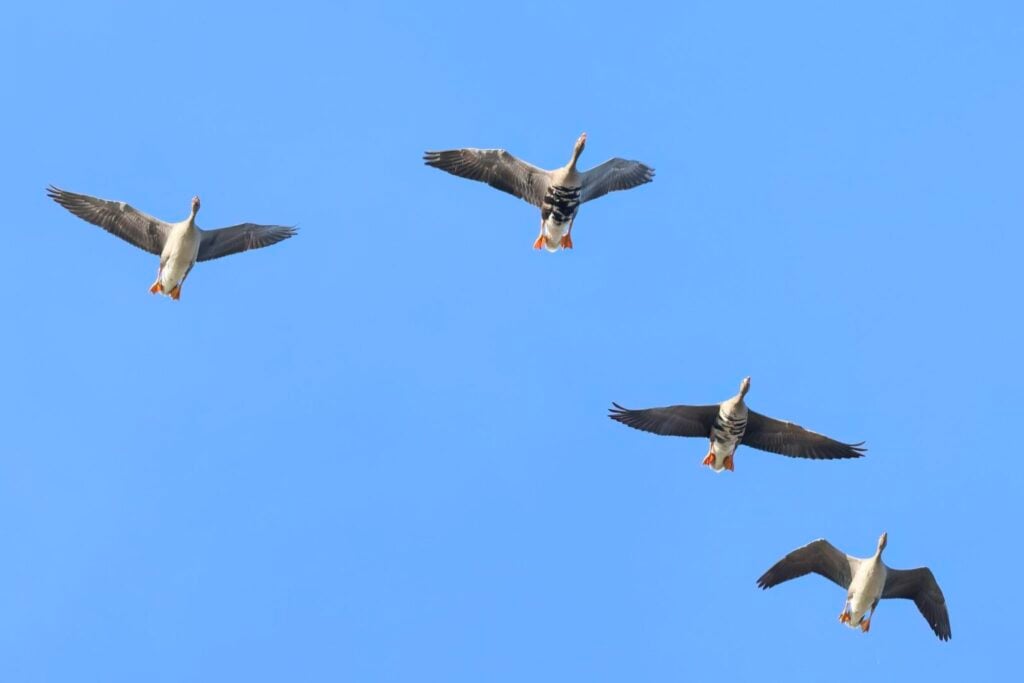
Getting out of the minibus, there were lots of geese in the Eye Field – Pink-footed Geese, Greylags and Canada Geese all mixed together. A few Brent Geese started to fly in and drop down with them too. We could see a huge flock of Pink-footed Geese distantly in the skies beyond Cley and hear some closer, flying round over Blakeney Freshes. More Greylags flew in, honking industrially. Quite a different sound!
Several Meadow Pipits flew round and a couple landed on the Eye Field fence. A couple of Skylarks went over calling. A single Stonechat was perched on the wires much further off to the east. Two Chaffinches flew over high above our heads, presumably migrants arriving.
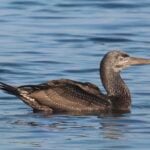
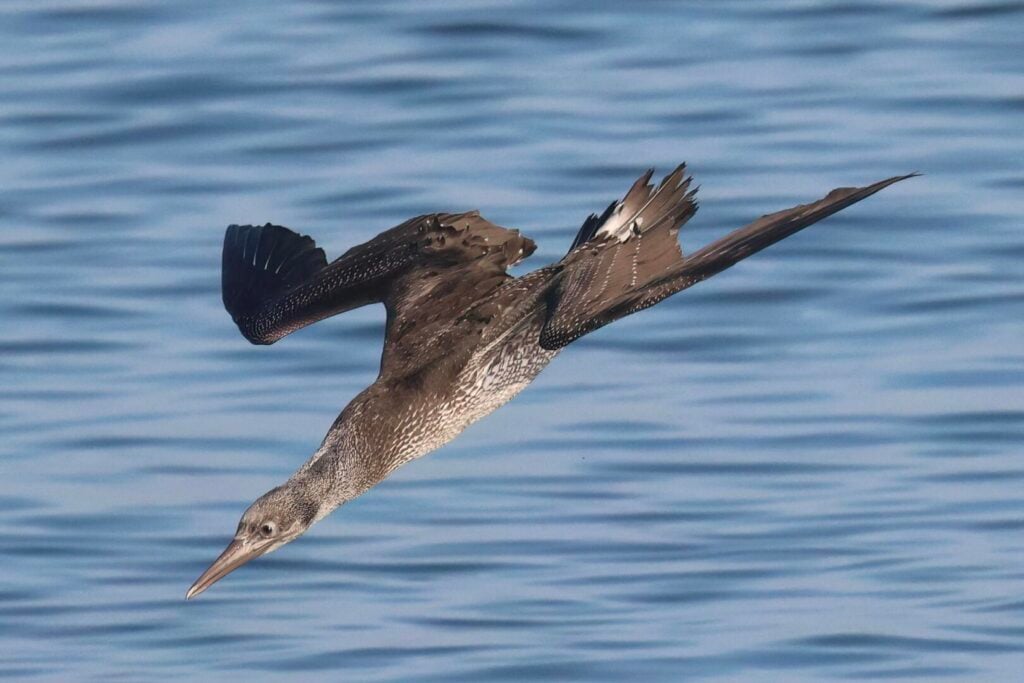
From where we were standing in the car park, we saw a young Gannet over the shingle, as it turned and dived down just offshore. Up onto the bank, we could see there were lots of juvenile Gannets loafing on the sea and flying round just off the beach.
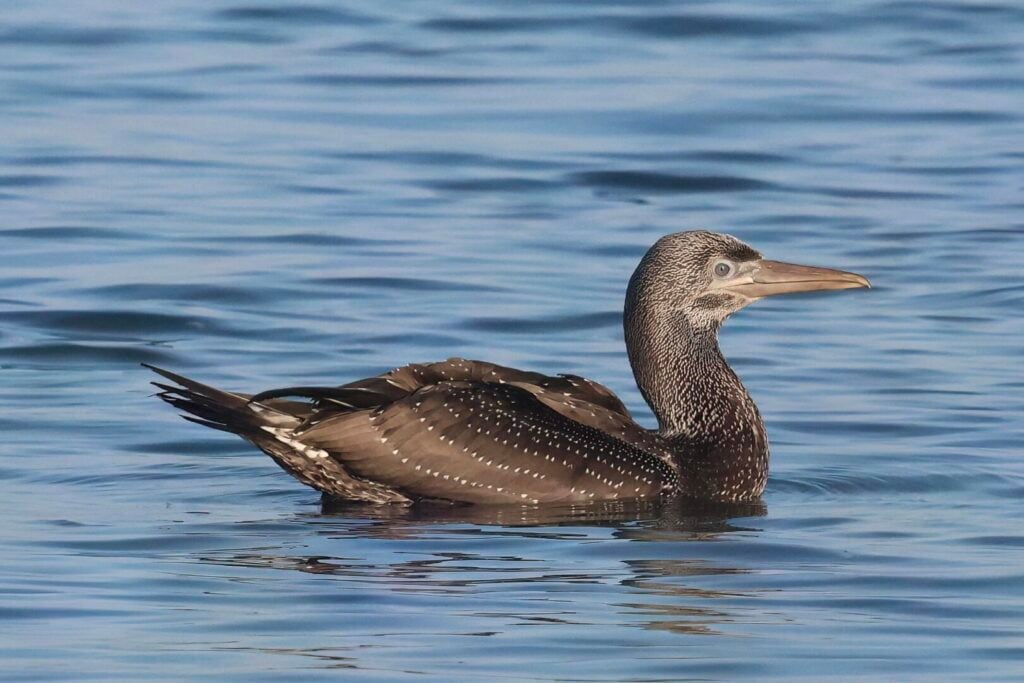
From time to time, one of the Gannets would take off, fly round, fold back its wings and dive straight into the water like a bullet. They were diving just of the beach, at times right in front of us. Great to watch!
There were quite a few Razorbills offshore too. Several were in small groups which all dived together. After a while, some came in quite close and were diving just off the beach. Lovely views of those. It was mostly Razorbills but we eventually found a single Guillemot too, just off to our left and close in too. Obviously there are some large shoals of small fish close inshore again, which means everything is coming in to take advantage.
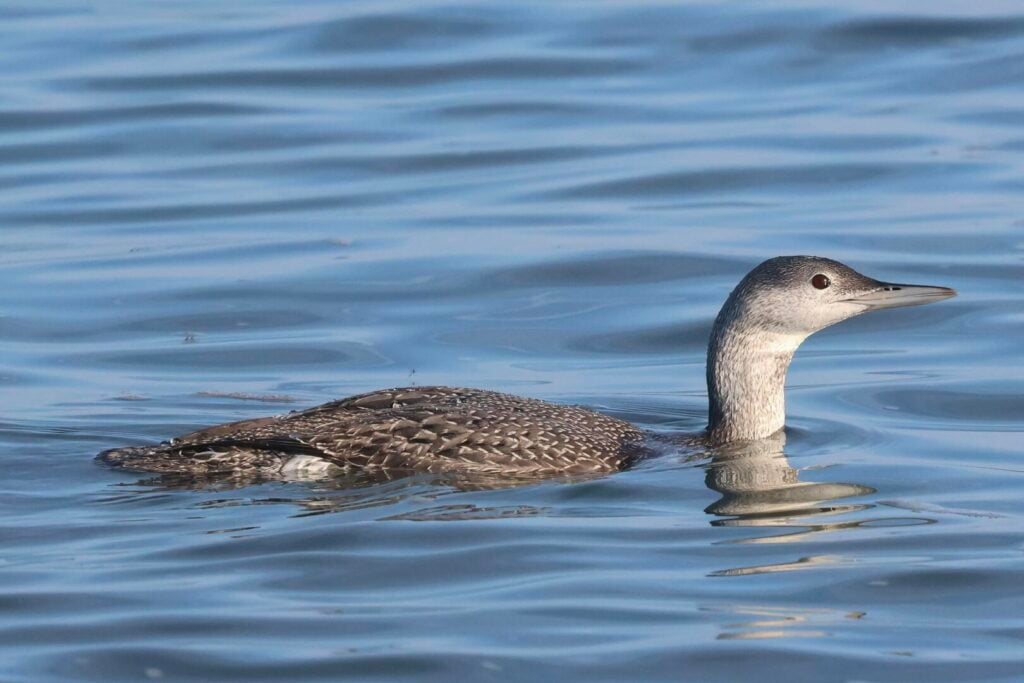
Several Red-throated Divers were diving offshore as well. Most of them are in non-breeding plumage now. One worked its way east just off the beach from Blakeney Point and eventually surfaced right in front of us.
There were some large flocks of Teal and a few Wigeon which flew past over the sea, but they were going east. Normally, when birds are arriving from the continent for the winter, they fly west. So these birds may have just come out of Blakeney harbour. A small group of six Eider flew west, which were almost certainly just arriving. A line of Common Scoter flew west too, further out.
We picked up a small flock of about thirty Fieldfares coming in over the sea off to our left. A little later, while scanning for Golden Plover, we found a single Fieldfare feeding in the Eye Field behind us. A few were obviously arriving today, coming in from Scandinavia for the winter. Two Skylarks came in over the sea too.
A couple of Rock Pipits flew in from the saltmarsh and landed on the crab pots stacked on the start of Blakeney Point. They perched in the sunshine, preening, so we got them in the scopes. We heard a Lapland Bunting call and looked up to see it flying over our heads. Unfortunately, it headed straight into the sun and we lost sight of it. It wasn’t clear if it might have gone down on the shingle somewhere to the east. We thought we would walk down that way to check, but kept getting distracted.
A few Black-headed Gulls had gathered just offshore too. They were feeding on the tiny fish too, picking them off as they came to the surface. A single Common Gull landed with them at one point. Two Mediterranean Gulls flew past. A late Sandwich Tern spent a couple of minutes flying round and dipping down to the sea with one group.
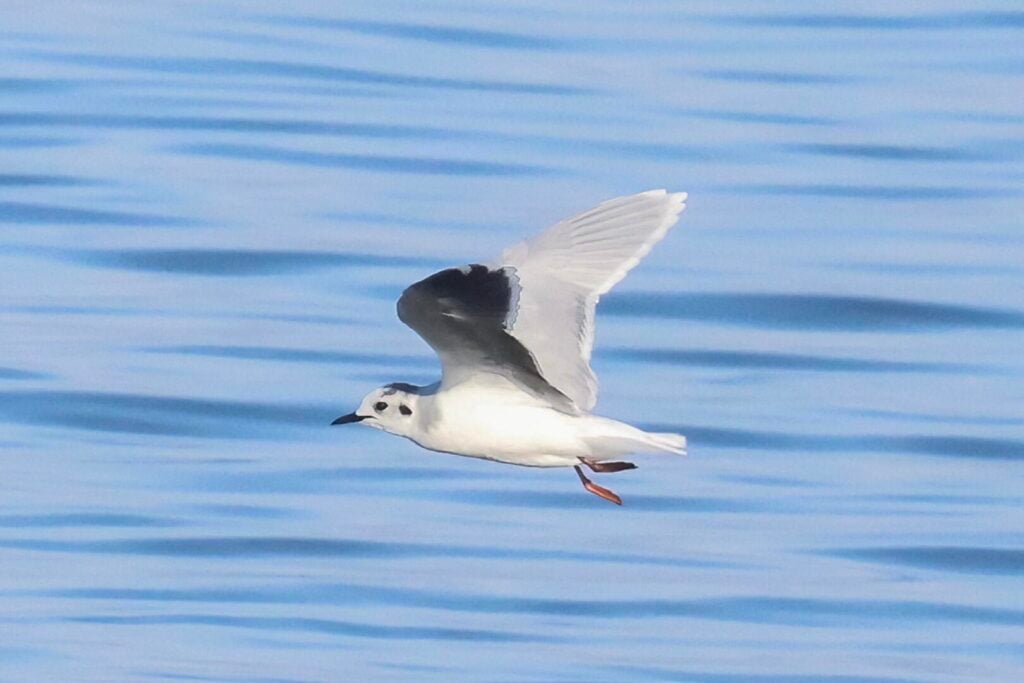
There were a few Little Gulls offshore but they were a long way out at first and hard to see. As we were scanning across at one point, we found a much darker small gull in with them. A juvenile Sabine’s Gull. The upperwing pattern is very distinctive, with dark brown coverts and black outer primaries contrasting with white inner primaries and secondaries. It was distant and hard to see without a scope. We were taking turns, but it was not easy to pick up and then it took time to find again. Only a couple of the group saw it before we lost it completely. Possibly it flew further west.
Then the Little Gulls it had been with flew east, and came closer in. Much better views now. But unfortunately we couldn’t find the Sabine’s Gull with them. A couple of the Little Gulls flew past just off the beach.
While trying to refind the Sabine’s Gull, we picked up a Peregrine flying out over the sea. It was very distant initially, but coming in. A smart, rather pale adult. Eventually it came in over the beach away to our left, over the start of Blakeney Point.
We had only planned to stay for about half an hour watching the sea here but when we checked, it had been two hours now. So many things to see, so many distractions. We finally managed to drag ourselves away and walked east along the shingle. A few Meadow Pipits flew up ahead of us. We stopped to watch a Skylark walking around on the stones. A flock of Starlings was feeding in the vegetation on top of the beach and kept flying up. A flock of Linnets came up too, along with a flock of Goldfinches.
There were more Brent Geese in the Eye Field now. So when we got a bit further along, where we were not looking straight into the sun, we stopped to scan. We quickly picked up a Pale-bellied Brent Goose with the regular Dark-bellied Brents. A nice comparison with the two subspecies side by side. Then further on, we heard White-fronted Geese calling and turned to see a family party of five land in with the Pink-footed Geese. We got them in the scopes and could see the distinctive dark belly bars on the two adults.
Two Red Kites circled high over the beach ahead of us, chasing each other round and round. Ten swans flew past offshore, but we only caught the back end of them. We assumed they would most likely be Whooper Swans, which are moving at the moment. However, someone saw them further east and it turned out they were Mute Swans, all juveniles. Very unusual to see a group moving offshore like that.
We saw some Pintail fly in high, possibly coming in off the sea, and watched them drop down on North Scrape. So we decided to continue on to scan from North Screen. As we walked down the path, a Stonechat was now in the brambles on the shingle.
It was a lovely sunny day and we shouldn’t complain. But it is always difficult looking into the light on North Scrape. There were lots of Teal and Wigeon, and a few Shelduck. We eventually found four Pintail out on the water in the middle.
There was a nice selection of waders out here too. Several Ruff and Redshank, a single Black-tailed Godwit, four or five Ringed Plovers, and a Turnstone. Quite a few Dunlin were scattered round the muddy edges and we managed to pick out a juvenile Curlew Sandpiper feeding between the ducks and Lapwings behind the closest island. A nice bonus – most of the Curlew Sandpipers have already moved on, on their way to West Africa for the winter. It was a better view when the sun went behind a cloud. We could see at least five Golden Plover were in with Lapwings now too.
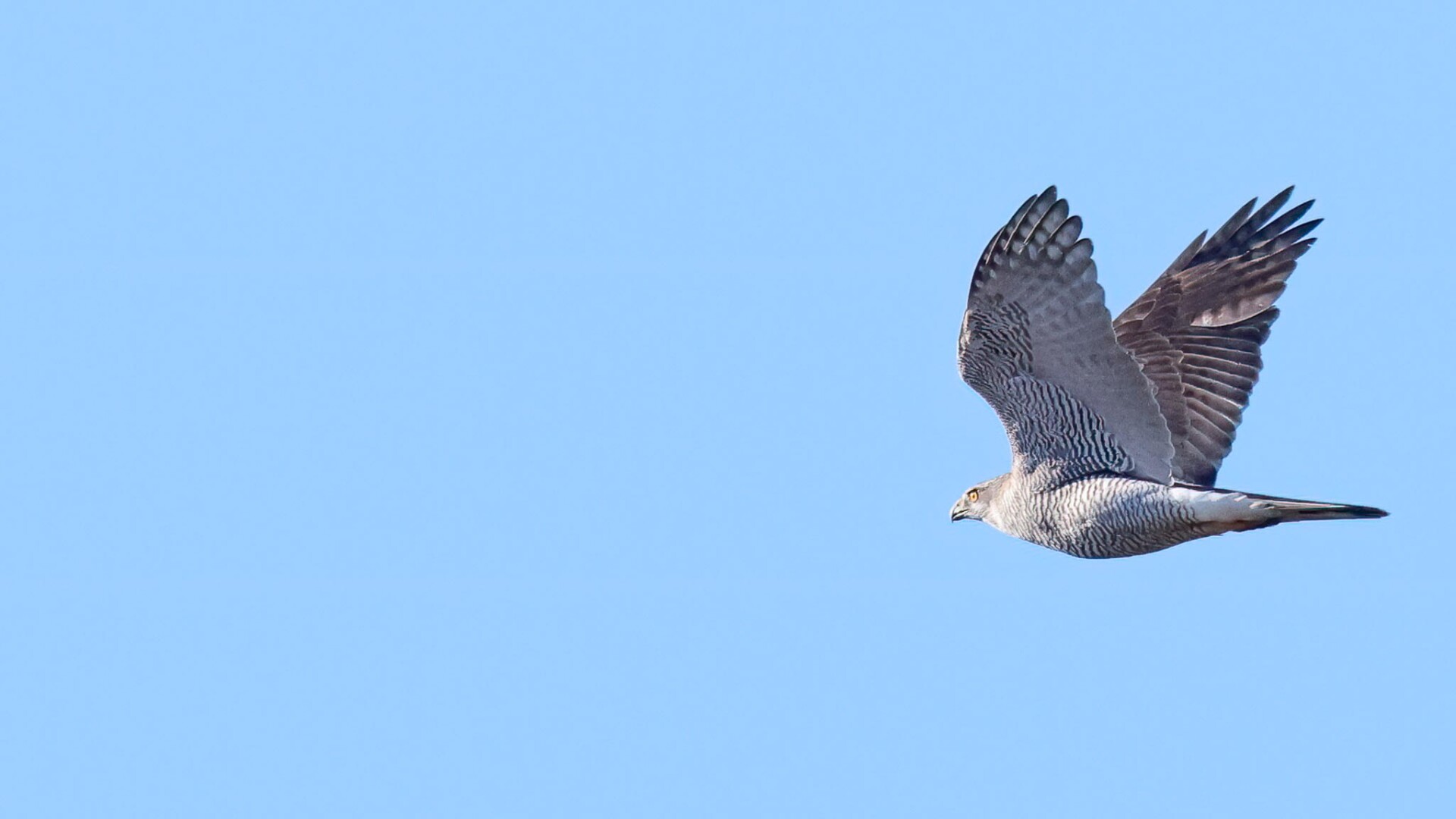
A Common Buzzard circled up high over the middle of the marshes. One of the group spotted a Sparrowhawk low over the reeds off to the east. As we watched, it came across over the bank just in front of the Screen.
We could see several White-fronted Geese now on Billy’s Wash with the Greylags. Then we heard more calling and looked up to see first a flock of nine, followed by another of twelve, as they flew in and circled round. Four more White-fronted Geese flew east towards us behind the beach and carried on right over our heads. It was a good day for White-fronted Geese today. They are here early this winter. There was a big arrival at the start of the week, possibly as birds aiming for the Netherlands were disorientated due to the weather.
As we walked back to the beach car park, we stopped to watch a 1st winter Little Gull just offshore. Another flock of Common Scoter flew past. There were still lots of young Gannets diving offshore.
We drove round to the Visitor Centre and it was time for lunch. It was lovely sitting in the picnic area in the sunshine. It didn’t really feel like the end of October! Three Avocets were out on Pat’s Pool – most of them have left already for the winter. We could also see two Barnacle Geese very distantly on Billy’s Wash. Two Redwing flew over and continued off inland. Still a trickle of migrants coming in.
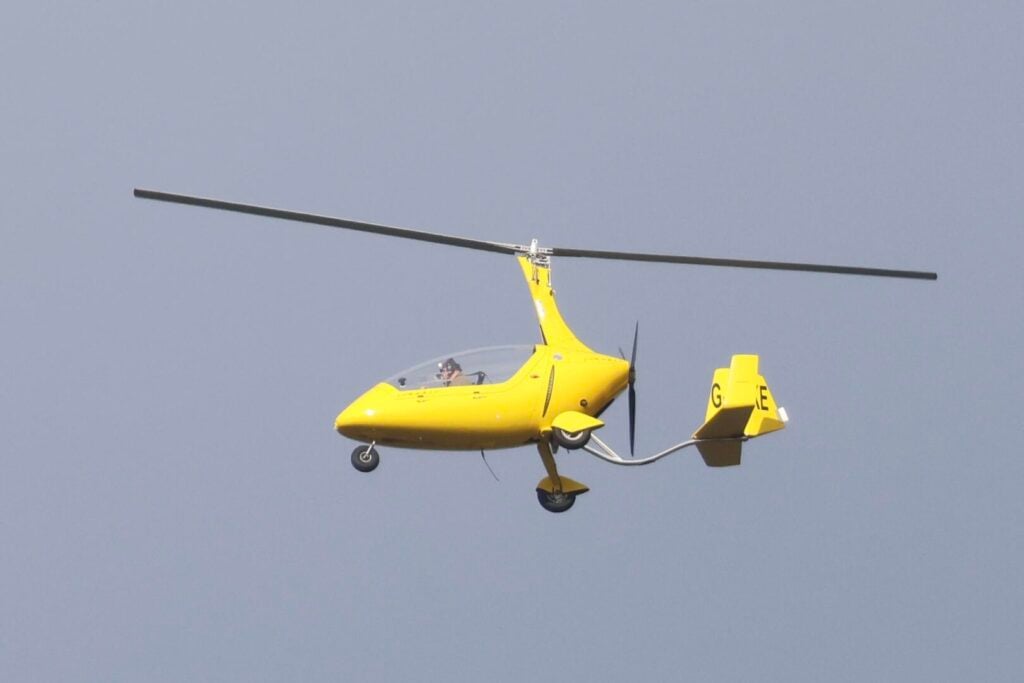
A Gyrocopter flew in over the middle of the reedbed from the east, flushing all the geese and everything else. It was almost certainly above the low flying limit but even without formal restrictions, why it would be allowed to fly over a nature reserve is beyond us. And why on earth would the pilot think this is a bright idea? A lot of the geese flew straight off inland, but a large flock of over thirty White-fronted Geese circled round several times in front of us calling.
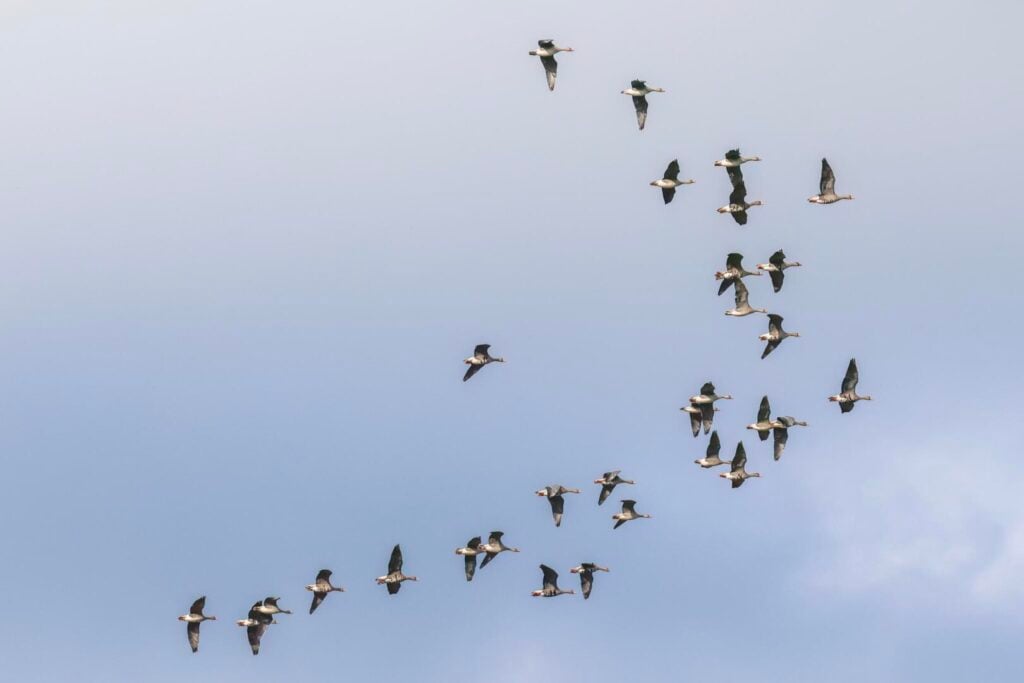
After lunch, we decided to drive round to Blakeney. As we got out of the minibus, we could see huge flocks of thousands of Pink-footed Geese dropping down and landing out on Blakeney Freshes. We could hear them all too – a wonderful cacophony of noise! As we walked in to Friary Hills, a Greenfinch flew out of the hedge and off behind us. Up onto the top, we could see all the geese out on the grass now and around the small pools.
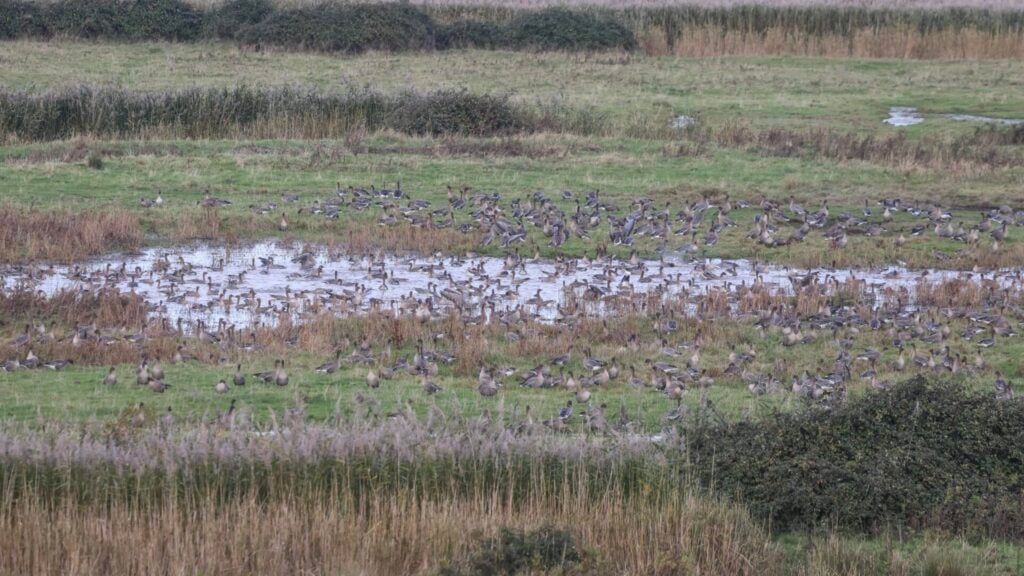
The cows have already been taken off the marshes at Cley but were still out here. Several Cattle Egrets were with them. More kept appearing out of the long grass and ditches, and we reckoned there were at least nine. Small groups kept flying round. A single Grey Heron was on the nearest pool too. We had hoped to find the Glossy Ibis on here too and it didn’t take long to locate them, off to our right, just behind a line of bramble bushes. Thankfully, three came out into the open, nice views in the scopes.
One of the group jokingly set a challenge to find a Tundra Bean Goose in the huge flocks of Pinkfeet. Ever willing to oblige, we started looking through and very quickly found two. Thankfully they were some of the closest birds in the nearest group of geese, or it might have been more challenging. Through the scopes, we could see their dayglo orange legs and heavier bill with an orange band. There was a bit of argy bargy with the Pinkfeet next to them. We could see a couple of White-fronted Geese with the Pinkfeet too. A pair of Egyptian Geese were on their own in a different field.
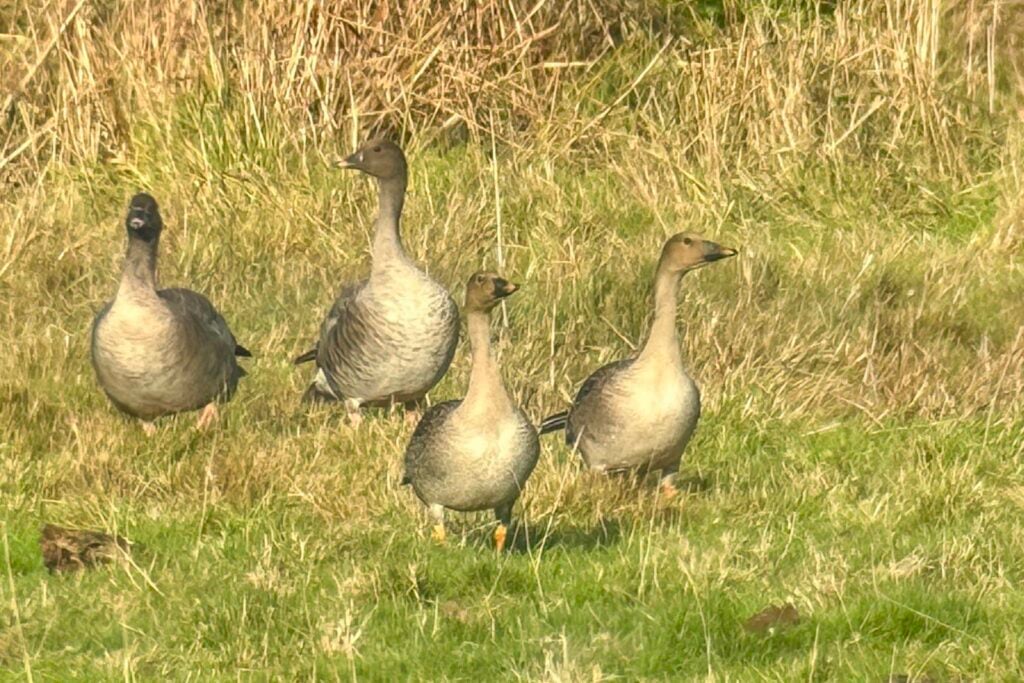
We walked a little further round and had another scan. More Pinkfeet were in the next field over but we couldn’t see anything obviously different with them. We were hoping to get closer views of the Glossy Ibis but they seemed to have disappeared into one of the ditches, out of view now.
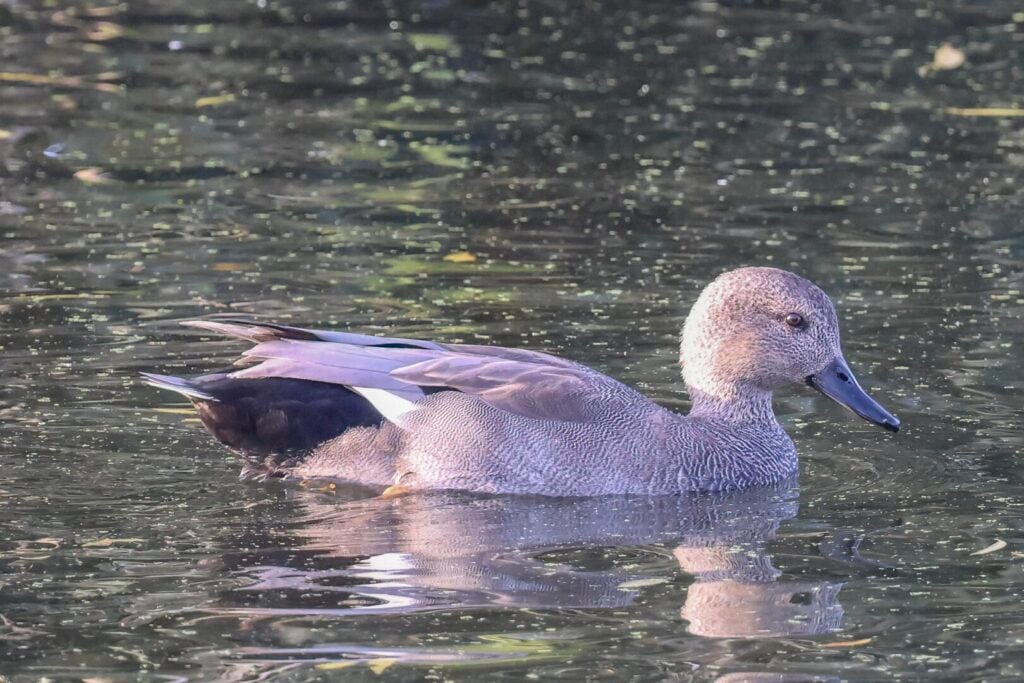
Back down to the main track, a flock of Long-tailed Tits was in the trees. A few Blue Tits too but we couldn’t find anything else with them either. We continued back out of Friary Hills and walked on down to the harbour. Several Moorhens and some nice Gadwall were on the old duck pond. We stopped for a closer look, of course! A Lesser Black-backed Gull was in its usual spot in the harbour channel.
As we walked out on the harbour wall, there were a few Redshanks out on the saltmarsh. A flock of Linnets flew round and landed on the edge of the channel. We could see them feeding on the top of the vegetation in the scopes. Two Stonechats were out there too, the female perched on a line of Suaeda bushes, the male high up on the very top of a mast nearby. Several Meadow Pipits and Reed Buntings flew back and forth, and a few Skylarks came up out of the grass and flew out over the harbour.
The Pink-footed Geese all lifted from the Freshes, an amazing sight. Some landed again but others started to drift off inland to feed in big skeins. We managed to pick out a couple more White-fronted Geese in with them from here. The four Glossy Ibis flew up and circled round further back but landed out of view. A Marsh Harrier flew over the path ahead of us.
We continued on up to the corner and stopped to scan the harbour. There were probably a thousand Golden Plover gathered out on the mud. Further on, we found Oystercatchers, Redshanks, Black-tailed Godwits, Curlews, lots of Dunlin, several Grey Plovers and a single Knot.
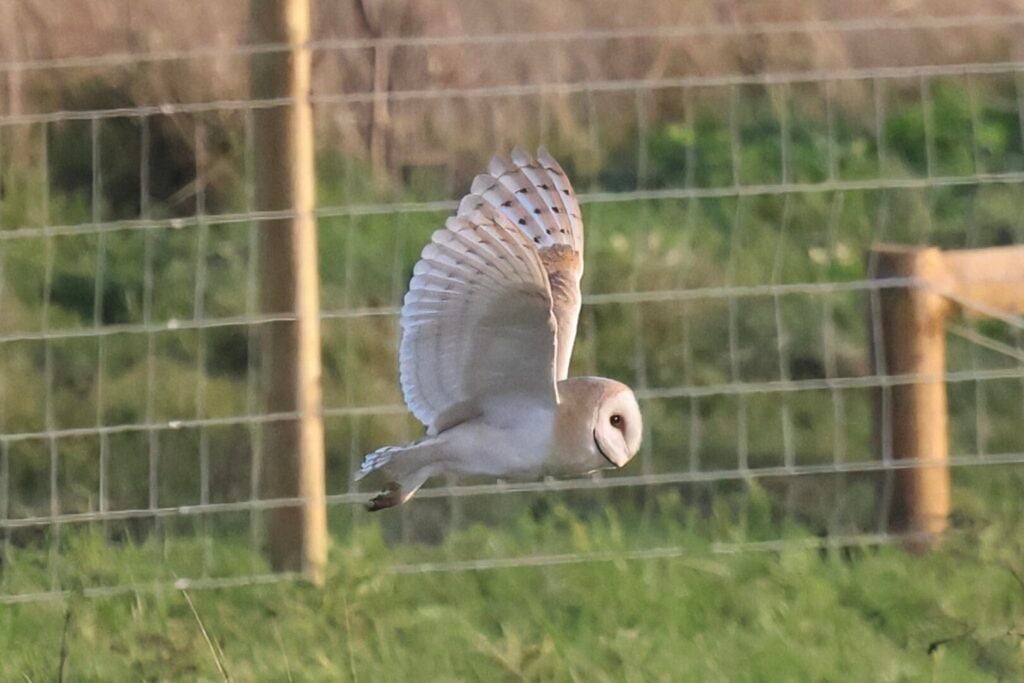
A Barn Owl appeared over the grazing marshes from the direction of the village. We watched it do several circuits of the field behind us. It dropped down at one point in the tall grass but came up empty talonned. Then it worked its way back towards Friary Hills. A single Redwing flew over – still one or two birds arriving. A couple of the group heard a Water Rail.
A falcon flew in low over the saltmarsh, flushing all the Starlings. We hoped momentarily for a Merlin but it was a male Kestrel. It flew up and landed on the Suaeda, nice in the scopes. The waders in the harbour were very jumpy. All the Golden Plover took off over the harbour in a huge flock, an impressive sight. A Marsh Harrier was hunting along Blakeney Point. Then all the Dunlin started to whirl round in front of us and we noticed a juvenile Peregrine flying across behind. It dropped low over the mud and had a go at a group of Oystercatchers but clearly lacked experience.
It gets dark much earlier this time of year. The sun was sinking towards the horizon now and we could feel the temperature dropping rapidly. It was time to walk back. We cut across the marshes on the path which goes through the middle. Lots of Cetti’s Warblers were shouting at each other from the reeds and bushes.
By the time we got back to Hindolveston, it was already starting to get dark. Plenty of time for tea and cake, now the clocks have gone back! More time for birding tomorrow.